
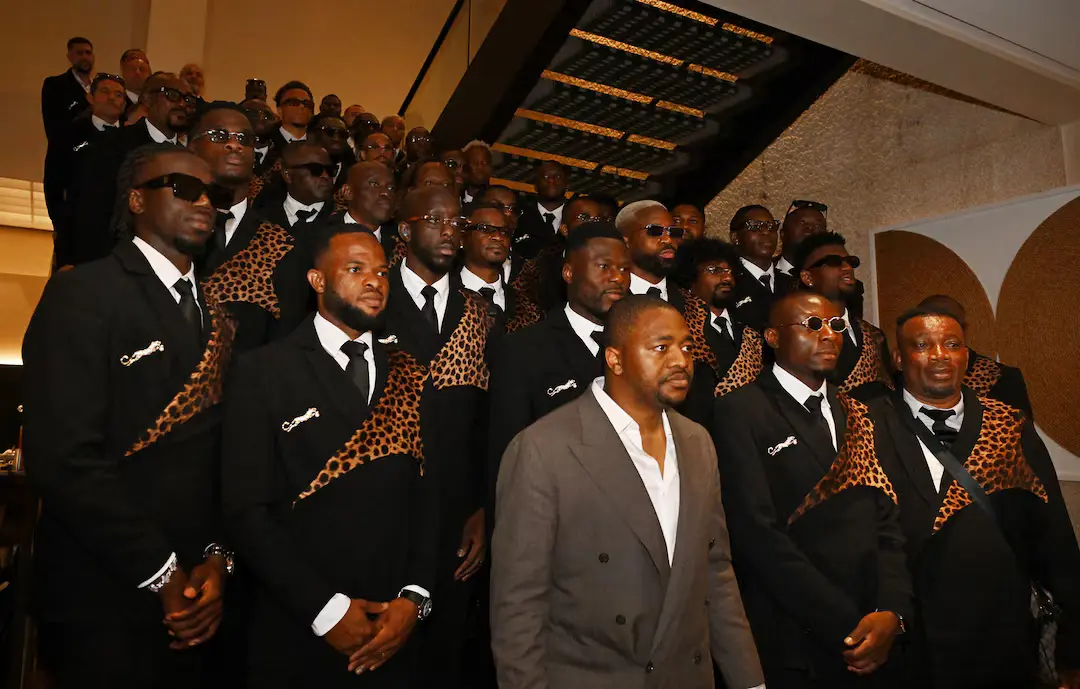
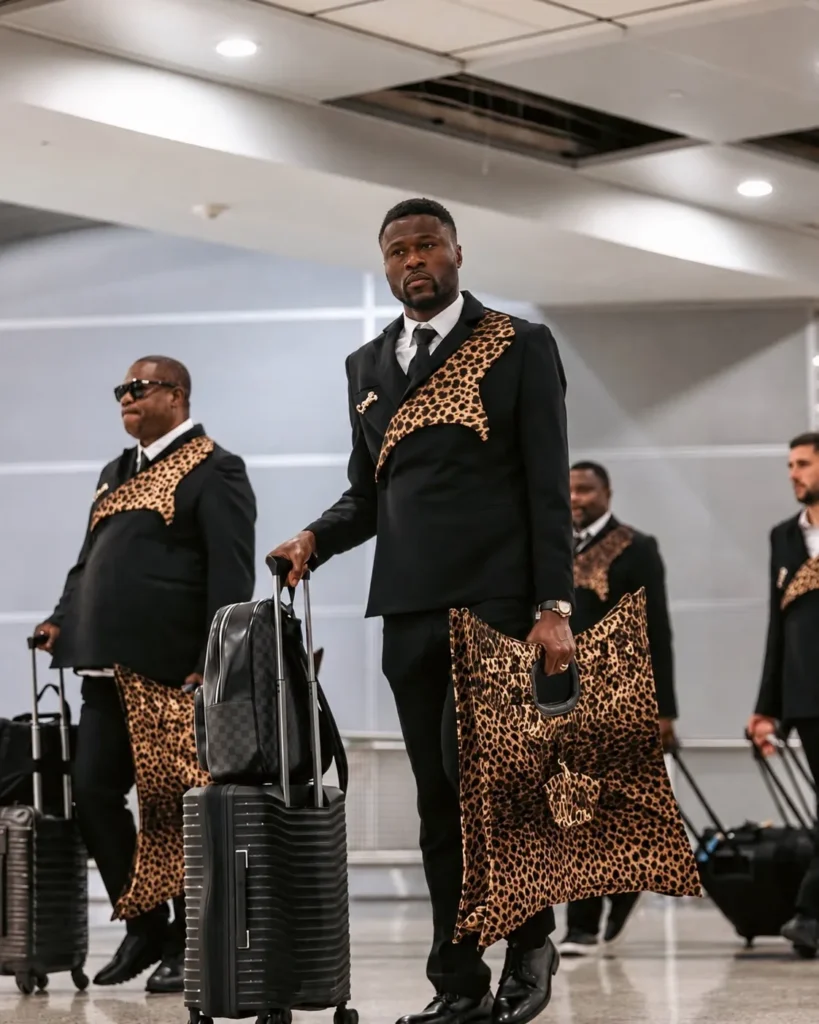
The DR Congo 2026 World Cup arrival at Houston’s George Bush airport was a historic cultural milestone. Returning after a 52-year wait, the squad bypassed athletic tracksuits for custom leopard-print tuxedos, bringing the iconic philosophy of La Sape to the global stage.
The metal stairs rolled up to the giant airplane door in Texas. The summer heat was rising from the concrete airfield. People inside the airport terminal crowded against the giant glass windows, waiting to catch a glimpse of the team. Most football teams arrive at a major tournament looking identical. They wear simple, corporate athletic tracksuits made by global sports brands. They wear generic white sneakers and oversized headphones. They walk quickly, looking down at their phones, eager to get to their luxury hotel.
But the plane door swung open, and something completely magical happened.
The players did not walk out in standard sportswear. They stepped into the bright afternoon sun looking like icons walking onto a fashion runway. They wore crisp, perfectly tailored midnight-blue tuxedo suits. Draped across their shoulders were beautiful, silk sashes covered in bold leopard print. The fabric caught the bright Texas light as they walked down the stairs with slow, deliberate grace. They held their heads incredibly high. They smiled broadly at the flashing cameras.
This entrance instantly shattered the internet. It was not a basic marketing gimmick or a pre-planned publicity stunt. The DR Congo 2026 World Cup arrival was a profound, deeply emotional statement of cultural identity. It was a loud message to the global community: after decades in the shadows, the Democratic Republic of Congo had returned. They were not here to be treated as a casual footnote. They were here to be seen, to be respected, and to show the world the true beauty of their people.
More Than an Entrance: The Runway of La Sape
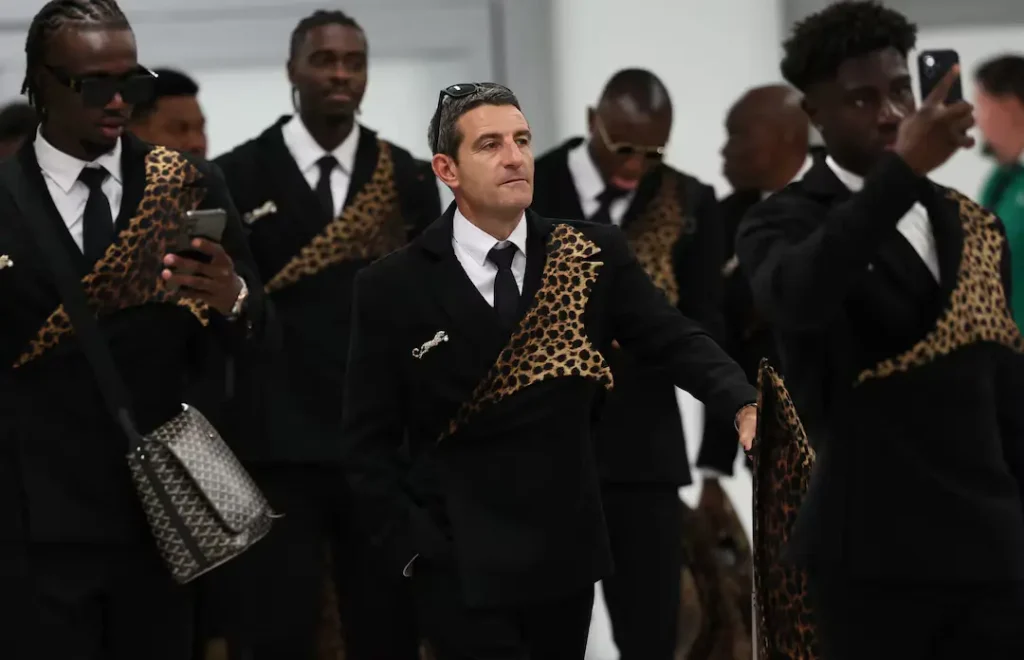
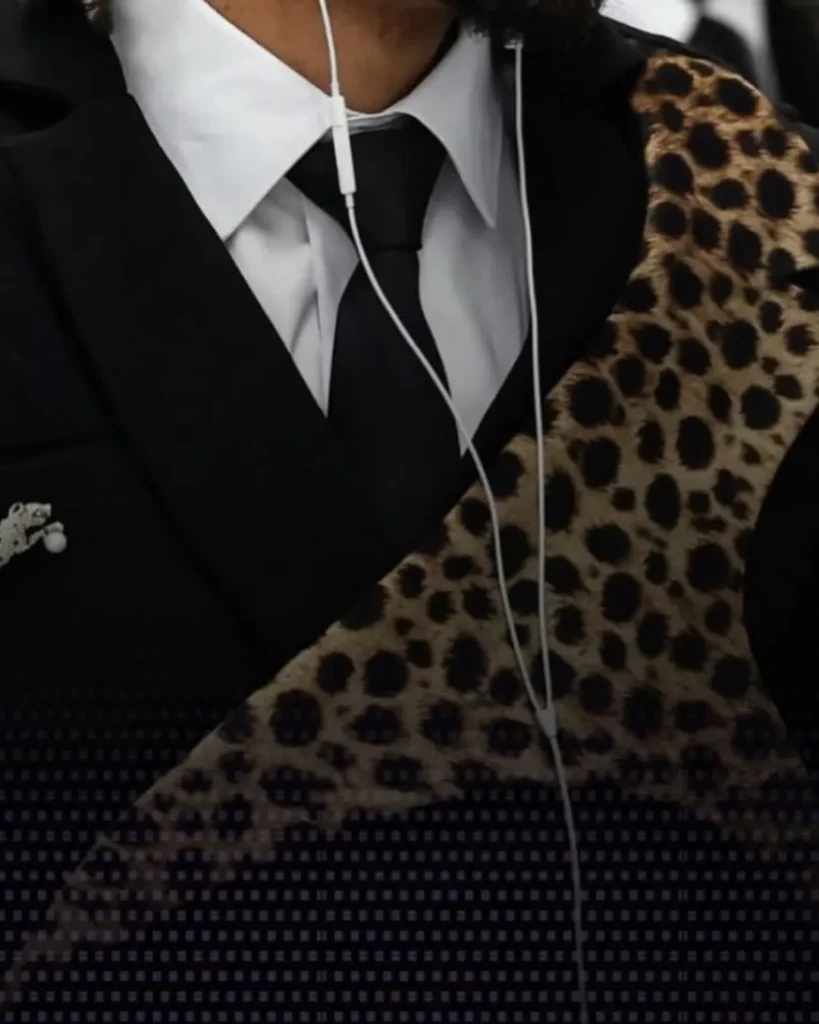
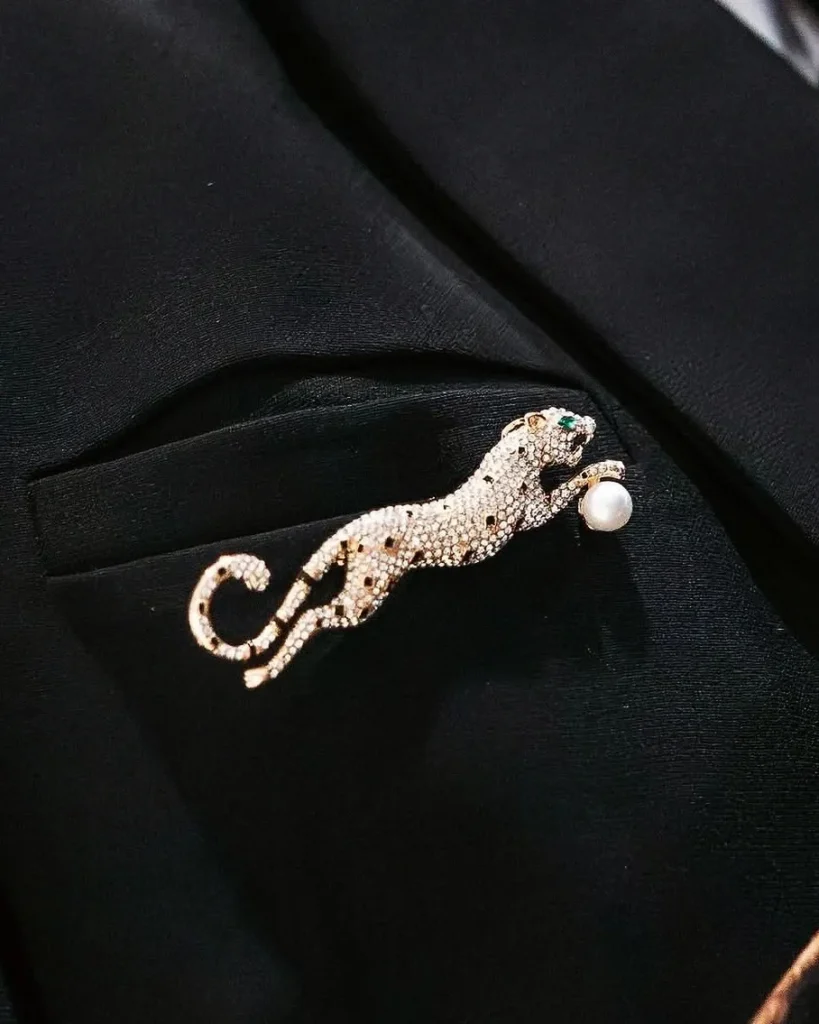
To understand the beauty of that morning in Houston, you must understand the rich culture the team carried on their backs. The players were dressed by a brilliant, France-based Congolese designer named Alvin Junior Mak. He spent months hand-crafting each individual garment. Every single seam was measured to perfection. Every stitch was placed with love. The central feature of the outfit was the Alvin Junior Mak leopard suit concept, a design that blended modern European luxury with ancient African symbols.
Congolese fashion. The movement was born decades ago in the crowded, lively neighborhoods of Kinshasa and Brazzaville. The words stand for the Société des Ambianceurs et des Personnes Élégantes (The Society of Ambiance-Makers and Elegant People). The followers of this philosophy are known as Sapeurs.
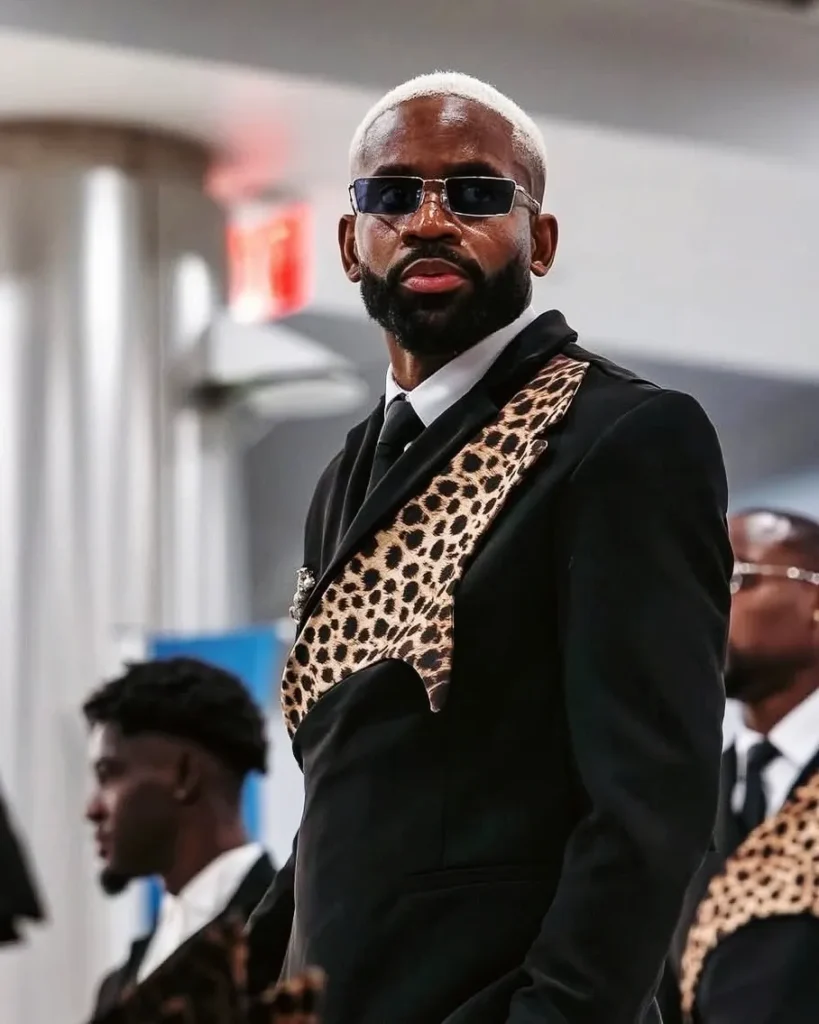
Historically, during colonial times, Congolese men were forced to wear secondary, basic clothing. In a brilliant act of cultural defiance, they took the high-fashion suits of Europe, injected them with bright, explosive colors, and turned dressing up into a form of resistance. A Sapeur treats clothing as a sacred art form. It is a philosophy based on absolute pride, immaculate hygiene, and flawless manners. By wearing these suits to the tournament, the team brought a living street philosophy directly to the global stage.
The leopard print was chosen for a very specific reason. The leopard is the national symbol of the country, representing the ultimate spirit of the wilderness. As the designer Alvin Junior Mak explained beautifully in an interview after the team landed: “The leopard print is not a gimmick for the cameras. It is a symbol of raw strength and resilience. We have suffered through decades of global misconceptions. We wore these suits to permanently alter how the world looks at African culture. We are not just a country of crises. We are a nation of unmatched elegance, dignity, and deep artistic soul.”
Defying the Shadows: Ebola, Isolation, and the 52-Year Wait
The bright smiles on the faces of the players at the airport were beautiful, but they were also a triumph over immense suffering. The story of this team is rooted in absolute survival. To find the last time this nation stood on this stage, you have to dig deep into the pages of the
Democratic Republic of Congo football history.
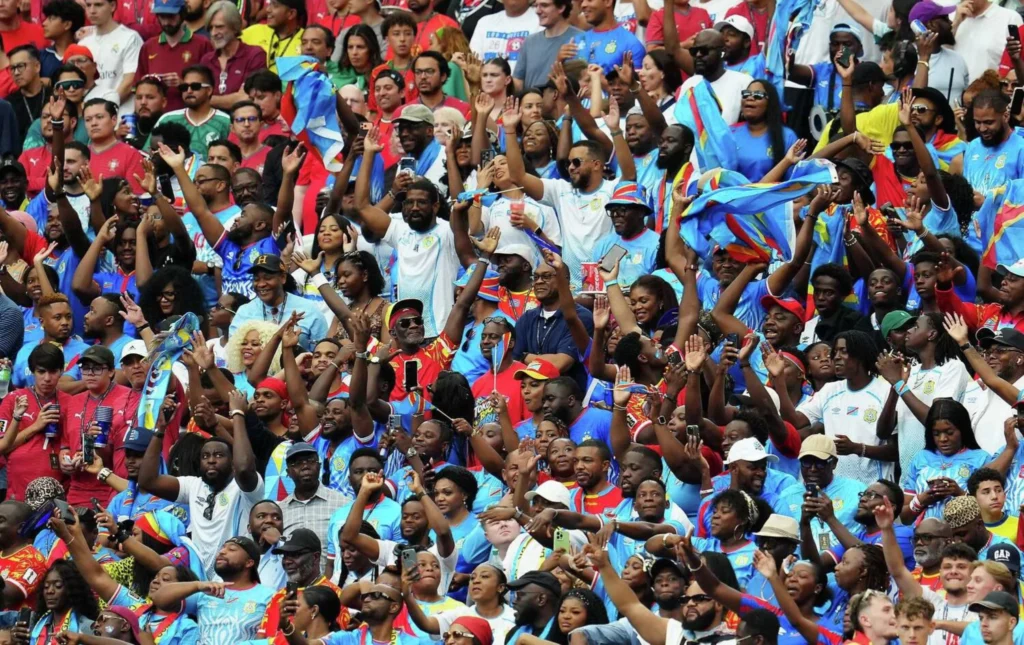
The year was 1974. The country competed under the name Zaire in West Germany. That tournament became famous for all the wrong reasons. The players were caught in the middle of political turmoil, treated harshly by a cruel dictatorship at home, and suffered heavy losses on the pitch. Following that painful summer, a dark curtain of sporting isolation fell over the nation.
For fifty-two long years, generations of Congolese fans lived with the ghost of 1974. They watched the tournament on television, watching other African countries celebrate while their own heroes fell short in the grueling qualification rounds. The road to the 2026 tournament was blocked by hurdles that wealthy football nations could never fully comprehend.
Just months before the final qualifying matches, a sudden, devastating Ebola outbreak hit the western provinces of the country. Travel was restricted, training camps were canceled, and the local leagues were shut down to protect public health. The players could not gather at home. Instead, they had to isolate themselves in a strict, high-security 21-day health bubble in a quiet town in Belgium.
They were cut off from their families, subjected to daily medical tests, and trapped in an intense state of constant anxiety. They could not hear the cheers of their fans. They could only read the worrying news updates from home on their computer screens.
That is why DR Congo World Cup arrival matters so deeply to the people of Kinshasa. The suits they wore were not just fashion items; they were a shield against adversity. The clean, wrinkle-free fabric was a symbol that the nation could not be broken by disease, isolation, or poverty. When they walked out of that airport terminal, they were carrying the survival story of a whole country. They proved that no matter how long the night lasts, the morning will always arrive if you keep your head held high.
From Fashion to Fact: The Historic 1-1 Draw with Portugal
The global football media loved the fashion statement, but many sports critics remained deeply skeptical. They argued that a team cannot win matches with beautiful clothing. They predicted that the Congolese players would be exposed the moment they stepped onto the actual grass. Their opening match was against Portugal, a superpower of international football, filled with elite athletes who play for the wealthiest clubs in Europe.
The match took place under the blinding stadium lights of Texas. The Portuguese team moved the ball with rapid, machine-like precision. They took an early lead in the first half, and the critics prepared to write a familiar story about an African team falling short on the big stage.
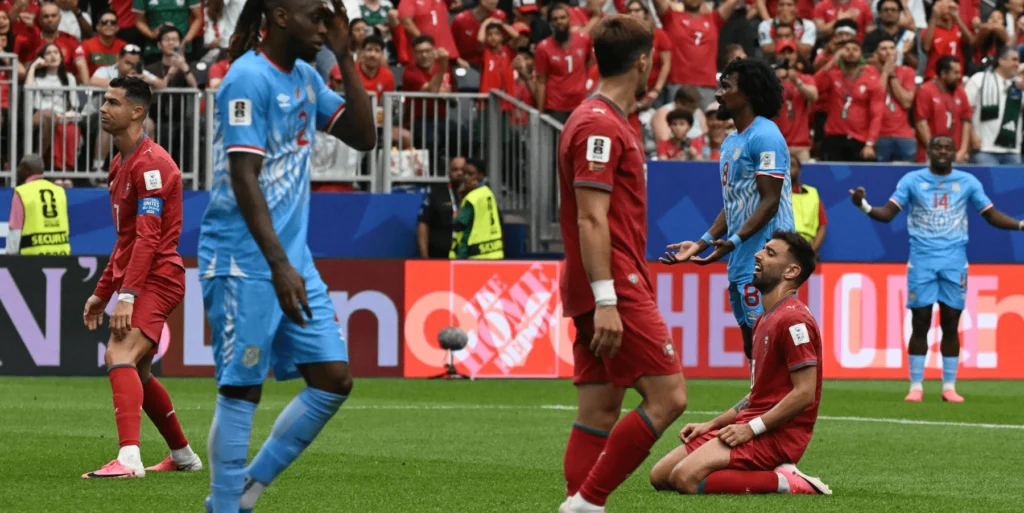
But the Leopards did not panic. They adjusted their lines, dug their cleats into the soil, and fought back with incredible intensity.
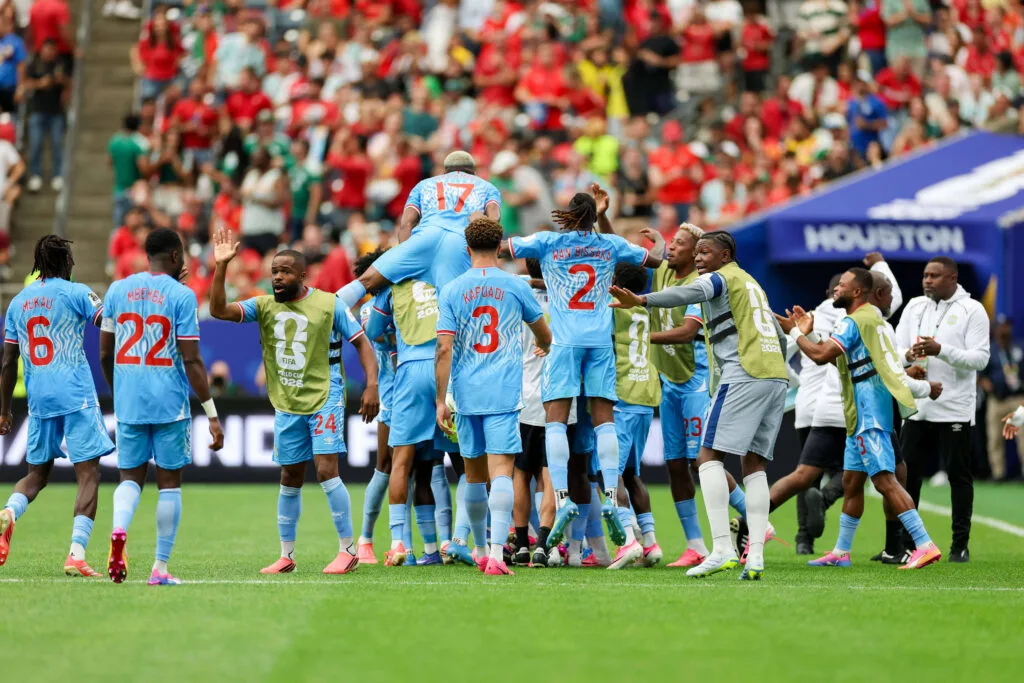
The historic moment arrived in the 74th minute. After a swift, passing sequence down the left wing, a Congolese forward was brought down inside the penalty area. The referee pointed straight to the spot. Yoane Wissa stepped up to take the kick. The entire stadium fell into absolute silence. Back home in Kinshasa, millions of people held their breath in front of their television sets. Wissa took a short run, remained perfectly calm, and slotted the ball cleanly into the bottom right corner of the net.
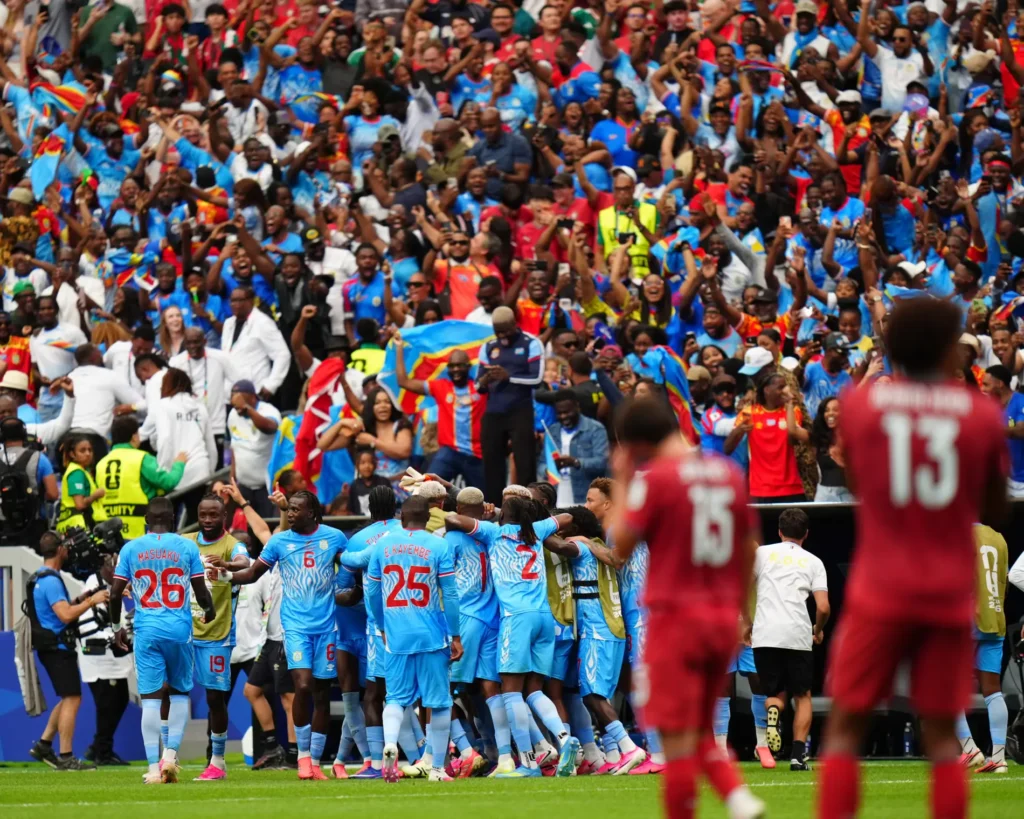
The net rippled, and the stadium exploded into absolute chaos. The players did not do a standard celebration. Instead, they lined up in front of the fans and performed a synchronized, elegant Sapeur pose, smoothing down their invisible lapels.
The final whistle confirmed the monumental DR Congo vs Portugal 1-1 draw. This result secured the DR Congo first World Cup point 2026 milestone. It was a massive, historic shockwave that traveled across the footballing world. It validated everything they had done. They proved that their elegance was not confined to the airport runway. They proved they could look a global giant in the eye, take their best punch, and strike right back. They earned their point with blood, sweat, and absolute tactical intelligence.
Lumumba Vea: The Stillness of Congolese Pride
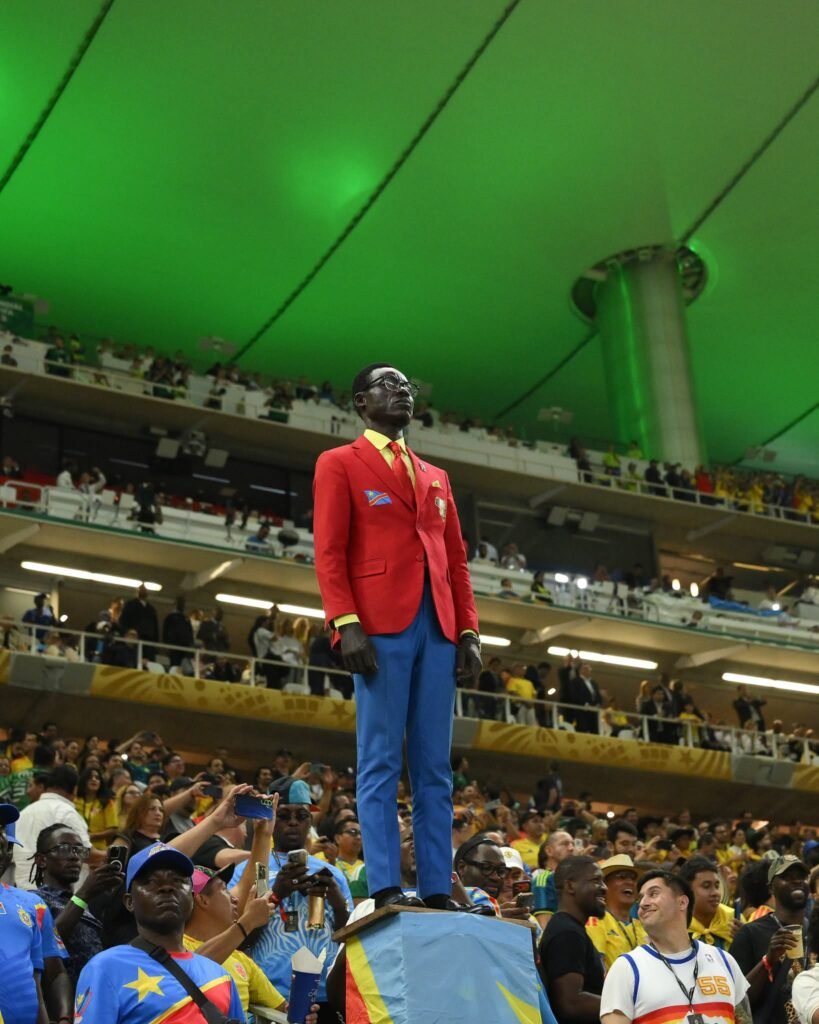
While the players celebrated on the grass, a single image in the stands captured the true, historic soul of the nation. It was the image of a legendary Congolese superfan named Michel Kuka Mboladinga, known across the football community by his honorary title, Lumumba Vea.
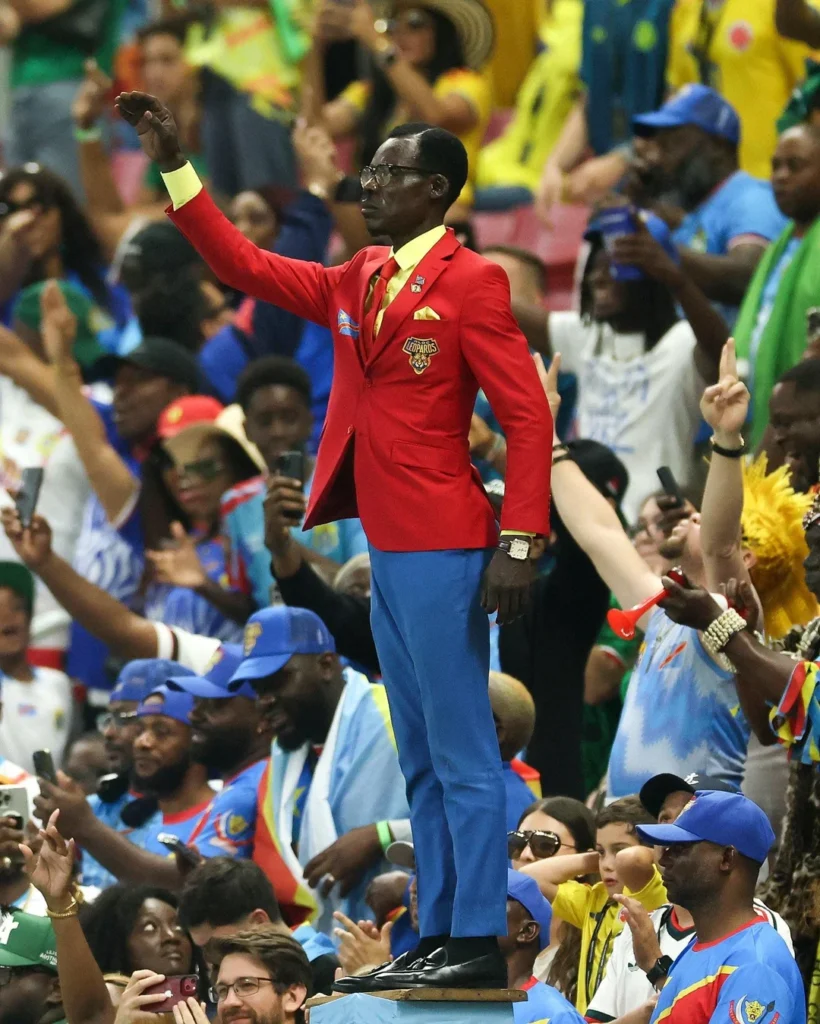
Michel did not dress in a standard fan jersey. He wore a vintage, immaculate cream suit from the 1960s, paired with thick, black-rimmed glasses. During the chaotic celebration of the equalizing goal, while thousands of people around him were jumping, dancing, and screaming, Michel did something extraordinary.
He stood completely, perfectly still.
He raised his right arm high into the air, clenching his fist with quiet intensity. He stood frozen like a living statue for several minutes, directly mimicking the famous bronze statue of independence hero Patrice Lumumba that stands in the heart of Kinshasa.
“We do not jump like children when we win. We stand still like monuments, so the world can see our history.”
That singular image went viral across global media platforms. It encapsulated the deep dignity, complex history, and unyielding spirit of the Congolese people. Michel was not just celebrating a football goal. He was honoring the memory of the freedom fighters who gave their lives so that the country could exist. He was reminding the world that the team on the pitch was playing for something much larger than a simple sports trophy. They were playing for the memory of their ancestors.
The journey of the Leopards is a beautiful reminder of why international football matters. It is a sport that allows a nation to tell its own story on its own terms. The physical tournament will eventually come to a close, and the players will return home to their families. But the memories they created this summer are permanent. The beautiful suits, the brilliant goal against Portugal, and the proud image of Lumumba Vea are now woven forever into the history of the country. The 52-year wait is officially over. The Leopards have returned to the light, and they will never let the shadows wrap around them again.