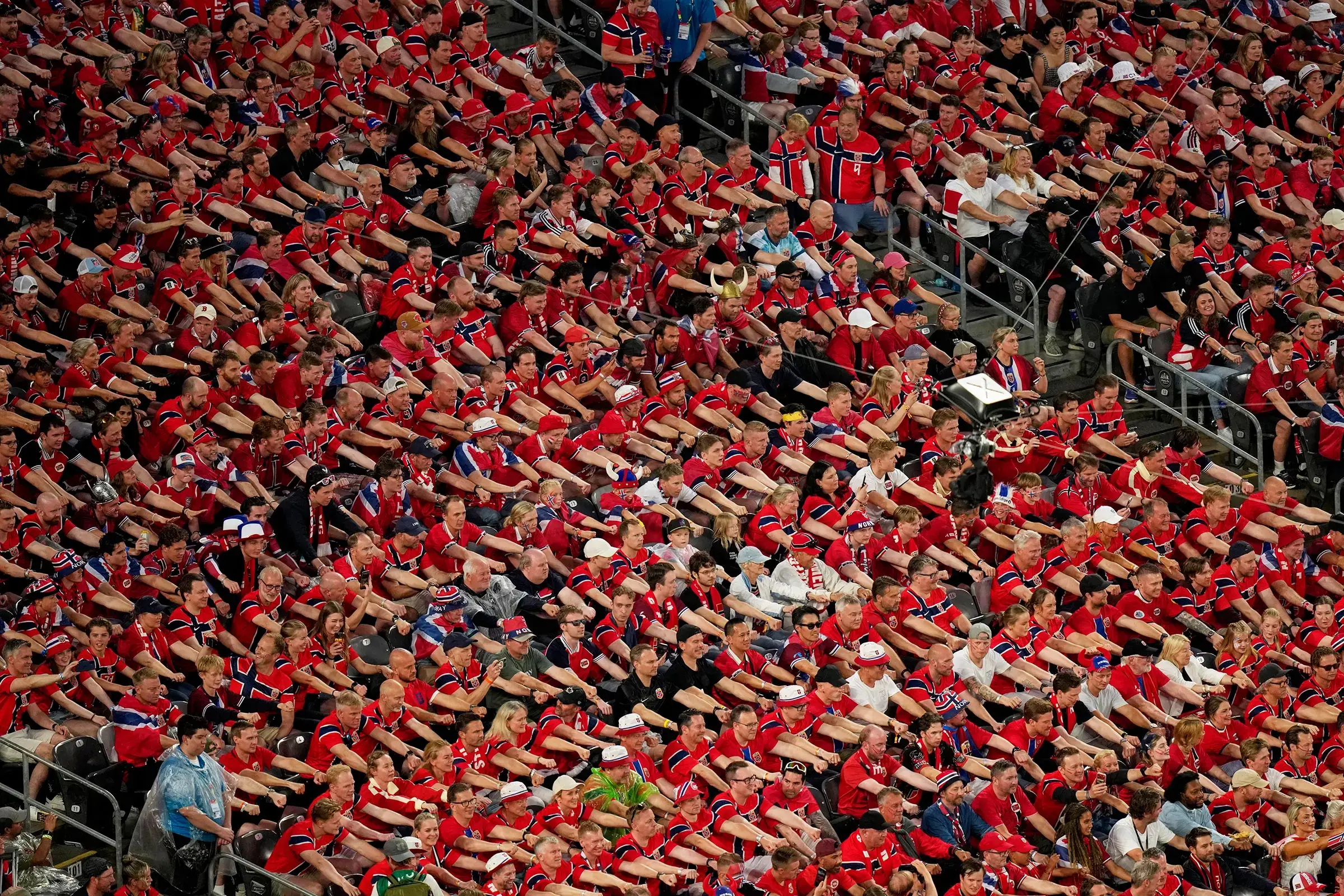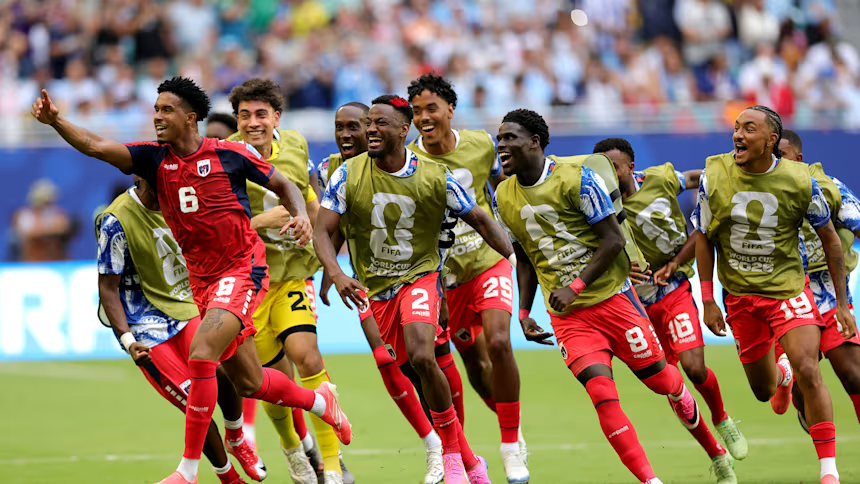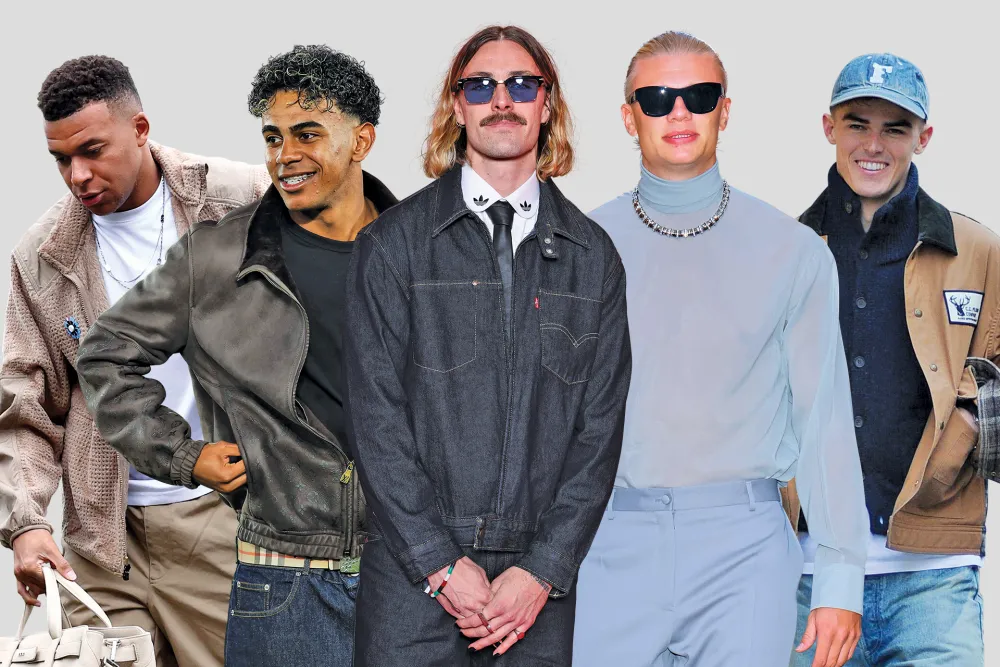
The 2026 World Cup officially cemented football as the epicenter of global style. Merging terrace heritage with high-fashion tunnel walks, de-gendered luxury accessories, and streetwear-inspired pre-match kits, the tournament offered something for die-hard fans, fashion lovers, and newcomers alike. So, The big question, is this the most fashionable world cup ever? Yes, I think so.
From DR Congo’s La Sape to Virgil Abloh’s USMNT Legacy
For years, the “tunnel walk”, the moment players step off the team bus and walk into the stadium, was an American sports phenomenon. In 2026, the World Cup hijacked that spectacle, turning stadium concrete into a global runway. Player arrivals are now the ultimate soft launch for pop-culture fashion, offering an accessible entry point for anyone discovering the game.
The Democratic Republic of Congo set the gold standard. If you were wondering who designed the DR Congo World Cup suits, the brilliant Alvin Junior Mak created spectacular leopard-print tailoring that paid flawless homage to La Sape, a vibrant Central African subculture fiercely dedicated to high-end, elegant dressing.
The Ivory Coast followed suit with custom tie-dye jackets, proving that localized culture is the ultimate flex. Meanwhile, Willy Chavarria brilliantly merged traditional football heritage with his signature Chicano streetwear aesthetic for Mexico. But the host nation delivered the heaviest cultural weight: the USMNT arrived in unreleased pieces from the Virgil Abloh archive, honoring the late designer’s massive legacy and proving that the tunnel walk now commands as much attention as the opening kickoff.
World Cup Anthem Jackets Became Summer Outerwear Staples
Right before the whistle blows, the entire stadium pauses for the national anthems. It’s a moment of immense sporting tension, but in 2026, it also became a masterclass in outerwear.
These highly televised minutes triggered a massive worldwide spike in windbreaker and track jacket sales. The Netherlands stepped onto the grass in sharp, structured presentation jackets that looked entirely ready for Paris Fashion Week. However, it was Tunisia that truly captured the casual style seekers, utilizing oversized Kappa jackets to create one of the freshest, most wearable everyday streetwear pieces of the summer. It proved that you don’t need to step on a pitch to pull off world-class 2026 World Cup streetwear & kit culture.
Pre-Match Streetwear: Where Palace, Jacquemus & Drake’s NOCTA Took Over the Grass
Why did warm-up gear suddenly become the core canvas for street culture? Because pre-match shirts aren’t restricted by the strict, rigid FIFA badge and sponsor regulations that govern official match kits. Brands realized this was the perfect loophole to go wild.
For sneakerheads and new fans asking where to buy World Cup pre-match jerseys, the drops were relentless. England tapped directly into London skate culture with Palace. Canada delivered sleek, highly technical sportswear via Drake’s NOCTA label. France brought pure, stripped-back Parisian elegance to their warm-ups thanks to Jacquemus. Meanwhile, Salehe Bembury dropped his unmistakable, fingerprint-like topographic motifs on Puma’s goalkeeper shirts. These collaborations proved that the modern Blokecore style guide 2026 is being written by the world’s most vital contemporary designers.
World Cup match pennants, A timeless pre-match ritual that deserves all the hype.
While the tunnel walk commands the fashion blogs, there is an on-pitch tradition that remains just as culturally significant. Exchanged by captains right before kick-off, World Cup match pennants are low-key one of the best football Easter eggs of the tournament.
These tiny, meticulously embroidered banners serve as a beautiful symbol of respect between nations, but for the aesthetic purist, they are serious, elite-tier clubhouse accessories. In a tournament dominated by massive commercial branding, the bespoke craftsmanship of a matchday pennant offers a quiet, timeless nod to the romantic, historic roots of the beautiful game.
Blokecore has officially taken over the 2026 World Cup, erasing the line between the pitch and the pavement.
If you needed definitive proof that football jerseys are no longer just athletic gear, 2026 provided it. These kits have evolved into high-end streetwear canvases, and designers have completely thrown out the boring, repetitive templates in favor of the ultimate summer runway.
Curaçao’s stunning away kit channeled the vibrant architecture of Willemstad’s Punda and Otrobanda districts, utilizing a pastel yellow base slashed with bold pink, turquoise, and orange. Meanwhile, Brazil shocked the globe by stepping away from their traditional change strips to debut a Royal Blue, poison dart frog-inspired away kit featuring the iconic Jordan Jumpman logo and subtle elephant print. For pure high-art execution, Belgium honored surrealist master René Magritte with a light blue and pink jersey, brilliantly hiding the phrase “Ceci n’est pas un maillot” (“This is not a jersey”) inside the collar.
The ’50-Yard Read’ & The Last Boot Romantic: Michael Olise
If you are a casual viewer, you probably asked yourself: “Why do footballers wear pink boots?” The answer is a brilliant piece of visual science known as the “50-yard read.”
Nike, Adidas, and Puma specifically designed boots in hyper-vibrant magenta and hot pink so they would pop on television cameras from half a football field away, instantly catching the eyes of billions of viewers. It is a highly calculated, commercial strategy.
Contrast that massive commercial machine with France’s Michael Olise. For football purists, Olise is the game’s “last boot romantic.” Instead of signing a lucrative modern boot deal, the unsponsored winger sources discontinued 2017 Nike Hypervenom Phantom IIIs. He then hires independent artists to hand-paint them to perfectly match his kit. In a tournament dominated by neon uniformity, the Michael Olise hand painted Nike Hypervenom boots stood out as the ultimate act of individual, artisanal expression.
De-Gendered Luxury: Why Football Stars Showed Up with Dior, Chanel, and Hermès
While spectacular goals are the heartbeat of a World Cup, the emergence of a heavy luxury handbag rotation signaled a massive shift in how athletes engage with high fashion.
Male football stars are actively dismantling traditional gender norms by proudly carrying high-end luxury bags. Fans watched Kylian Mbappé casually tote a heavily structured Dior Book Tote, while Marcus Thuram arrived clutching a stunning green Chanel x Pharrell suede bag. Erling Haaland, watching as a spectator, showcased an ever-growing Hermès collection. By integrating these pieces seamlessly into their travel gear, players are making designer brands at the World Cup deeply relatable to a massive, sports-obsessed audience.
Ice on the Sidelines: Custom Chains, Icebox, and Off-Duty Jewelry
FIFA maintains a notoriously strict ban on wearing any jewelry while the ball is in play. But what happens the exact second a player steps off the grass? The ice comes out.
The jewelry game in North America was defined by heavy, off-duty flexes. This is where youth streetwear culture takes over. Spain’s 17-year-old phenom Lamine Yamal immediately layered custom Icebox pieces over his kit during the post-match celebrations. Japan’s Ritsu Dōan followed suit, stepping out for interviews wearing flawless, heavy-link chains. It confirmed that an athlete’s uniform doesn’t truly feel complete until the post-match jewelry is on.
VIP Royal Class: Victoria Beckham’s Tailored Style Revolution in the Stands
Bridging the gap between traditional celebrity culture and modern matchday elegance requires looking up into the VIP boxes.
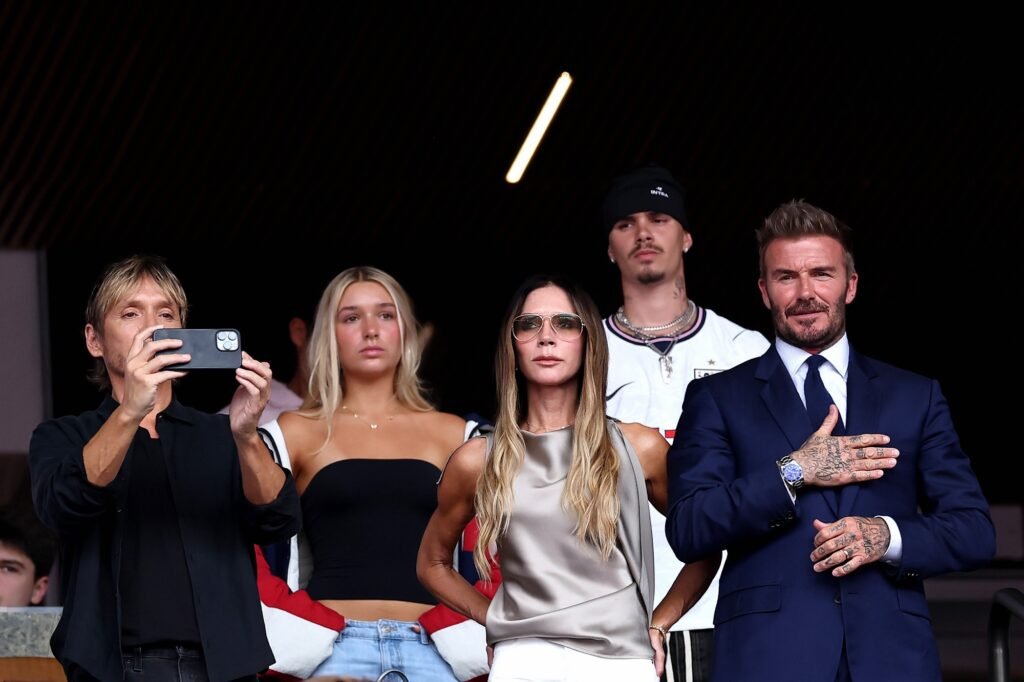
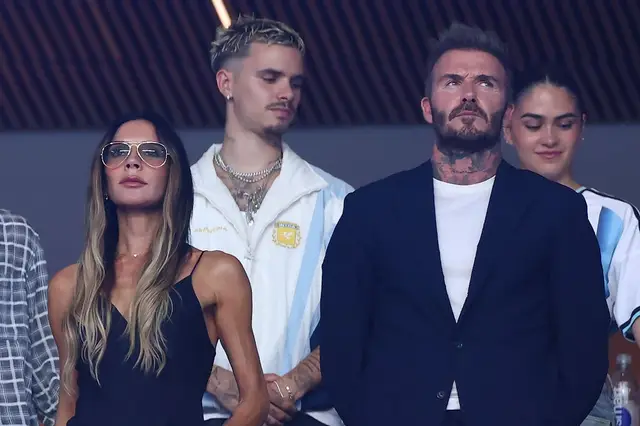
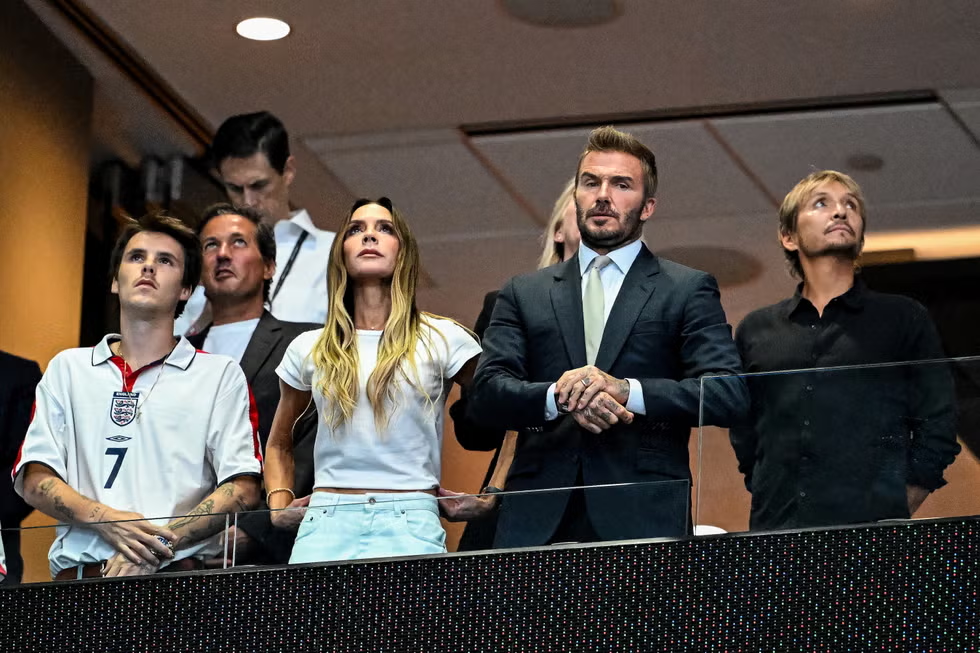
We are a long way from the legendary 2006 era, where oversized Y2K sunglasses and casual tank tops defined spectator fashion. In 2026, Victoria Beckham led a total style revolution in the stands. Photographed in flawlessly tailored waistcoats and elevated suiting during the biggest international fixtures, she brought a sense of pure, quiet sophistication to the stadium, proving that fan apparel can be as sharp and structured as a boardroom suit.
Tolami Benson’s WAG Reboot & Laura Abla’s Final Masterpiece
Stadium fashion has officially evolved into narrative art. Tolami Benson completely rebooted modern spectator style, abandoning generic replica shirts to treat every match day as a storytelling canvas filled with custom, archival pieces referencing Bukayo Saka.
The absolute pinnacle of this movement occurred during the Final. Laura Abla pulled up to watch Dani Olmo in a breathtaking bespoke jacket crafted by the designer @fer_fabriqueenrecre. The piece flawlessly combined traditional Korean nubi (a meticulous quilting technique) with Japanese sashiko (a highly durable, functional embroidery style). It was a breathtaking piece of artisanal craftsmanship that elevated a standard football jersey into a museum-worthy garment.
The New Beautiful Game: Why Football and Fashion Are Now Inseparable
The 2026 World Cup permanently answered the question of how football became fashionable. It proved that loving the beautiful game and loving high fashion are no longer mutually exclusive worlds.
Whether you are a die-hard tactician analyzing a 90-minute defensive masterclass, a sneakerhead hunting down an exclusive pre-match drop, or a casual pop-culture fan tuning in solely for the tunnel walk fits, there is a place for you here. Football has officially transcended the grass to become the most vibrant, inclusive, and fashionable subculture on Earth.