As England prepares to face Argentina in the 2026 World Cup semifinals, the match marks the 40th anniversary of Diego Maradona’s infamous “Hand of God.” Four decades later, England vs Argentina 2026 World Cup semifinal, the rivalry remains defined by the heartbreak, genius, and lingering English resentment from 1986.
Return to the Scene of the Crime
Just ten days ago, under the concrete arches of the Estadio Azteca World Cup 1986 cathedral, England executed a triumphant, cathartic victory over Mexico. That win punched their ticket deeper into the tournament, but it also locked them into an inescapable collision with their own history.
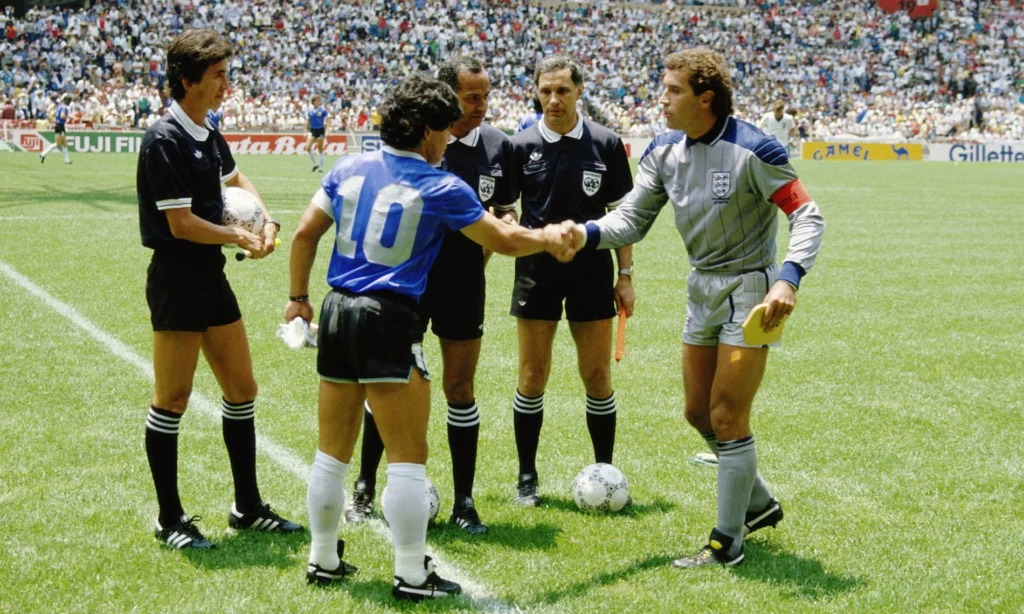
When the Three Lions walk out to face La Albiceleste in the England vs Argentina 2026 World Cup semifinal, they are not merely playing for a spot in the final. They are stepping onto a stage haunted by a 40-year-old ghost. Four decades have passed since the scorching summer of ’86, yet the geopolitical and emotional weight of that singular afternoon in Mexico City continues to dictate the England vs Argentina World Cup history. It is the ultimate international grudge match, a Shakespearean tragedy of stolen glory, unmatched genius, and a wound that a nation simply refuses to let heal.
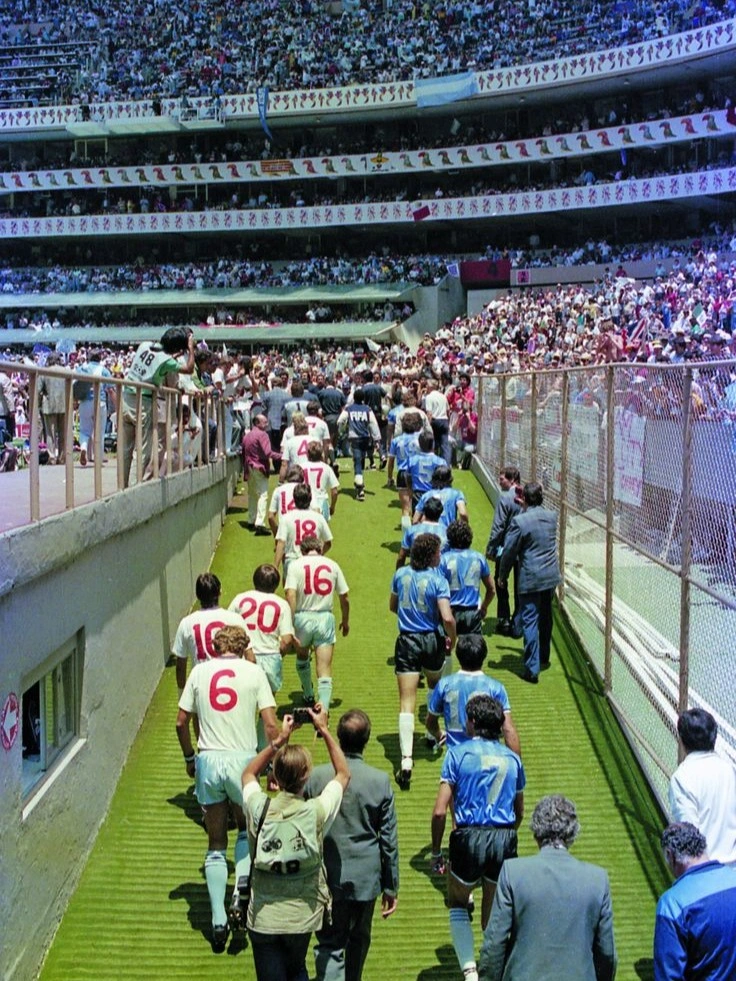
The Archangel’s Theft: A Goal VAR Would Have Erased
If you ask a modern fan, “Did Maradona score with his hand against England?”, the answer is a cold, historical fact. But to understand the trauma it inflicted, you must strip away the sterile lens of modern football and examine the sheer, street-smart audacity of the act.
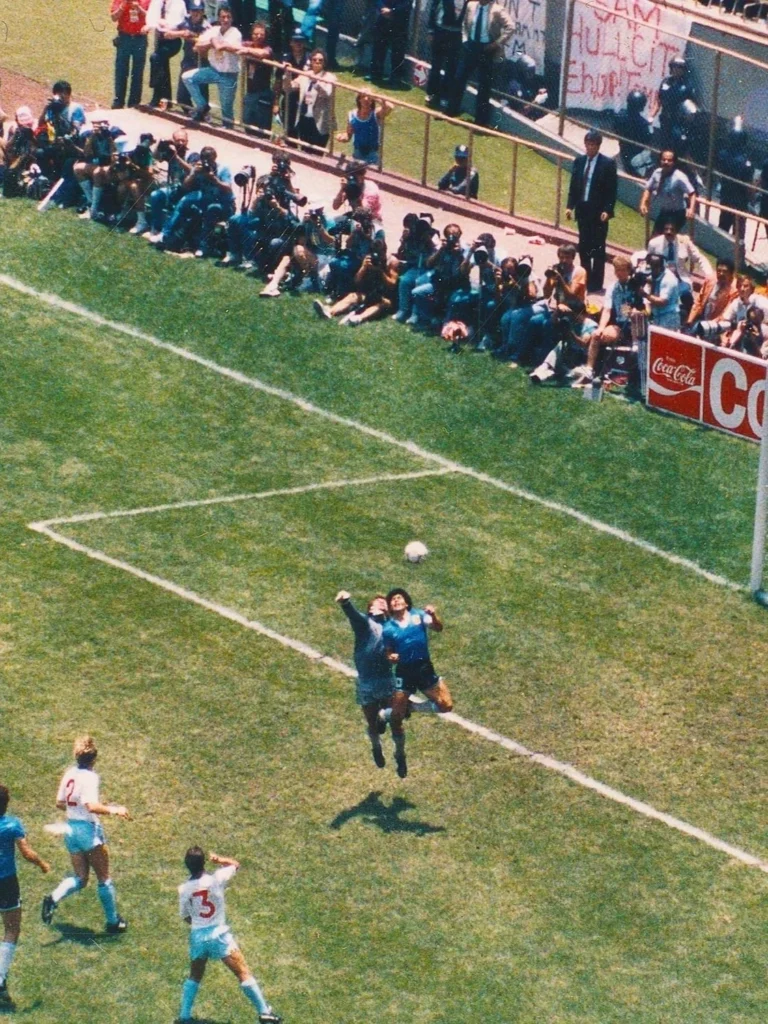
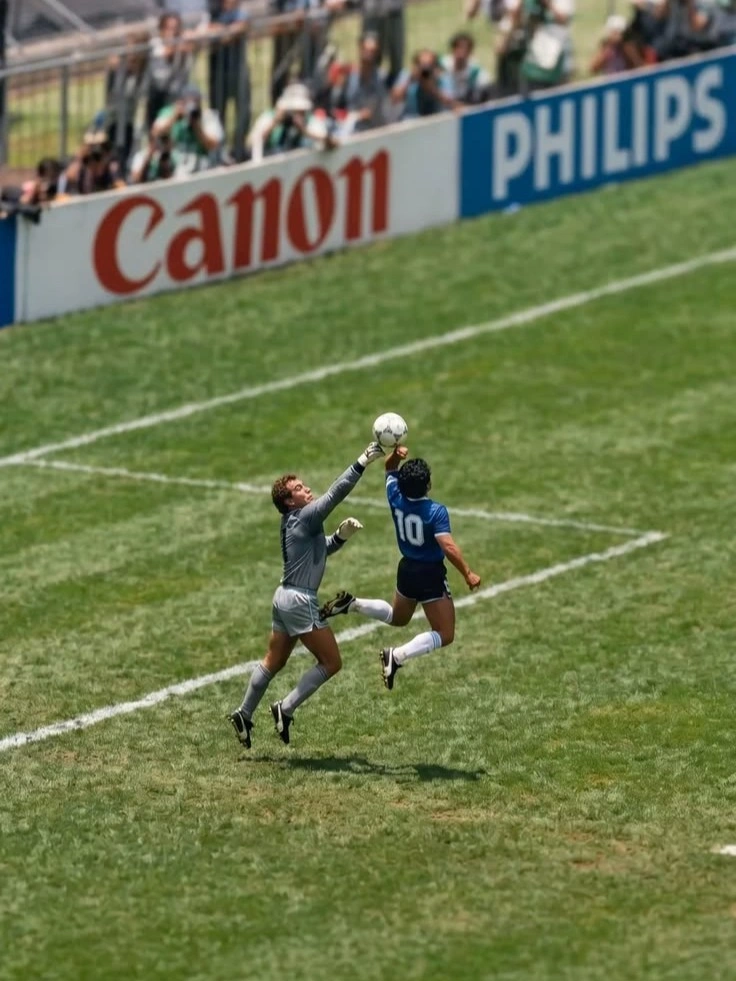
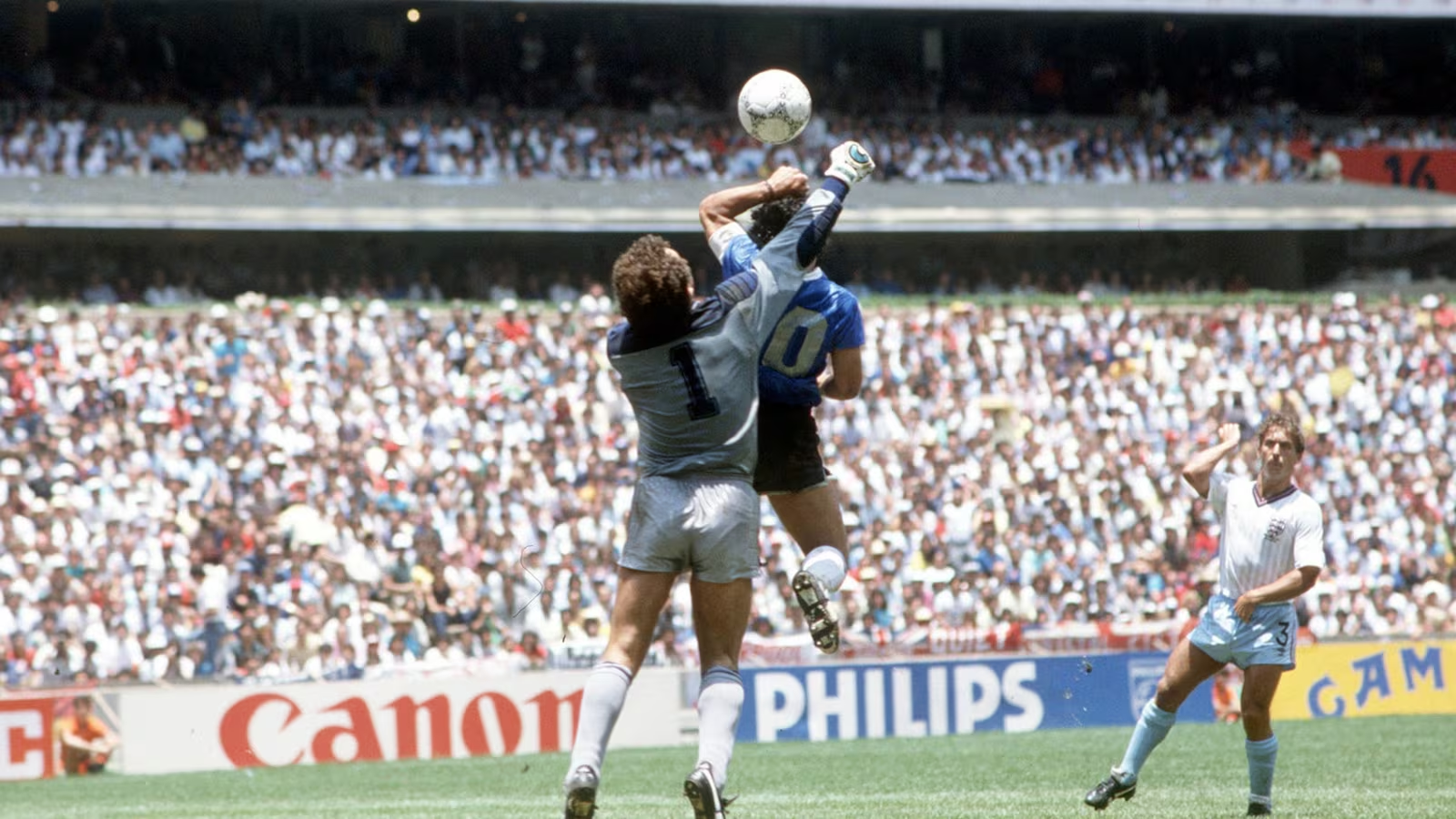
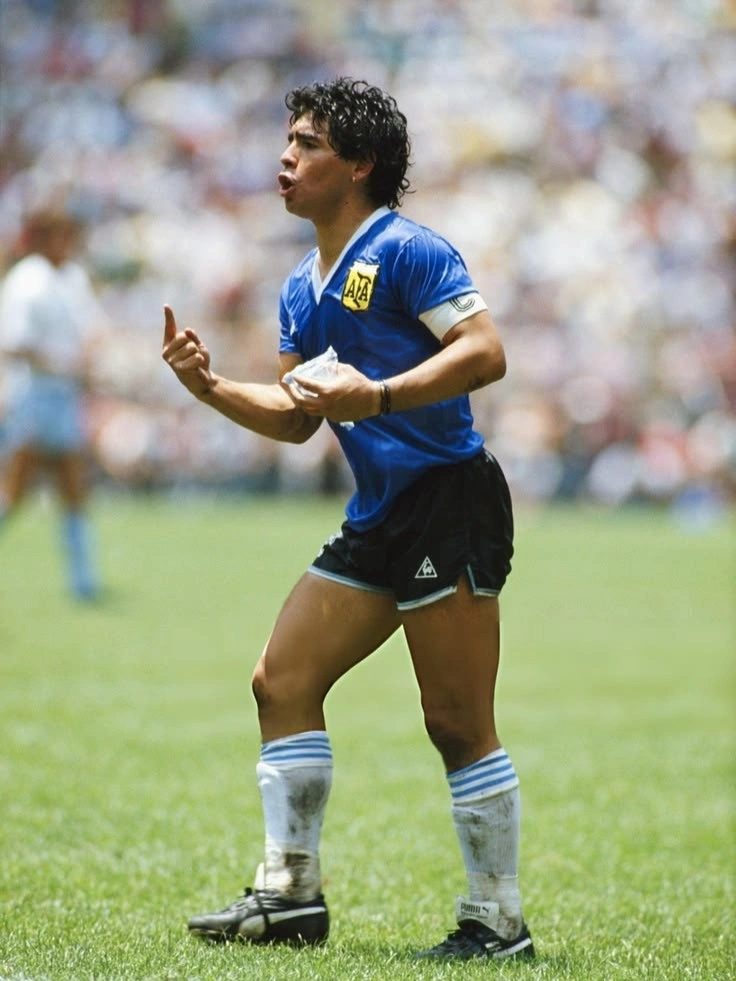
It was the 51st minute. Steve Hodge, the English midfielder, hopelessly hooked a clearance back toward his own penalty area. Peter Shilton, the towering English goalkeeper, rushed off his line, fully expecting to easily punch the ball clear. But rising alongside him was a 5-foot-5 Argentine carrying the hopes of a wounded nation. In a split second of deceit, Diego raised his left fist and punched the ball into the empty net.
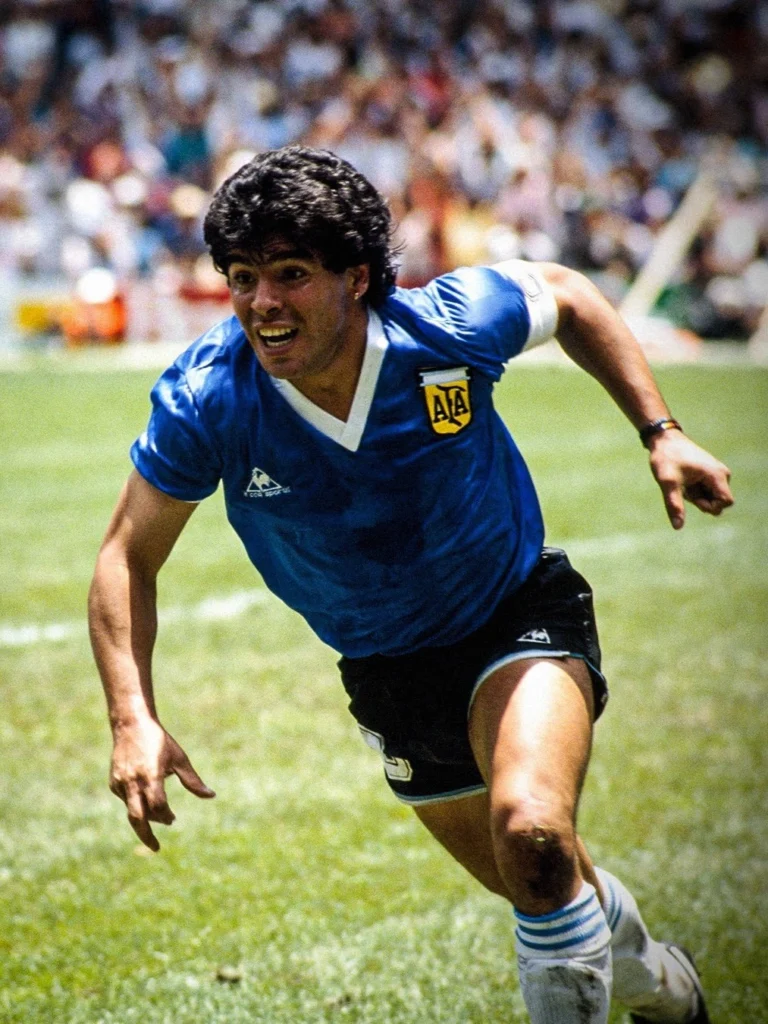
It was the archangel’s theft. In today’s era of hyper-scrutiny, a goal of this nature would be instantly nullified by VAR, resulting in a yellow card and a free kick. But in 1986, Tunisian referee Ali Bin Nasser pointed to the center circle. The act entered the history books as divine intervention, famously described by Diego himself as being scored “a little with the head of Maradona, and a little with the hand of God.” For Argentina, it was a mischievous, justified act of vengeance for the Falklands War. For England, it was an unforgivable, immortal sporting crime.
The Cosmic Kite and the Goal of the Century
The true, maddening tragedy for England is what happened exactly four minutes later. The theft was immediately followed by undeniable divinity.
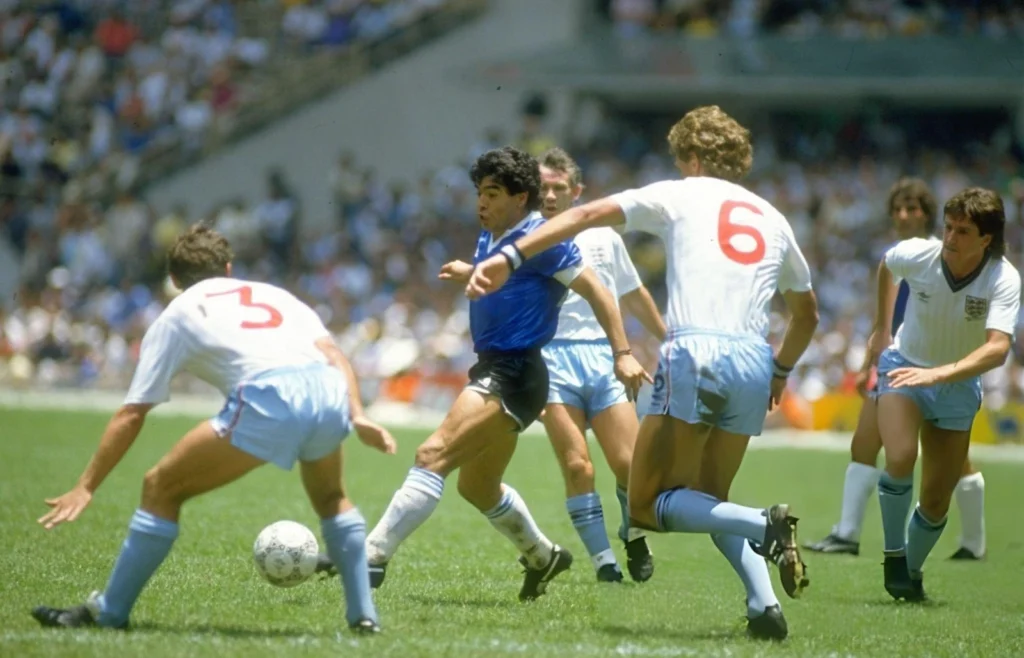
Collecting the ball in his own half, Maradona executed the Goal of the Century. It was a mesmerizing, 60-yard sprint that tore the English defense to shreds. He danced past Peter Beardsley, Peter Reid, Terry Butcher, and Terry Fenwick, moving with a supernatural grace that made elite athletes look like training cones. Finally, he rounded Shilton, leaving the keeper sprawled on the turf, and slotted the ball home.
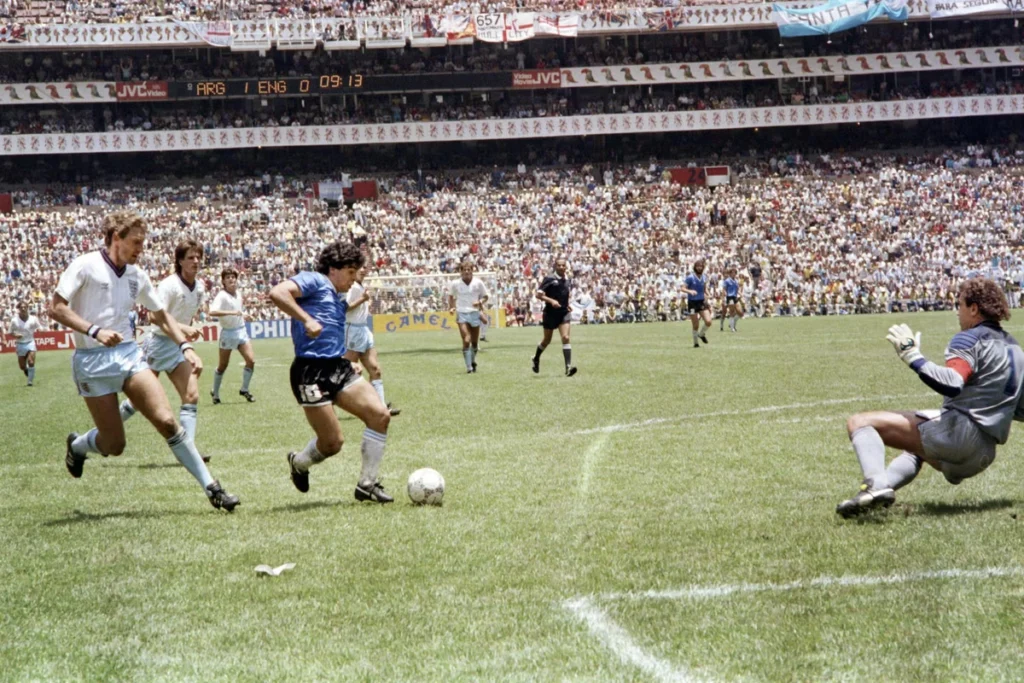
To fully grasp the magnitude of this moment, one must listen to the legendary commentary of Víctor Hugo Morales. As Maradona bypassed the final defender, Morales abandoned all journalistic neutrality, weeping into his microphone in real-time. He delivered an immortal realization of the Cosmic Kite Diego Maradona:
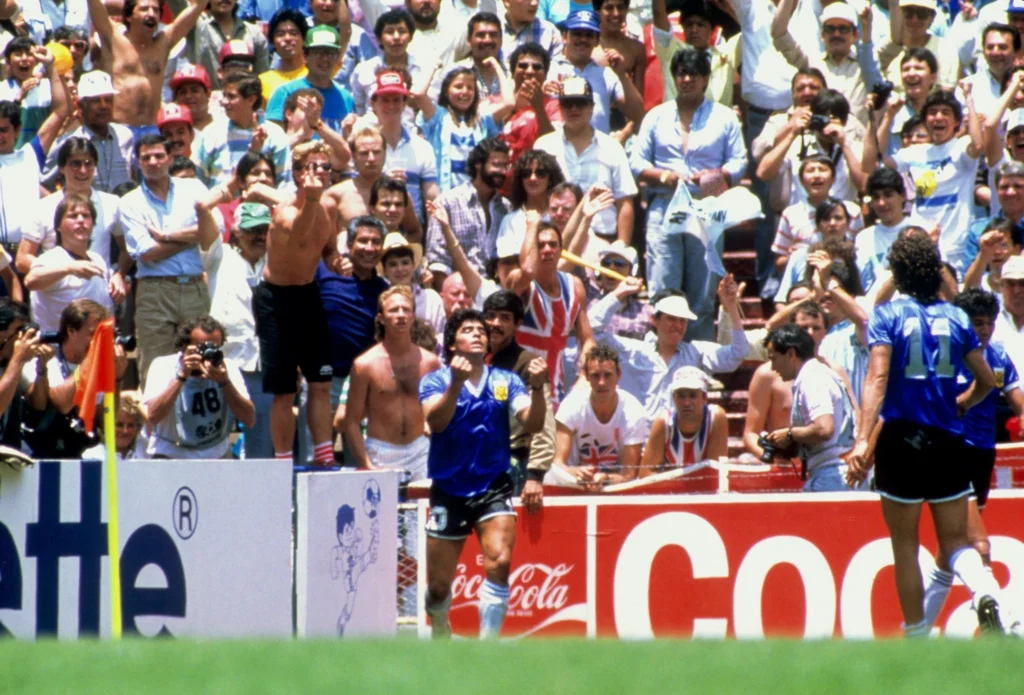
“Cosmic kite, what planet did you come from to leave so many Englishmen behind? To make the country a clenched fist crying for Argentina?… ¡Dios Santo, viva el fútbol! ¡Golaaazooo! ¡Diegoal!”
In the span of four minutes, Maradona encapsulated his entire duality: the cunning street urchin who would pick your pocket, and the absolute deity who could touch the heavens.
The Peak of Casa Rosada and the Tragedy that Followed
The Maradona Hand of God 40th anniversary is not just a reflection on a single match; it is a meditation on a tragic, meteoric life. Following the ultimate victory in Mexico, Maradona returned to Buenos Aires as a god. He stood on the balcony of the Casa Rosada, clutching the golden World Cup trophy to his chest, standing on the exact, historic spot where Eva Perón once addressed the descamisados (the shirtless ones).
It is a beautifully melancholic image, because it represents the absolute peak of his existence. He would never be this happy, or this untouchable, ever again. What followed was a dark, heartbreaking descent: the agonizing tears of Italia ’90, the cocaine suspension in ’91, and the shameful ephedrine expulsion in ’94. His life became a chaotic, self-destructive tragedy, making that golden afternoon in ’86 feel even more fragile and sacred to the Argentine people.
Unforgiven: 40 Years of English Heartbreak
So, why does England still hate Diego Maradona?
Despite his tragic passing in 2020, the English national psyche has never truly forgiven him. For 40 years, they have carried a highly specific cocktail of perceived injustice, profound sadness, and a stubborn refusal to let go of the theft. The English players who shared the pitch with him that day, men like Shilton and Butcher, still speak of the incident with a raw, unhealed bitterness. They feel they were robbed not just of a World Cup semifinal, but of their sporting innocence.
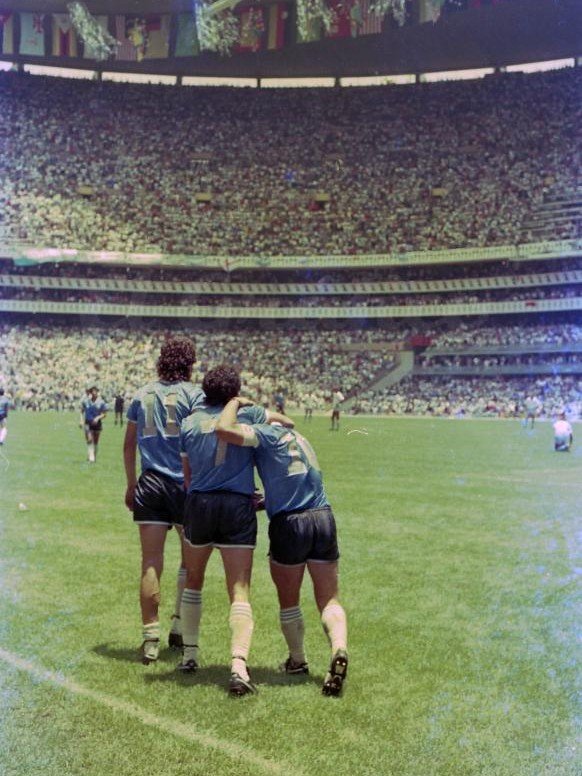
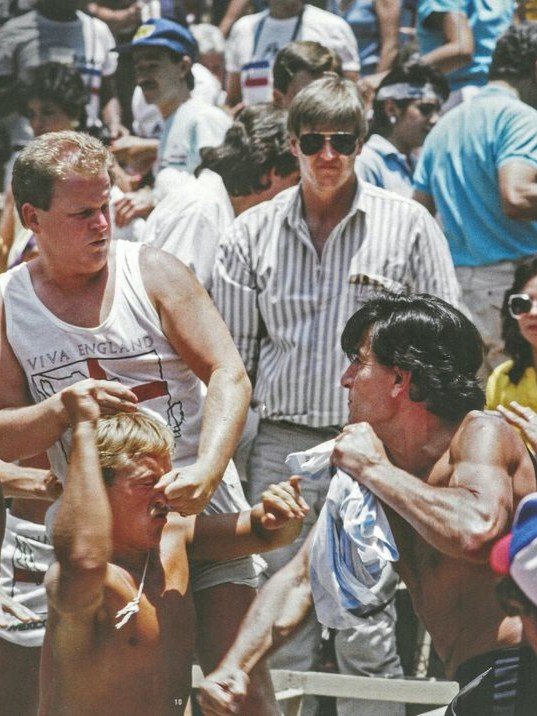
As the 2026 World Cup semifinal approaches, the tactical sheets and modern analytics are entirely secondary. When the whistle blows, the current generation of English players will be carrying the weight of 1986 on their shoulders. They are stepping onto the pitch to settle a 40-year-old score, playing against eleven men in blue and white, and the immortal, unforgiven ghost of the Cosmic Kite.