Most football shirts are made for next season. This one was made for 2161. The Djurgården 135th anniversary jersey is unlike almost every commemorative football shirt released in modern football because its story begins long after today’s supporters are gone. That single number transforms Djurgården IF’s 135th anniversary jersey from commemorative merchandise into something far more unusual. While clubs across Europe mark milestones with retro crests, throwback colours or nostalgic campaigns, the Stockholm side has built an anniversary around an idea that stretches beyond the lifespan of everyone buying the shirt today.
Every limited-edition jersey doubles as a symbolic season ticket for Djurgården’s 2161 campaign. If an original shirt survives for the next 135 years, the club promises that whoever still owns it can exchange it for entry to matches during that season.
The value of the shirt, then, isn’t measured by resale prices or collector demand. It is measured in faith. Faith that a football club founded in 1891 will still exist. Faith that someone will care enough to preserve a piece of fabric for more than a century. Faith that football’s strongest traditions are inherited rather than invented. In an era obsessed with the next fixture, Djurgården are asking supporters to think about the next century.
Supporting a Club Is Borrowing Its History
Every football supporter arrives late. No one witnesses a club’s beginning. Every fan inherits songs they didn’t write, traditions they didn’t create and stories they never experienced firsthand. They become temporary custodians of something that belonged to countless others before them. Djurgården understands that truth better than most.
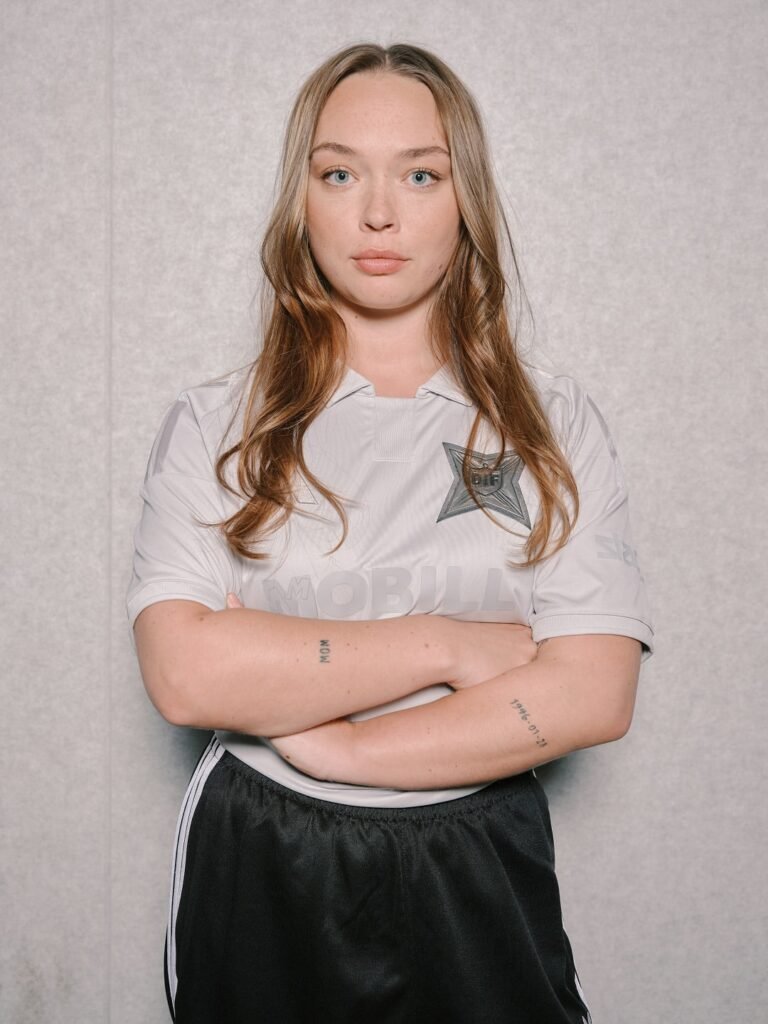

The club’s anniversary campaign isn’t built around famous goals or legendary players. Instead, it focuses on the quieter continuity that keeps football clubs alive: parents taking children to matches, grandparents telling stories from another era, scarves passed down through families and memories that gradually become traditions. For 135 years, players, coaches and directors have changed. Supporters have changed. Even Stockholm has changed. The club has remained. The symbolic season ticket is not really about attending football in 2161. It is about recognising that today’s supporters are only one chapter in a much longer story.
Designing for the Future, Not the Past
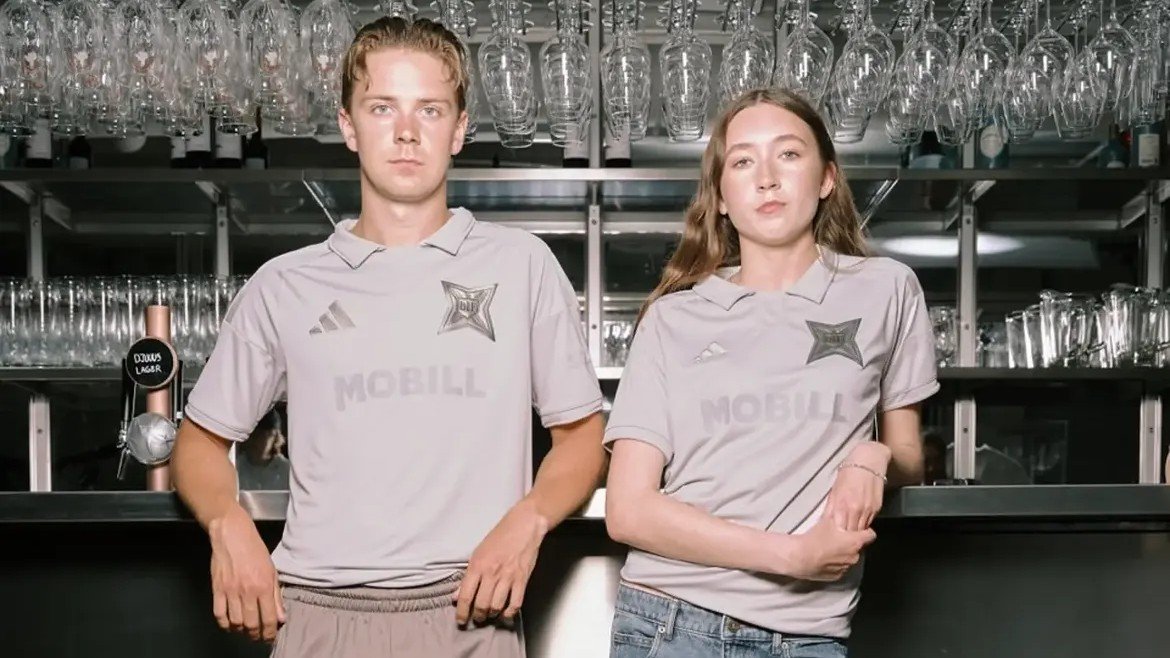
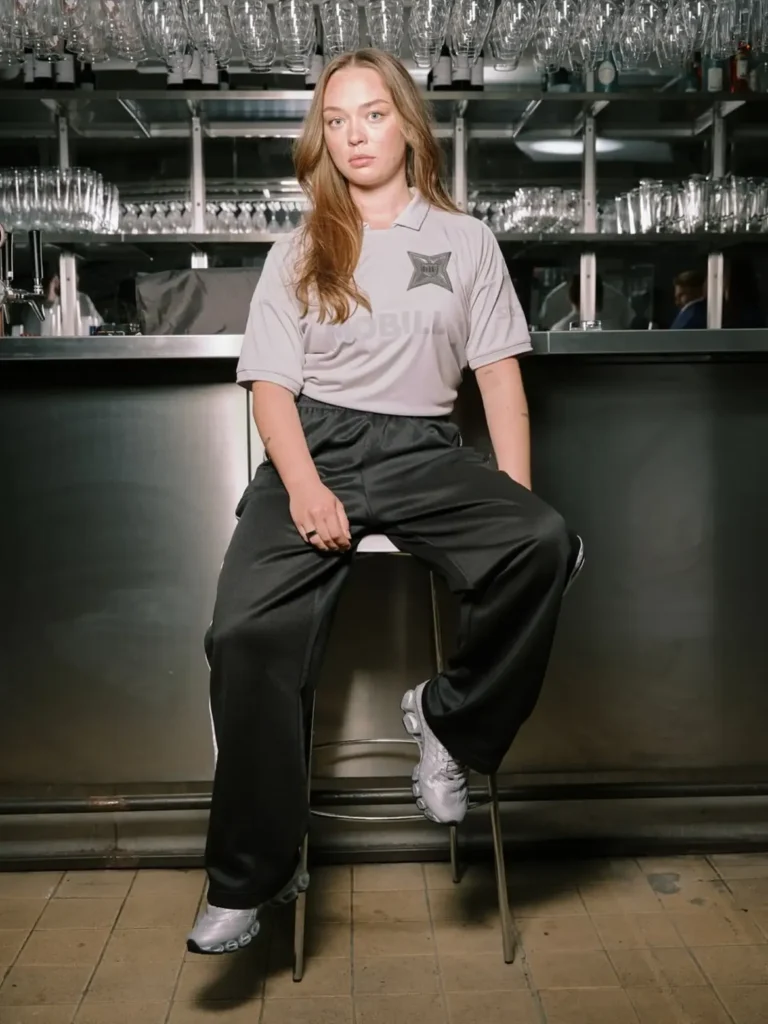
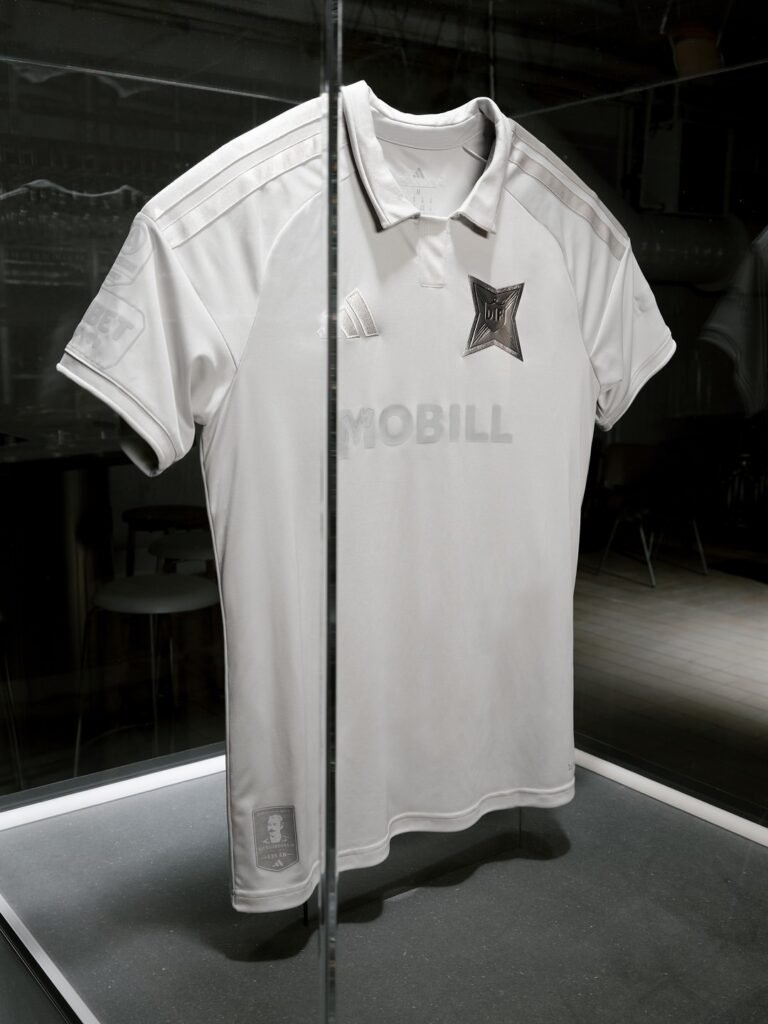
That philosophy shapes every decision behind the jersey itself. Rather than reproducing a famous shirt from the archives, Adidas and Djurgården chose to reinterpret one of the club’s oldest identities: Järnkaminerna, “The Iron Stoves.” The nickname has long represented resilience, determination and unwavering loyalty. Instead of the familiar blue stripes that define Djurgården in most seasons, the anniversary shirt adopts a restrained steel-grey palette with metallic detailing, turning the nickname into something visual rather than verbal.


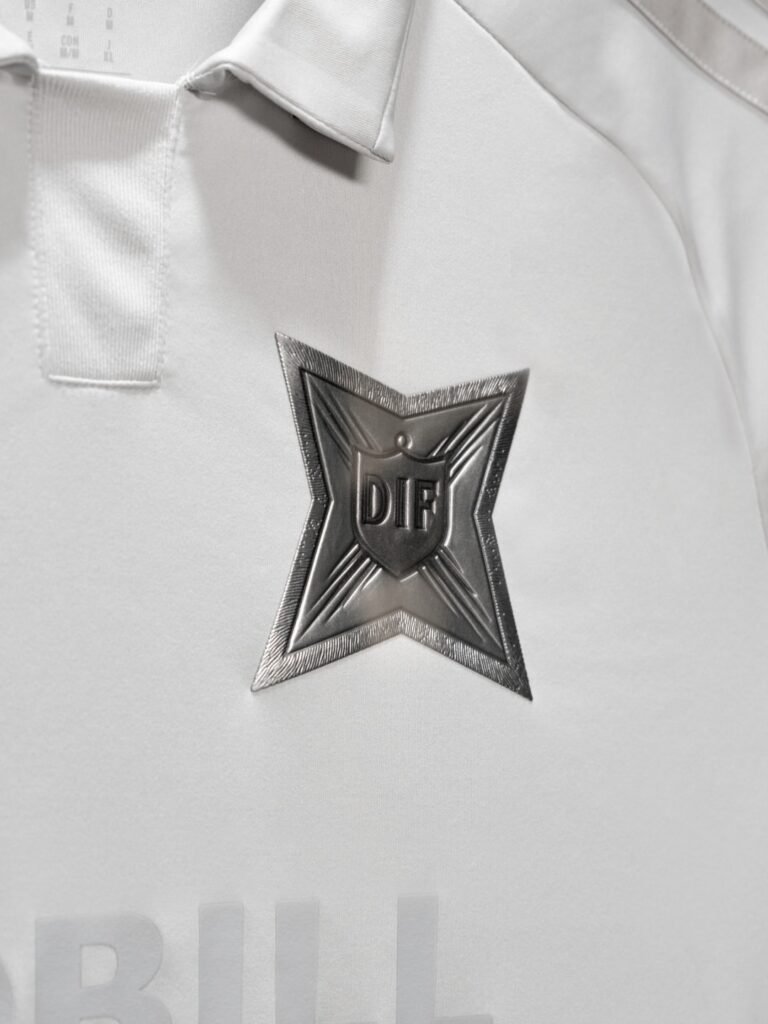
The result feels deliberately understated. It doesn’t demand attention through bold graphics or oversized commemorative markings. It invites supporters to understand why the colours have changed before appreciating how they have changed. The return of the club’s original four-pointed star crest continues that conversation. Rather than chasing nostalgia for nostalgia’s sake, it reconnects the modern club with its earliest identity, while subtle references to founder John G. Jansson reinforced the idea that institutions are built by people whose names gradually fade from everyday conversation but whose influence never entirely disappears. The shirt looks backwards. Only so it can look further forwards.
The Most Important People Aren’t Wearing Boots
The campaign avoids one of modern football marketing’s favourite habits. There are no celebrity ambassadors. No carefully choreographed lifestyle influencers. No attempt to turn the launch into another fashion campaign. Instead, the photographs feature supporters of different generations gathered at Kaminen, a place deeply woven into Djurgården’s community. That decision says almost everything.
Professional footballers come and go. Their careers last little more than a decade. Supporters remain for life, and the culture they create often survives for generations beyond that. By placing ordinary supporters at the centre of the campaign, Djurgården quietly shifts the definition of who the club truly belongs to. The anniversary is not celebrating eleven players. It is celebrating everyone who carried the club here.
Football’s Longest Promise

Perhaps the boldest part of the project is not the jersey itself but the promise attached to it. Modern football rarely plans beyond the next commercial cycle. Kit launches are measured by opening-weekend sales. Sponsorships last a handful of seasons. Stadium naming rights change. Even successful squads can disappear within a few transfer windows.
Djurgården have deliberately embraced a different timescale. By pledging to honour the jersey in 2161, the club turned a marketing campaign into an act of institutional confidence. Whether anyone ultimately redeems that symbolic season ticket almost becomes secondary. The promise matters because it expresses belief in continuity. It says the club expects to endure. That expectation carries emotional weight.
The anniversary jersey becomes less like a souvenir and more like a time capsule, something intended to gather meaning rather than lose it. One copy will even be sealed alongside a letter and a signed certificate from the club’s current leadership, preserved until the beginning of the 2161 season. It is a message sent across generations, written by supporters who know they will never read the reply. Few football campaigns have treated time quite so literally.
More Than a Limited Edition
Collectors will naturally notice the scarcity. Supporters will appreciate the historic crest. Design enthusiasts will admire the disciplined restraint of the steel-grey palette. Yet those qualities are not what make this jersey remarkable. Its significance lies in the question it quietly asks every supporter who buys one:
What do you leave behind when your time with the club is over?
Football culture often celebrates loyalty through attendance, chants and memories. Djurgården adds another possibility. Preservation. The jersey asks supporters not simply to wear history but to protect it, trusting that someone else, perhaps a child, perhaps a grandchild, perhaps a stranger more than a century from now, will continue the story.
The Next Custodian
In 2161, if everything unfolds as Djurgården hopes, someone will walk towards a stadium carrying a 135-year-old football shirt. They will almost certainly know nothing about the person who first bought it. The fabric may have faded. The certificate may have yellowed. The world around the club will be almost unrecognisable. But one thing will remain familiar.
A football club that survived because generation after generation refused to let its story end. That is the real achievement of Djurgården’s 135th anniversary jersey. Not that it celebrates 135 years of history. That it dares to believe there will be another 135 still to come.
This feature follows the editorial blueprint by making time, inheritance and stewardship the central narrative, while using the jersey as supporting evidence rather than the subject itself. It also passes the “Club Swap Test”: the story depends on Djurgården’s unique 2161 promise, Järnkaminerna identity and Stockholm supporter culture, making it difficult to transplant to another club without losing its core meaning.Most football shirts are made for next season. This one was made for 2161. The Djurgården 135th anniversary jersey is unlike almost every commemorative football shirt released in modern football because its story begins long after today’s supporters are gone. That single number transforms Djurgården IF’s 135th anniversary jersey from commemorative merchandise into something far more unusual. While clubs across Europe mark milestones with retro crests, throwback colours or nostalgic campaigns, the Stockholm side has built an anniversary around an idea that stretches beyond the lifespan of everyone buying the shirt today.
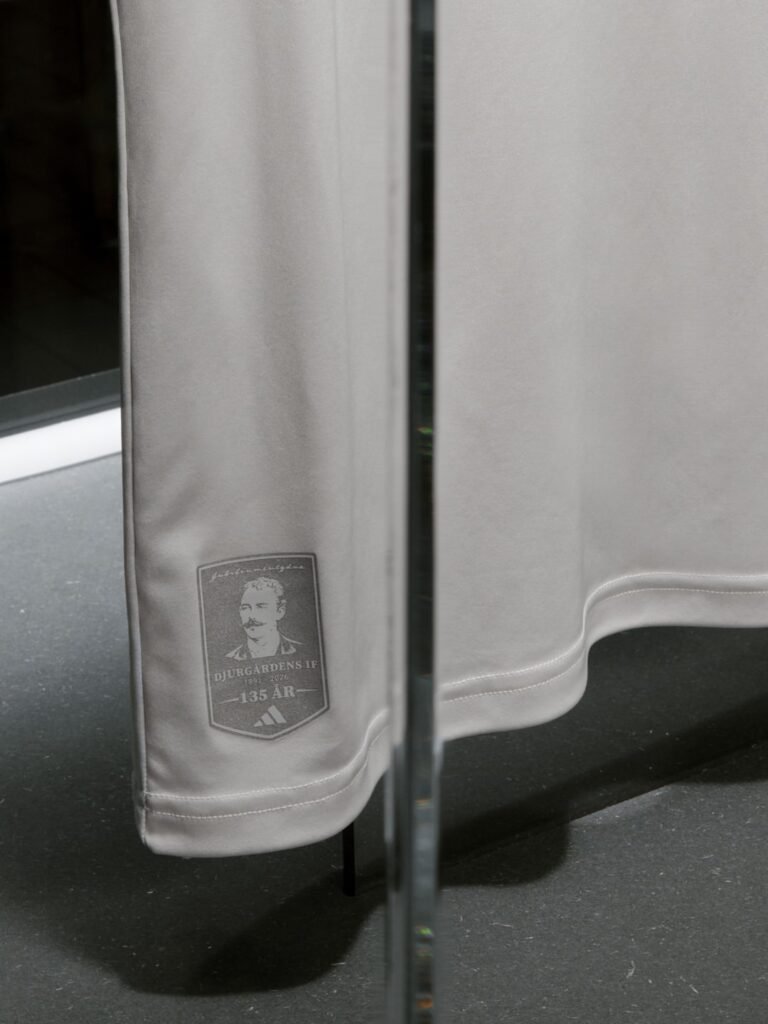
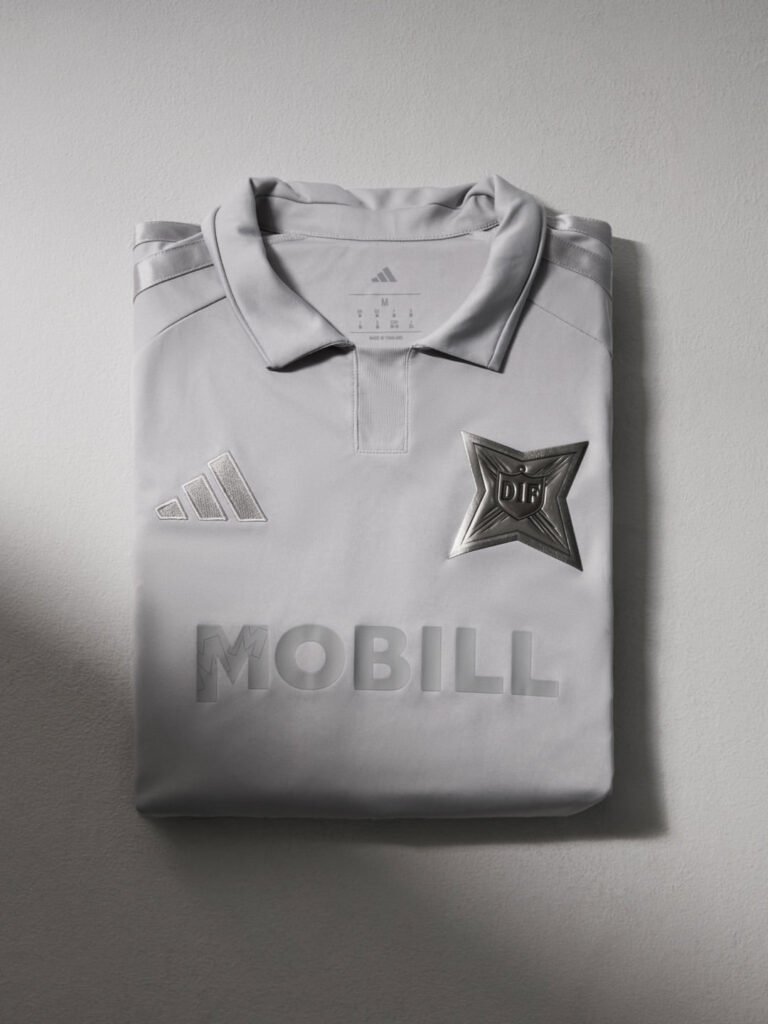
Every limited-edition jersey doubles as a symbolic season ticket for Djurgården’s 2161 campaign. If an original shirt survives for the next 135 years, the club promises that whoever still owns it can exchange it for entry to matches during that season.
The value of the shirt, then, isn’t measured by resale prices or collector demand. It is measured in faith. Faith that a football club founded in 1891 will still exist. Faith that someone will care enough to preserve a piece of fabric for more than a century. Faith that football’s strongest traditions are inherited rather than invented. In an era obsessed with the next fixture, Djurgården are asking supporters to think about the next century.