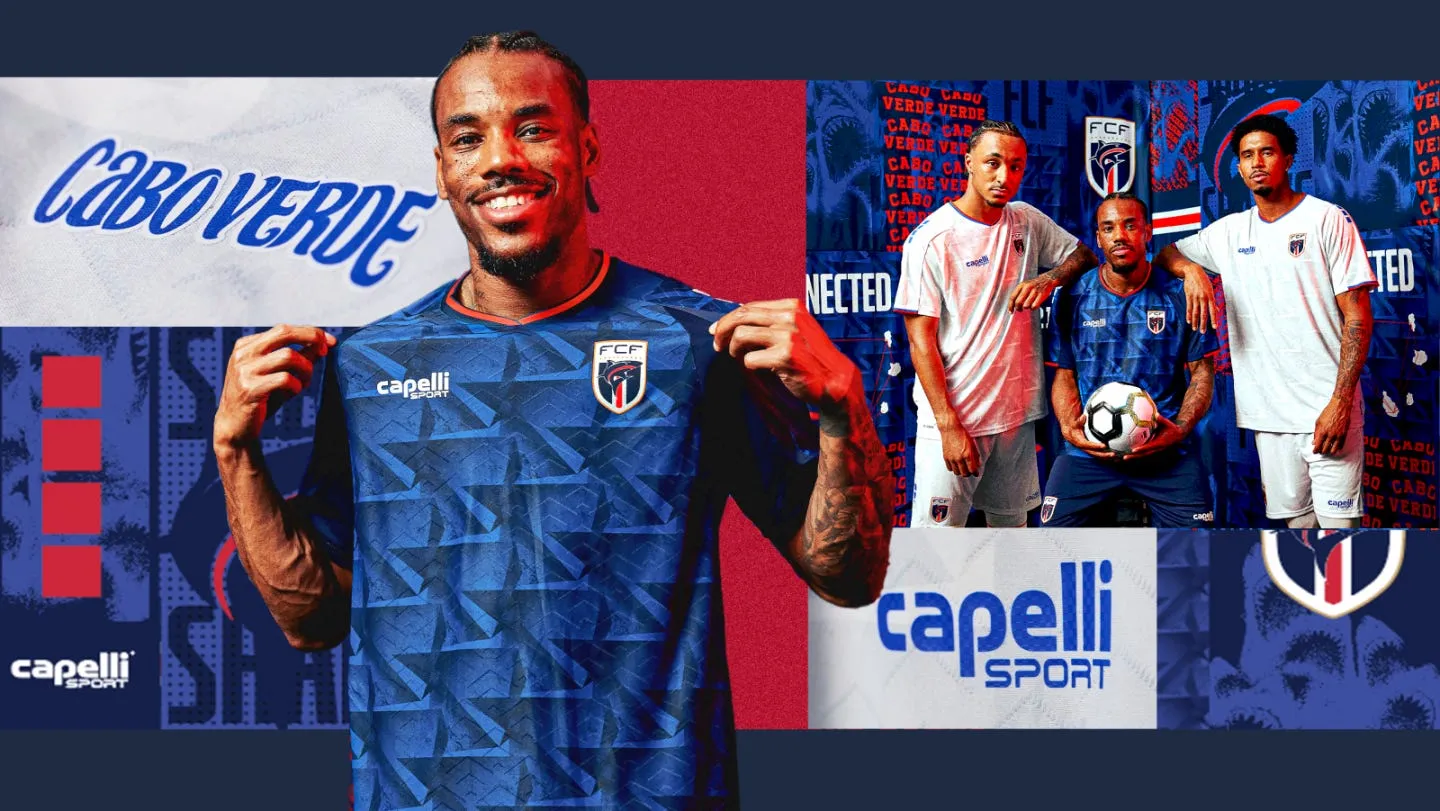
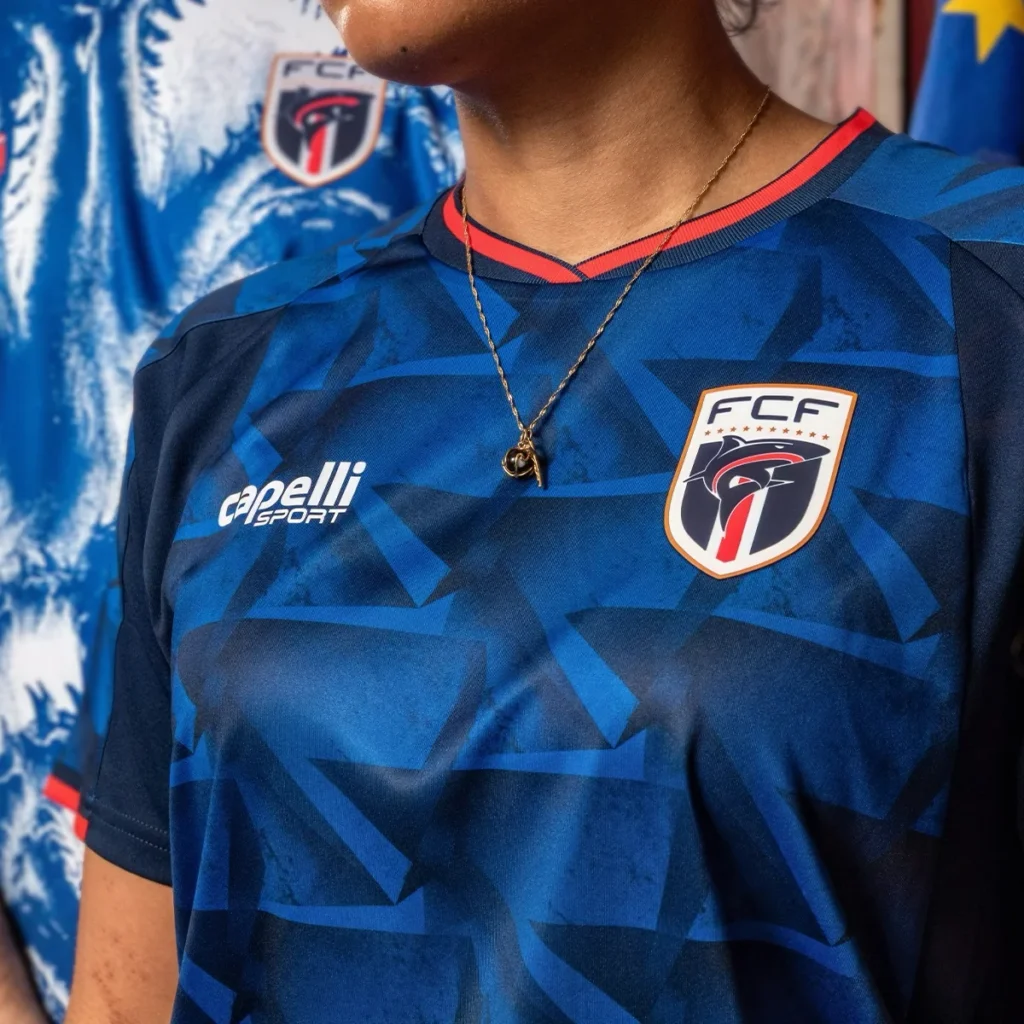
The Cabo Verde Capelli Sport World Cup kit is the breakout fashion star of the 2026 tournament. Designed by George and Liz Altirs, the Manhattan-based, family-owned brand transitioned from outfitting youth teams to outshining billion-dollar athletic monopolies on football’s biggest global stage.
The Spectator Turned Player: From the Stands to the Pitch
Four years ago, George Altirs was sitting in the stands as just another spectator. He was a passionate fan watching the global titans clash on the world’s most exclusive grass in Qatar. Today, he is on the pitch. His family’s logo is shining under the primetime floodlights of Atlanta, Houston, and Miami.
The FIFA World Cup is a heavily guarded, closed corporate ecosystem. It is an elite athletic fortress usually reserved exclusively for the swoosh and the three stripes. Billions of dollars are ruthlessly exchanged in corporate boardrooms just to secure those tiny, three-inch squares of real estate on the chest of a national team. The barrier to entry is designed to be insurmountable for outsiders. Yet, as the Blue Sharks of Cabo Verde take the pitch in North America, they are wearing something entirely different. They are wearing a rebellion. This is the cinematic story of how a relentless, family-owned football brand crashed the greatest, most expensive party on earth.
Solving the Youth Problem: The Capelli Sport History
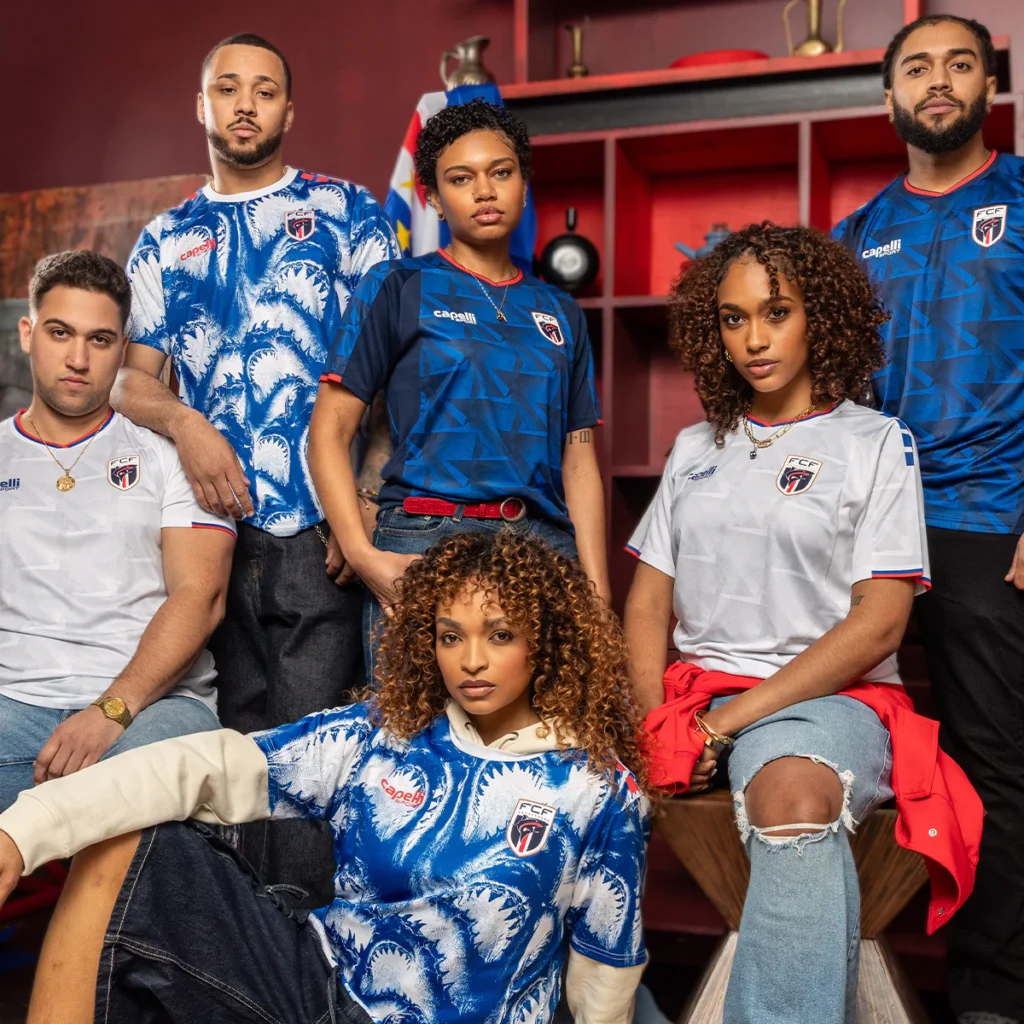
When casual fans tune into the tournament and ask, “Who made the Cape Verde football kit?“, they naturally expect to hear the name of a massive, publicly traded European conglomerate. The truth is infinitely grittier.
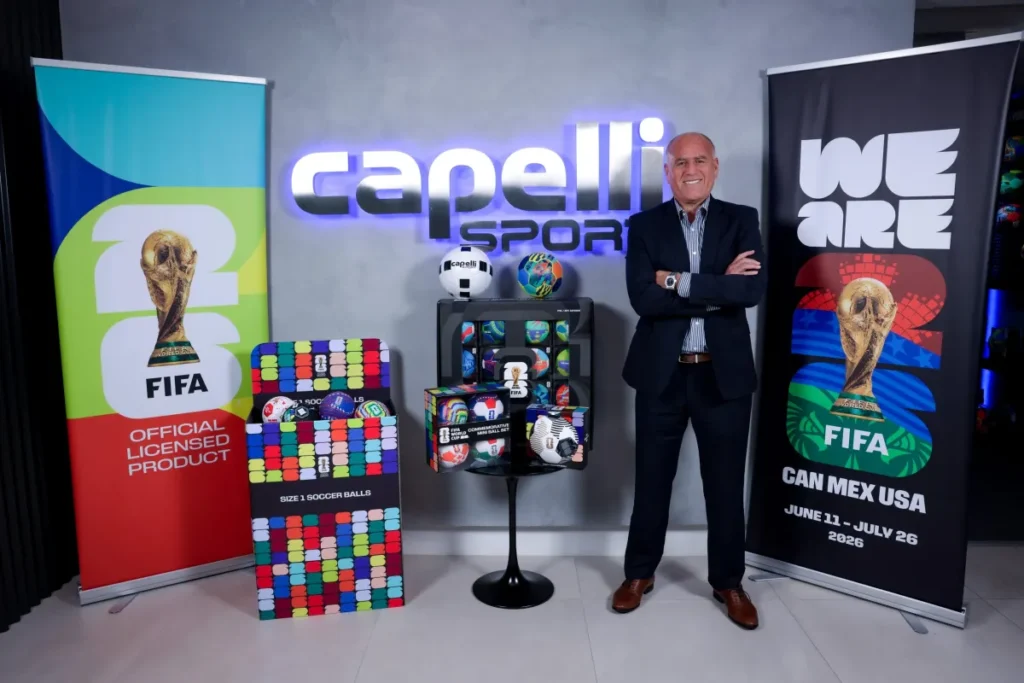
The Capelli Sport history and founders narrative does not begin with a slick, billion-dollar marketing deck. It begins in 2011 with a frustrated father in New York City. George Altirs, a Lebanon-born entrepreneur with decades of hard-fought experience in apparel manufacturing through GMA Accessories, realized a glaring flaw in the market. The massive footwear and sportswear giants simply did not care about grassroots soccer. They were completely ignoring the youth academies and the local clubs. So, Altirs decided to build his own supply chain. His initial motivation was astonishingly simple: he just wanted to provide high-quality, reliable uniforms and balls for his six sons’ local soccer teams.
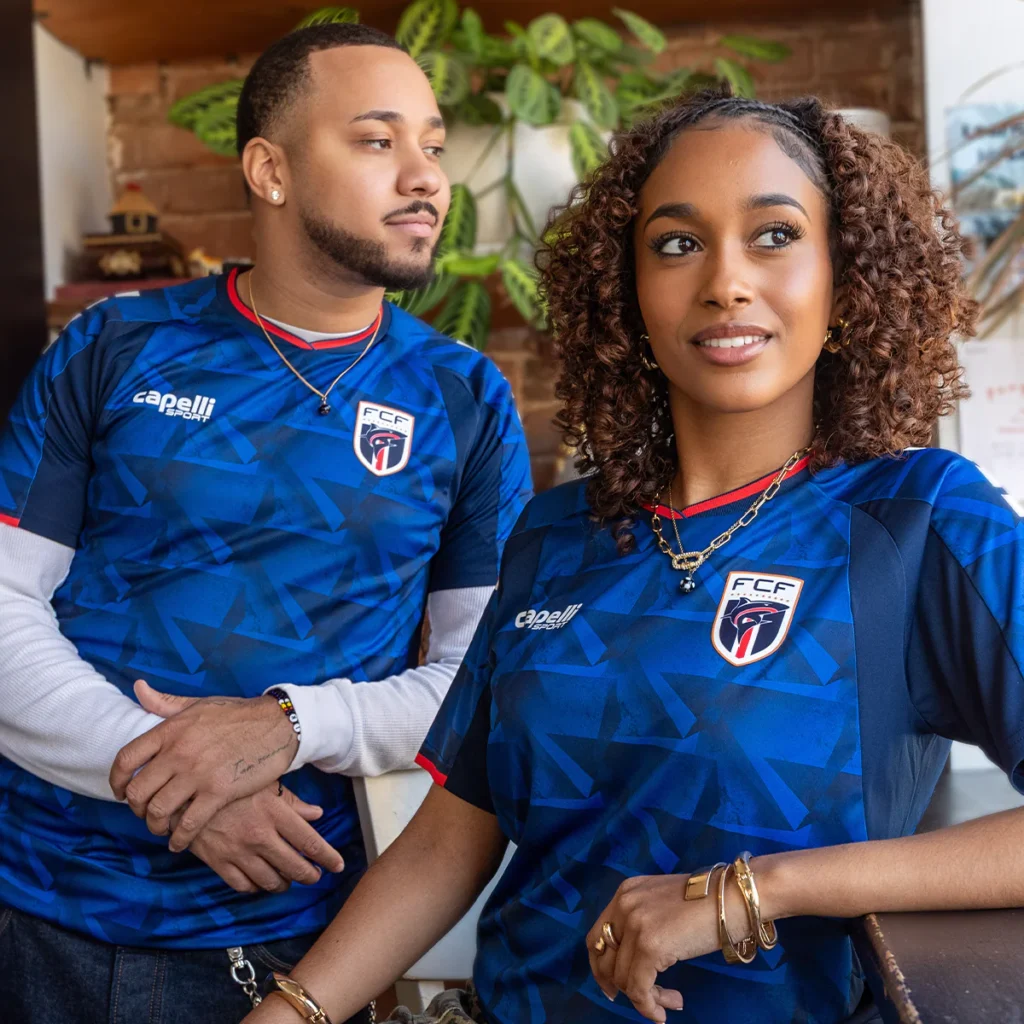
What started as a pragmatic solution to a youth sports problem rapidly evolved into a midtown Manhattan passion project. Driven by George and his wife Liz’s deep love for the beautiful game, George Altirs Capelli Sport began outfitting neglected amateur leagues across the United States. They expanded steadily into the USL, and eventually bought controlling stakes in European clubs like MSV Duisburg in Germany and HB Køge in Denmark. They did not buy a golden ticket into the elite tiers of football; they built their infrastructure from the dirt pitches up.
Designing the Cabo Verde 2026 Jersey
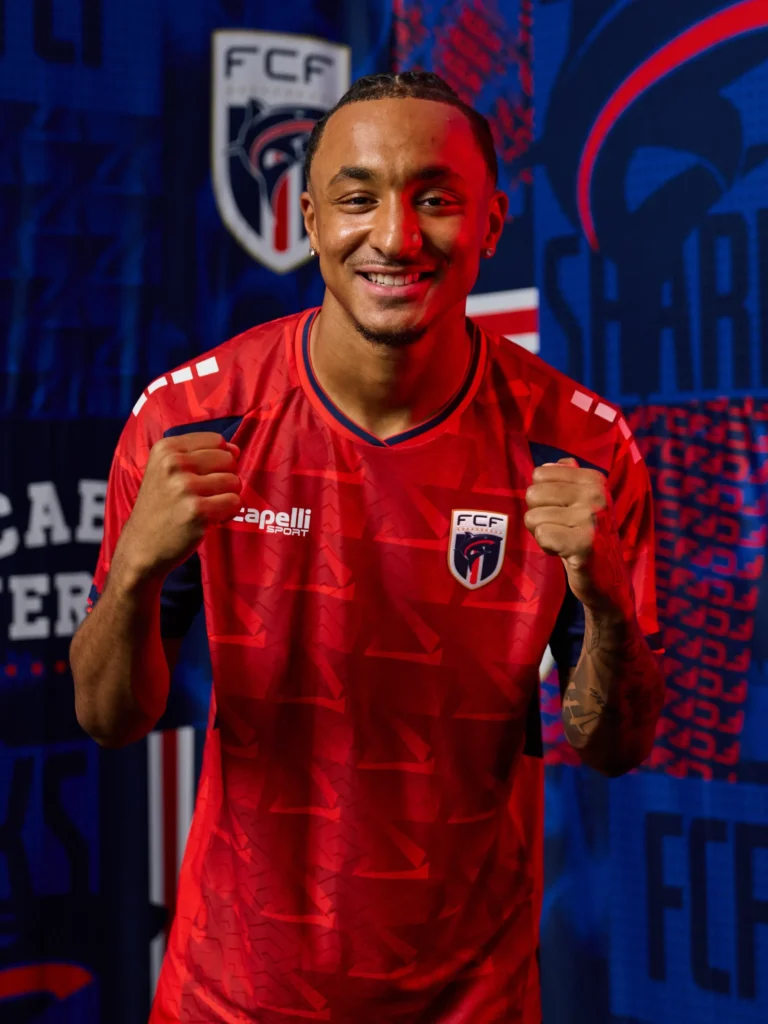
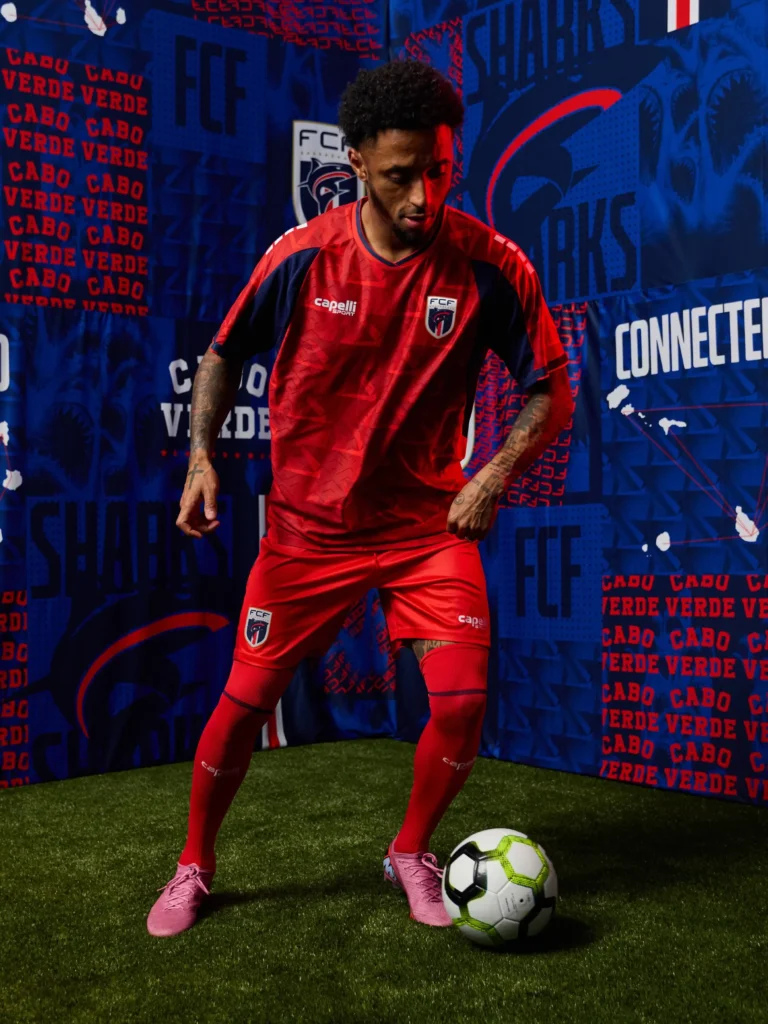
When the Cape Verdean Football Federation secured their historic, first-ever World Cup qualification, they made a bold pivot. They abandoned their previous kit suppliers and signed a landmark, four-year deal with Capelli. The resulting Cape Verde Capelli Sport World Cup kit is nothing short of a masterpiece.
Why does it look so breathtaking on the pitch? Because independent brands take the creative risks that corporate monopolies are too terrified to attempt. The Cabo Verde 2026 jersey is not a lazy, copy-and-paste corporate template pulled from a PDF catalog. It is a deeply intentional piece of cultural art tailored specifically for this exact moment in history.
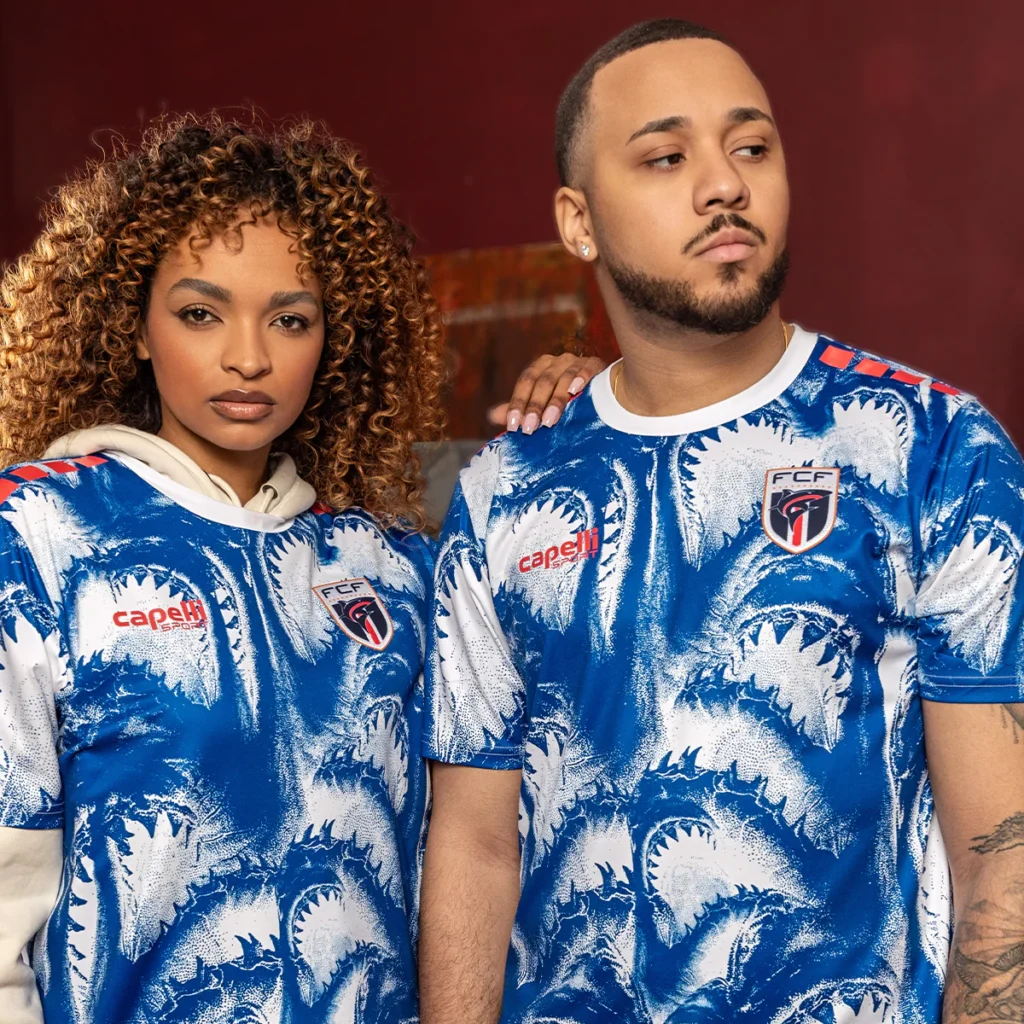
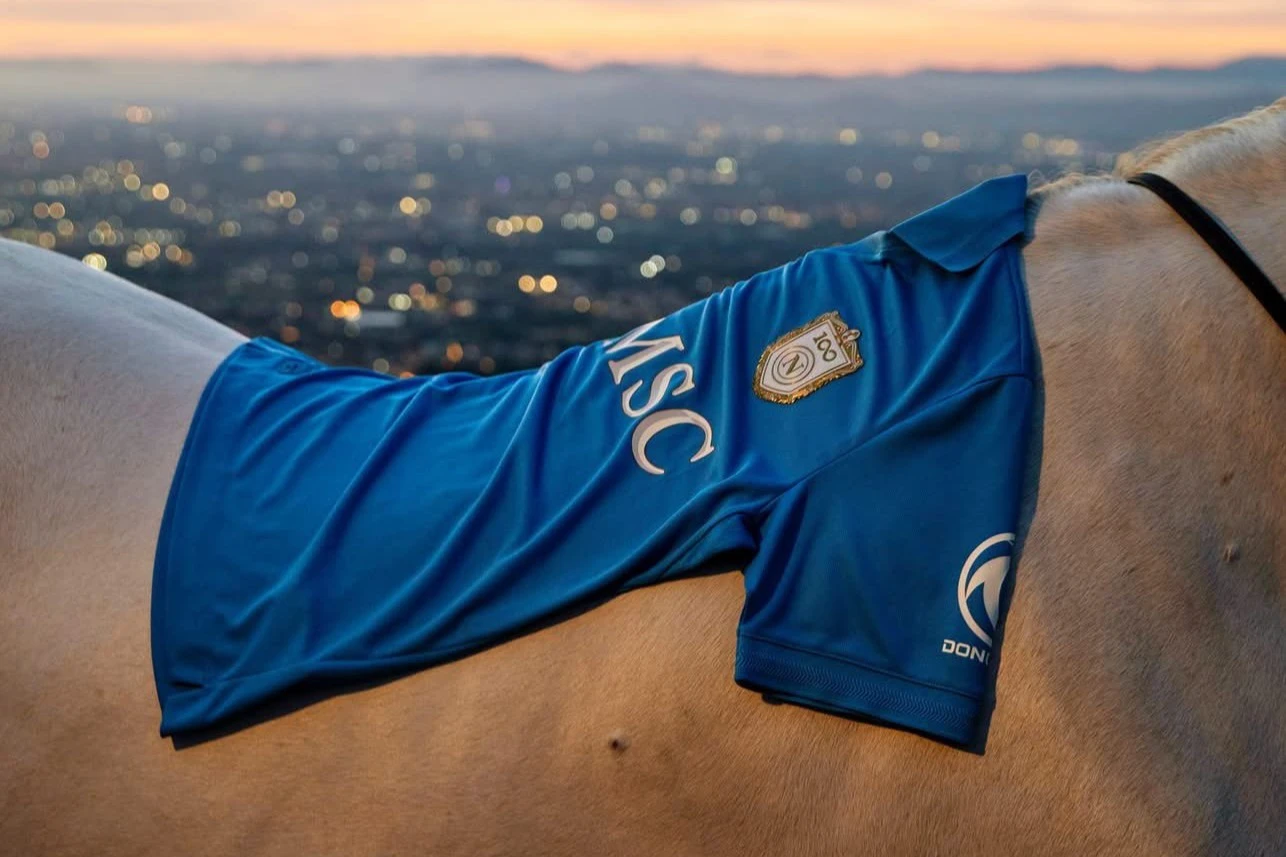
The design draws its inspiration directly from the air and sea routes that connect the nation. The intricate, elevated detailing honors the ten volcanic islands and the vast, sprawling diaspora stretching into global hubs like Lisbon, Boston, and Paris. Balancing a deep navy blue and vibrant yellow aesthetic for their outfield and goalkeeper sets, the shirt features engineered mesh construction and a structured, refined polo collar. It is the physical embodiment of a country separated by oceans but intimately connected by rhythm and identity.
The Blokecore Appeal
This meticulous attention to cultural detail is exactly why kit purists and streetwear collectors have immediately crowned this the best underdog kitsWorld Cup 2026 has to offer.
In the modern era of sterile, mass-produced sportswear, authenticity is the ultimate luxury. The global “blokecore” fashion movement demands garments that tell a real, tangible story. Pairing the Cape Verde Capelli shirt with washed denim and vintage trainers is a direct, stylish rejection of corporate homogenization. Wearing this jersey is a badge of footballing authenticity. It proves you understand the deep soul of the sport, not just the massive marketing budget behind it.
The Billion-Dollar Billboard: Sharing Turf with the Giants
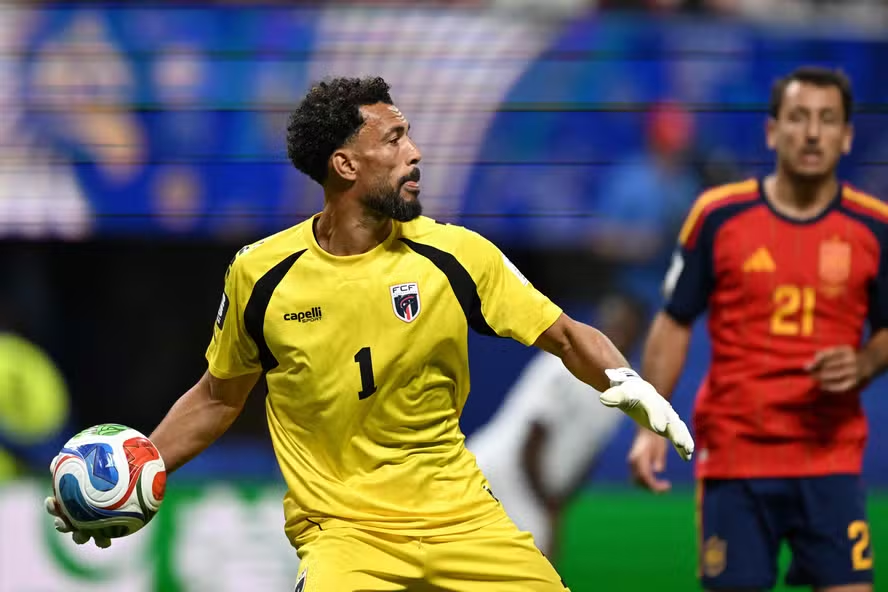
To truly understand the sheer magnitude of this achievement, you must zoom out and observe the staggering scale of the tournament. Look at the stadiums. Look at the opponents. Today, on July 3, as I’m writing this Cabo Verde faces Lionel Messi and the reigning world champions Argentina in the sudden-death Round of 32, a tiny island nation of just 500,000 people stands fiercely defiant. And right there with them, sharing the sacred turf, is Capelli Sport.
Paint the visual picture in your mind. The massive LED stadium perimeter boards in Miami are flashing with the logos of colossal, multi-billion-dollar corporate titans like Coca-Cola, McDonald’s, and Visa. Yet, right in the center of the pitch, standing toe-to-toe with the biggest athletic monopolies on earth, is a brand that started by making shirts for kids in New York. The juxtaposition is incredibly cinematic. It is the ultimate David versus Goliath narrative playing out in real-time under the blinding lights of the knockout stages.
Why Independent Sportswear Brands Are the Future of Kit Culture
The global football community is exhausting itself with predictable, uninspired corporate drops. Fans are tired of watching the same three brands rotate the exact same three templates every four years, simply swapping out the color palettes.
The rise of independent sportswear brands is not just a passing fashion trend; it is a vital course correction for kit culture. Capelli Sport’s partnership with Cabo Verde proves a fundamental, romantic truth about the beautiful game. You do not need a billion-dollar marketing budget to capture the imagination of the globe. You do not need a monopoly on the global supply chain to create something instantly iconic.
You just need a damn good story. You need a great, culturally resonant design. And above all else, you need a team brave enough to wear it against all odds. Tonight, the Blue Sharks take the pitch against the champions of the world. And no matter the final score, Capelli Sport has already won.