What does the World Cup mean to Haiti? For a country enduring decades of crisis, the 2026 tournament means national healing and unity. Despite a 3-0 loss to Brazil, their first appearance since 1974 allowed the global audience to see Haiti through the lens of pure pride.
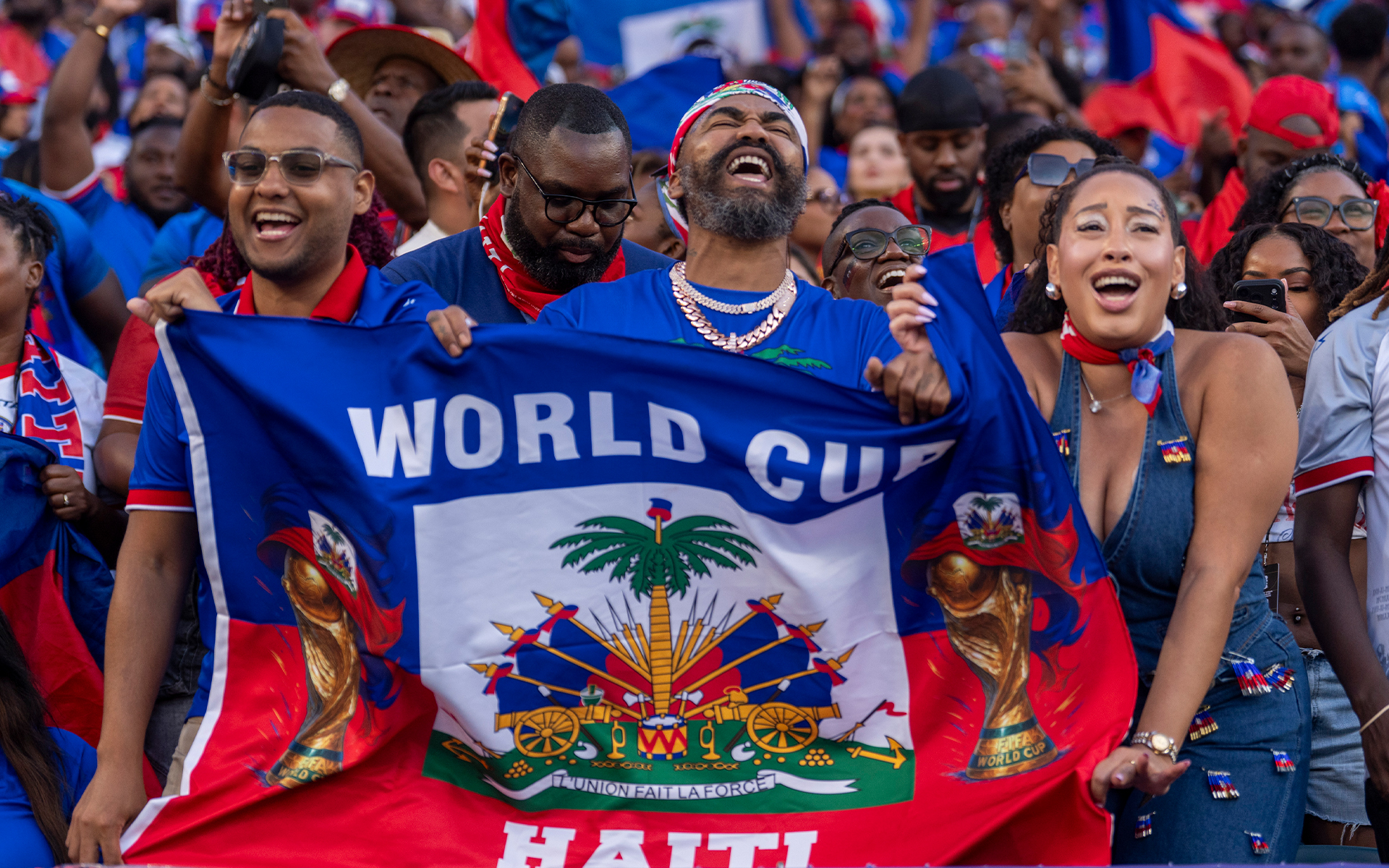
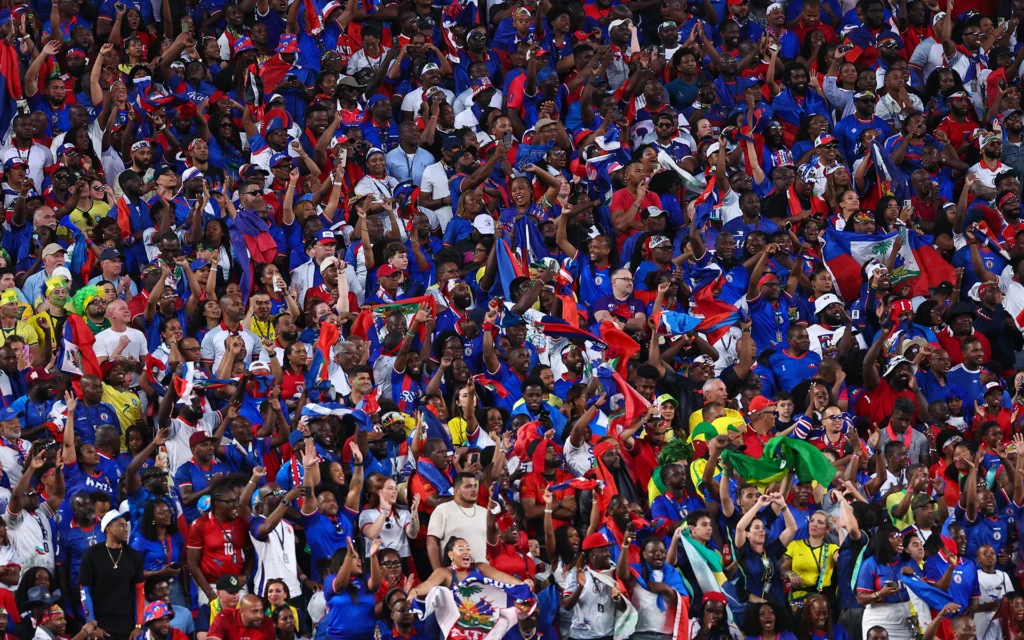
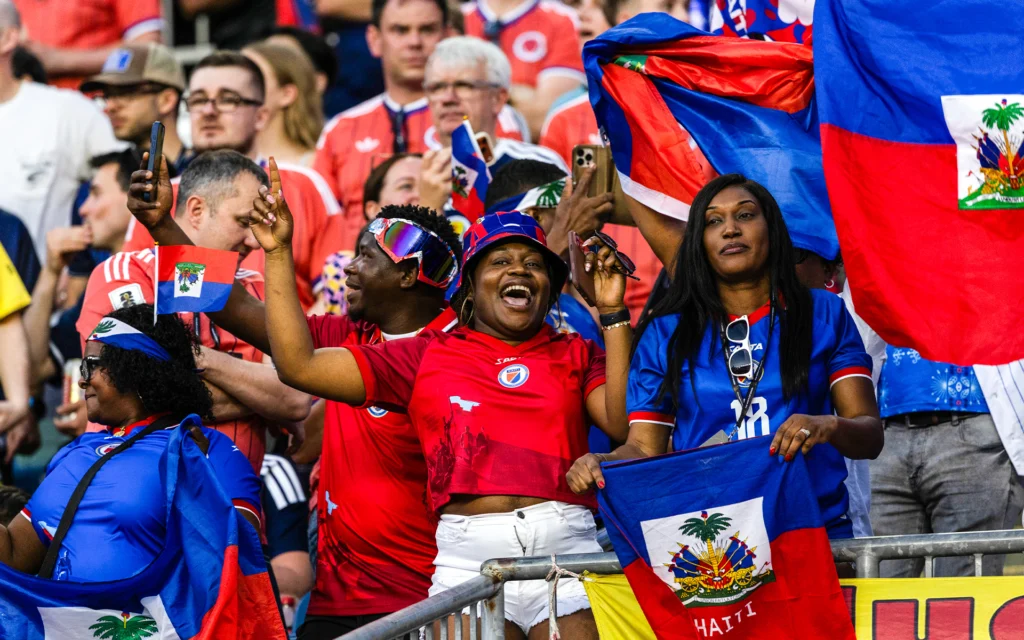
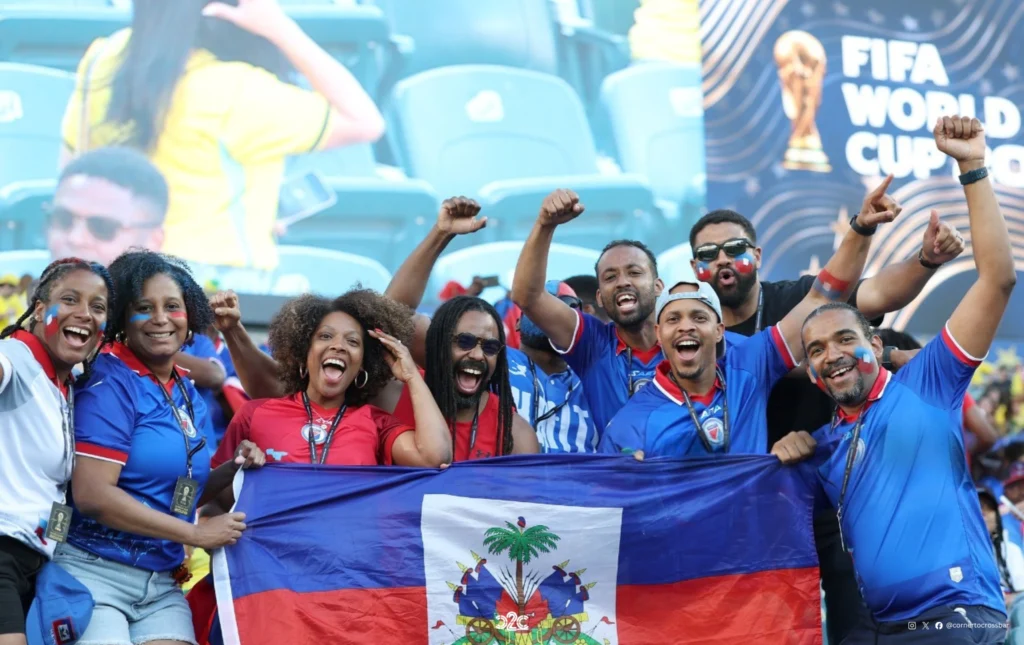
The morning sun cut through the steel framework of the arena in Philadelphia. The air felt heavy with anticipation. Thousands of fans dressed in brilliant shades of crimson and deep blue filled the seats. They did not travel across oceans expecting an easy, calculated victory. They did not come to debate tactical spreadsheets or dissect modern possession metrics. They came to witness a moment that was over half a century in the making. They came to watch their beloved country step onto the grandest stage in human history.
When the players finally walked out of the dark tunnel, the stadium dissolved into pure emotion. The opening notes of the national anthem floated into the summer sky. In that singular moment, time stood perfectly still.
Players held their hands tightly over their hearts. Heavy tears streamed down the faces of grown men in the crowd. The scoreboard read 0-0, but a massive victory had already been achieved before the ball was kicked.
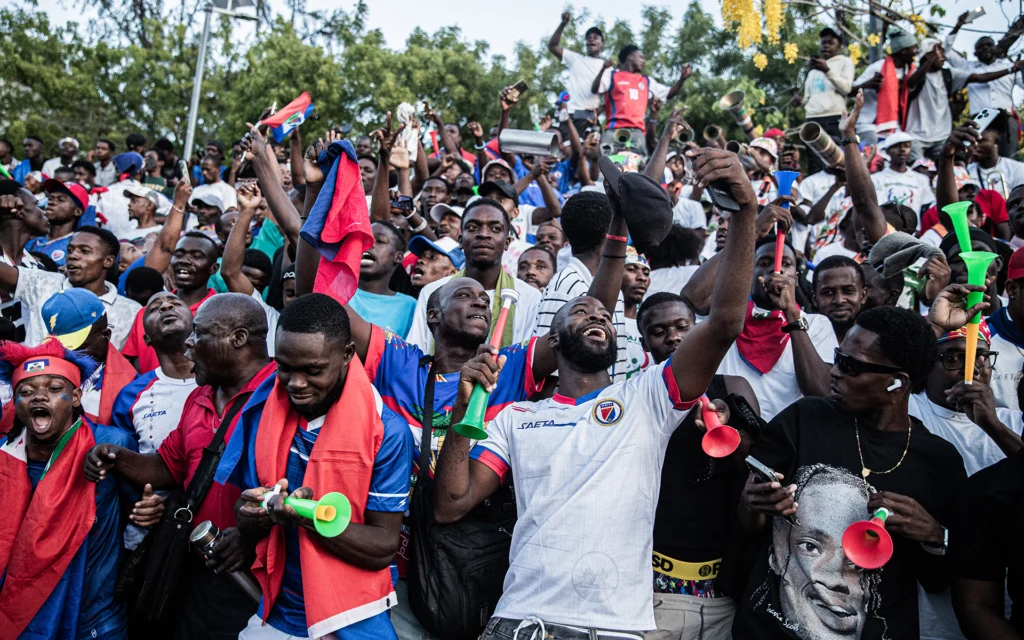
The Haiti 2026 World Cup journey is a love letter to the beautiful game. It is a striking reminder that football belongs to the people who suffer for it, dream of it, and use it to survive. For ninety minutes, a country pushed aside decades of invisible struggles. They united under a single banner, forcing the global community to watch them play with absolute dignity.
How Football Brought Haiti Together
For too many years, the global news cycle has viewed Haiti through a single, painful lens. The international media exclusively focuses on stories of natural catastrophe, political instability, and social crisis. The true beauty of the culture is often pushed into the deep shadows. The resilience of the people is reduced to a standard tragic narrative.
This tournament changed the script entirely. It offered a stunning counter-narrative of triumph, unity, and absolute joy. It showed how football brought Haiti together when everything else threatened to pull them apart.
“For ninety minutes, we were not a headline about a crisis. We were a nation playing football on the biggest stage on earth.”
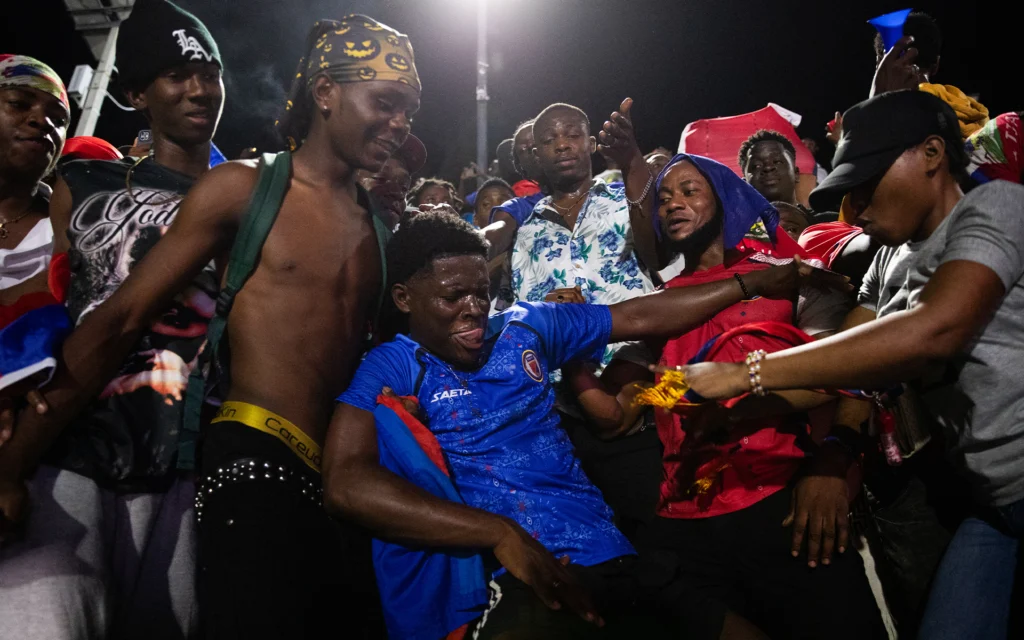
For one beautiful morning, the eyes of the entire world were on Haiti for a completely different reason. The global audience saw a team of disciplined, passionate athletes fighting for their families. They saw a stadium filled with joyful music, rhythmic dancing, and unbreakable national pride. The tournament gave the next generation of Haitian children a completely new set of heroes. They no longer have to wear the jerseys of foreign superstars. They can wear the red and blue with pride.
The team forced the world to look at them with absolute respect. They proved that a country cannot be defined merely by its difficult days. By competing with dignity, they rewrote their global identity on the grass. The sheer joy in the stands washed away the heavy exhaustion of the past. It was a moment of pure collective healing, proving that sport can mend wounds that politics cannot touch.
Beyond the Scoreline: The Brazil vs Haiti 3-0 Reality
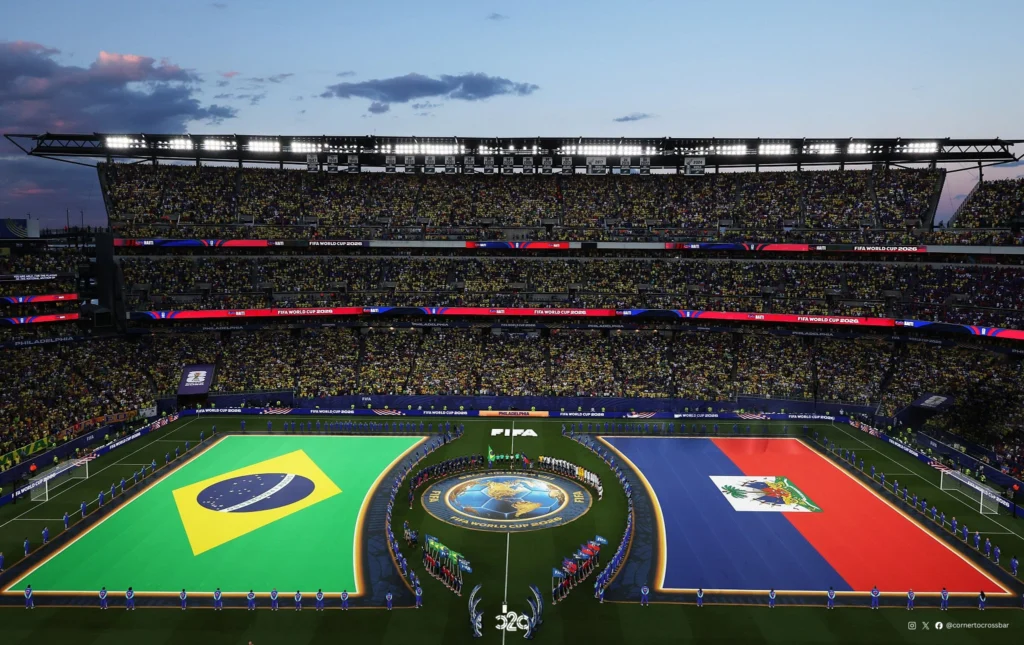
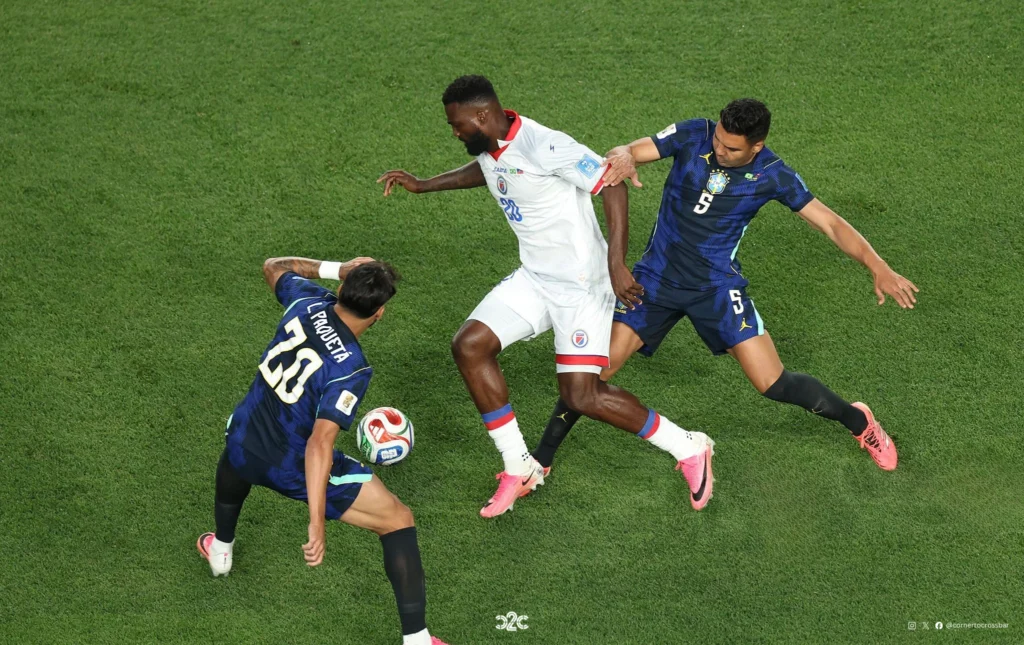
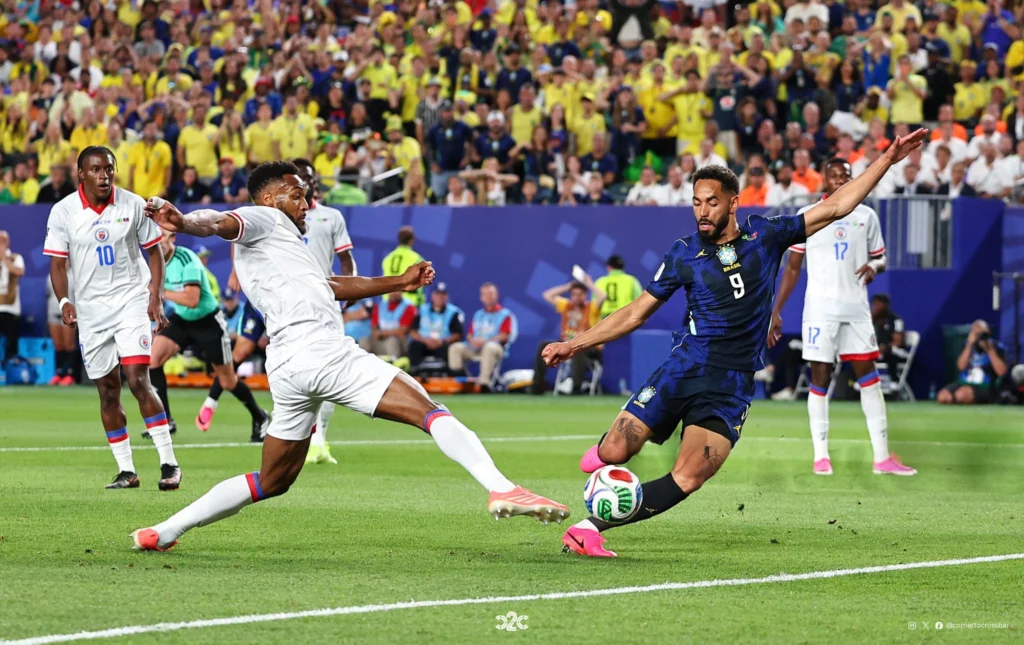
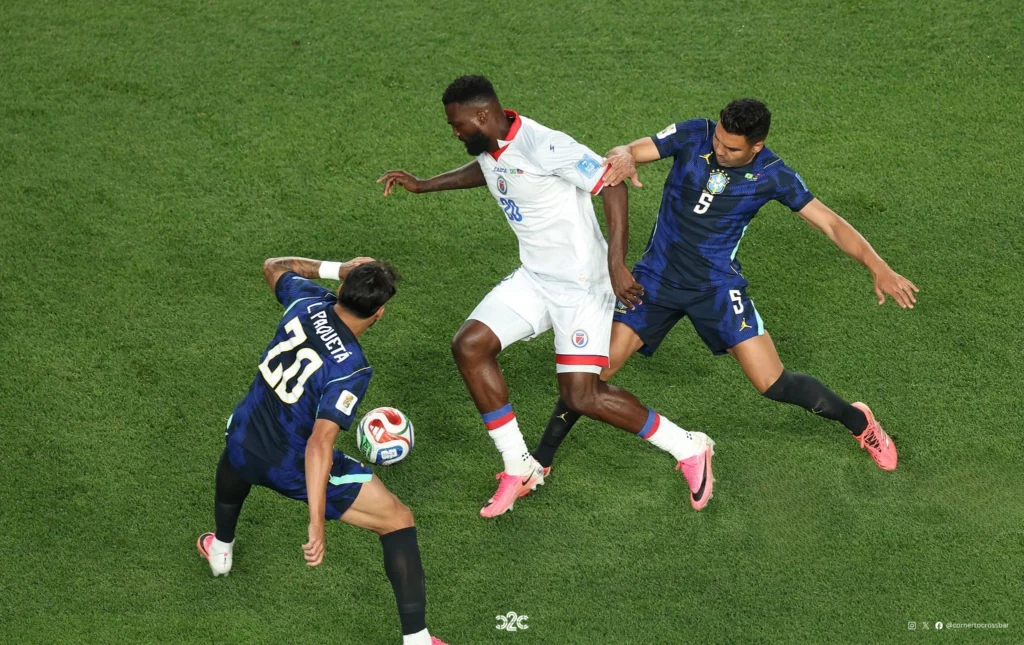
The physical reality of the match was undeniably difficult. Brazil is the eternal superpower of international football. Their squad is an assembly line of hyper-expensive talent, playing for the richest super-clubs on earth. They moved the ball with their signature, effortless rhythm under the bright lights of the Philadelphia Stadium.
The opening half showed the massive gap in footballing economics. Matheus Cunha struck first, finding space in the box to score two clinical first-half goals. Later in the match, Vinícius Júnior added a spectacular third goal to round out the scoring. The final Brazil vs Haiti 3-0 scoreline gave the traditional sports networks exactly what they wanted. It kept Brazil at the top of the group standings. It provided clean highlights for the evening news.
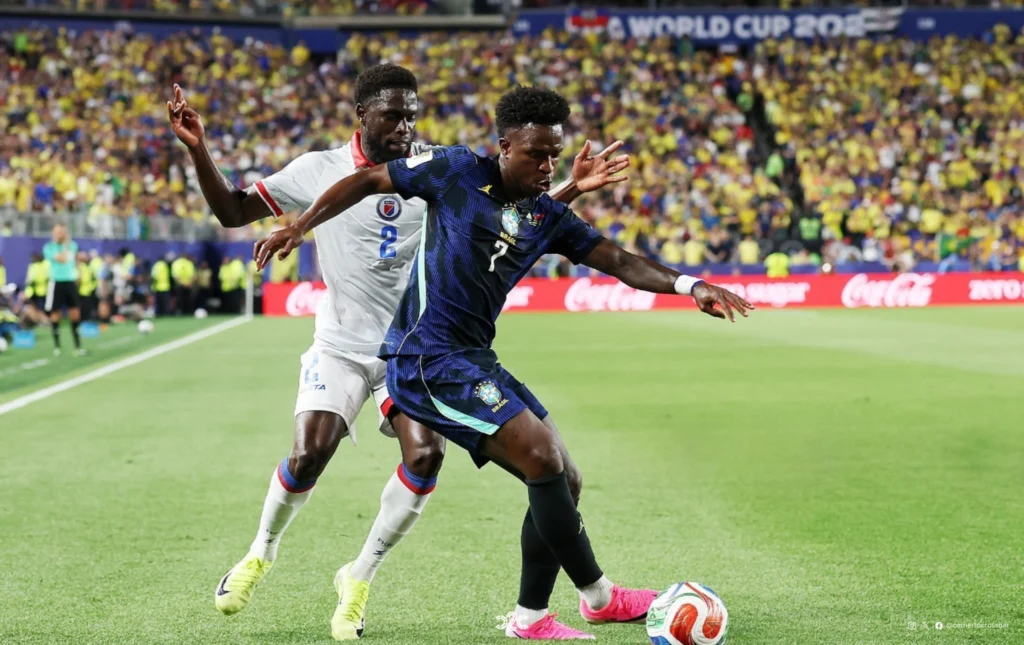
But the scoreline tells you absolutely nothing about the actual match. It completely misses the heart of the story.
Haiti did not play like a team that was destined to fail. They fought for every single blade of grass. They threw their bodies into desperate tackles. They tracked back with exhausting energy. Veteran goalkeeper Johny Placide stood like a fortress between the posts. The 37-year-old captain commanded his penalty box with furious passion. He launched his body through the air to deny world-class strikers. He made reflex saves that brought the entire stadium to its feet. He showed the world the true definition of a leader.
Every time Brazil attacked, Haiti answered with pure, unfiltered grit. They did not retreat into a cowardly shell. They pushed forward when they had the ball, trying to create their own magic. They played with a level of bravery that forced the Brazilian superstars to respect them. When the final whistle blew, the Brazilian players did not celebrate wildly. Instead, they rushed to shake hands with the Haitian players. They recognized the immense spirit of their opponents. The defeat was factual, but the performance was entirely honorable.
A 52-Year Wait: The Return from the Haiti 1974 World Cup
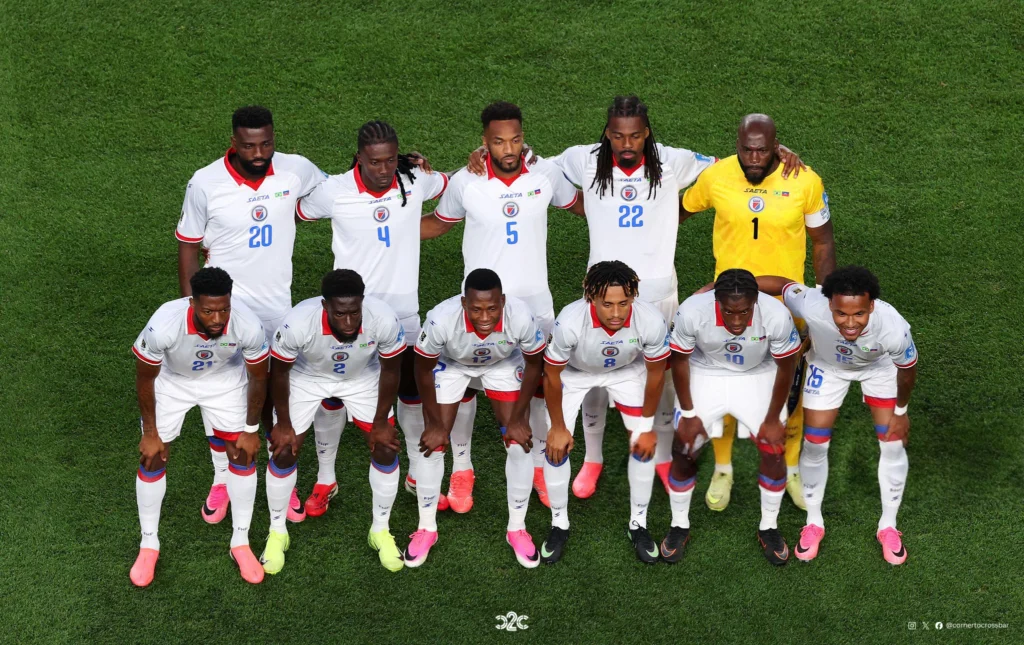
To truly understand the weight of this morning, you must travel back in time. You have to look deeply into the pages of the Haiti national football team history. Before this historic summer, the island’s only appearance on this stage occurred during the famous 1974 tournament in West Germany.
That vintage squad became legendary. A player named Emmanuel Sanon scored a shocking goal against the legendary Italian goalkeeper Dino Zoff, breaking a historic clean sheet record. It was a beautiful moment that was etched into the soul of the country. For a brief moment, the world stopped to look at the tiny Caribbean nation with absolute awe.
Then came the silence. The Haiti 1974 World Cup return took over half a century to materialize.
For fifty-two long years, generations of Haitian football fans grew up on old stories. They watched the World Cup on television, cheering for other countries because their own flag was missing. The road back to the tournament was blocked by immense challenges. The national federation lacked the infrastructure of their wealthy peers. The players had to travel across the globe, enduring difficult qualifying matches on rough pitches under intense pressure. They faced heartbreak after heartbreak in the final rounds.
That is why the Haiti World Cup debut 2026 moment feels so deeply sacred. The 52-year wait was not just a numbers statistic; it was a lifetime of longing. The players who took the pitch in Philadelphia were not even born when Sanon scored in Munich. They grew up hearing the myths of 1974. By stepping onto the grass against Brazil, they finally closed the gap between the past and the present. They broke the long curse of the “almost men.” They proved that history is a living document, and they finally wrote their own glorious chapter.