The Visual Memory of South Africa 2010
Anyone who watched football during the summer of 2010 carries the same visual memory. It was the tournament of buzzing vuvuzelas, freezing South African evenings and the unpredictable flight of the Jabulani. Yet on the pitch, the tournament was defined by an unmissable clash of two colours: Metallic Mach Purple and fluorescent Total Orange.
Iniesta, Sneijder and a Defining Boot Era
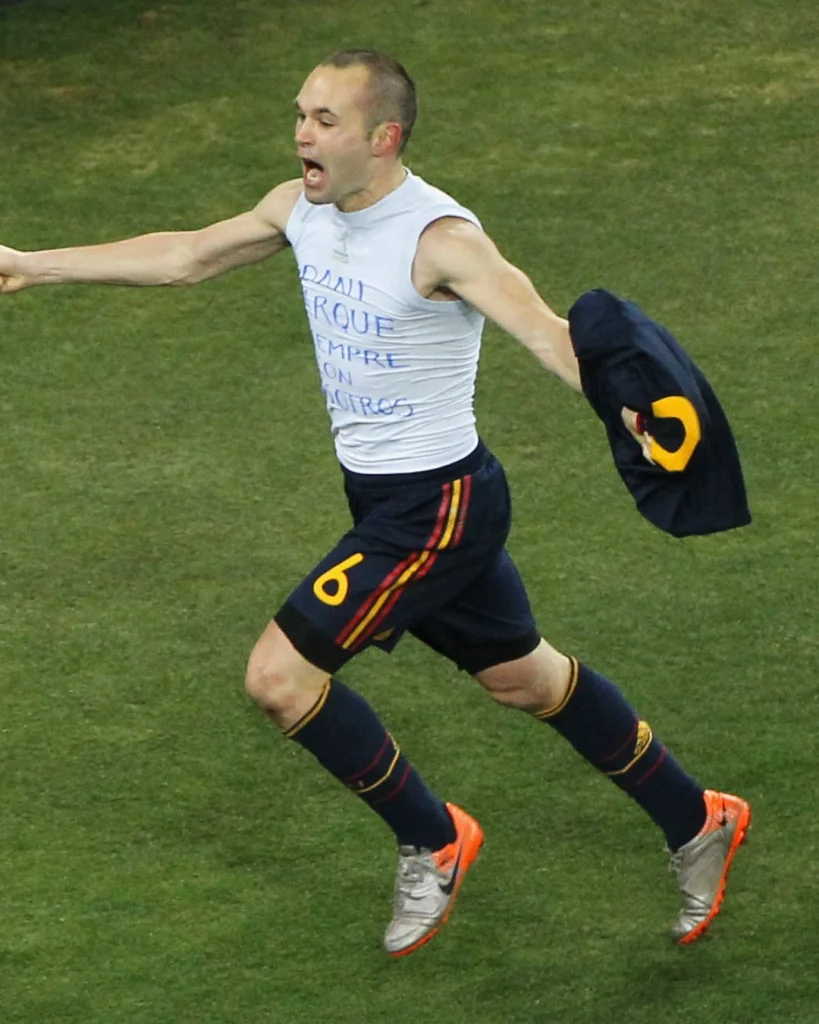
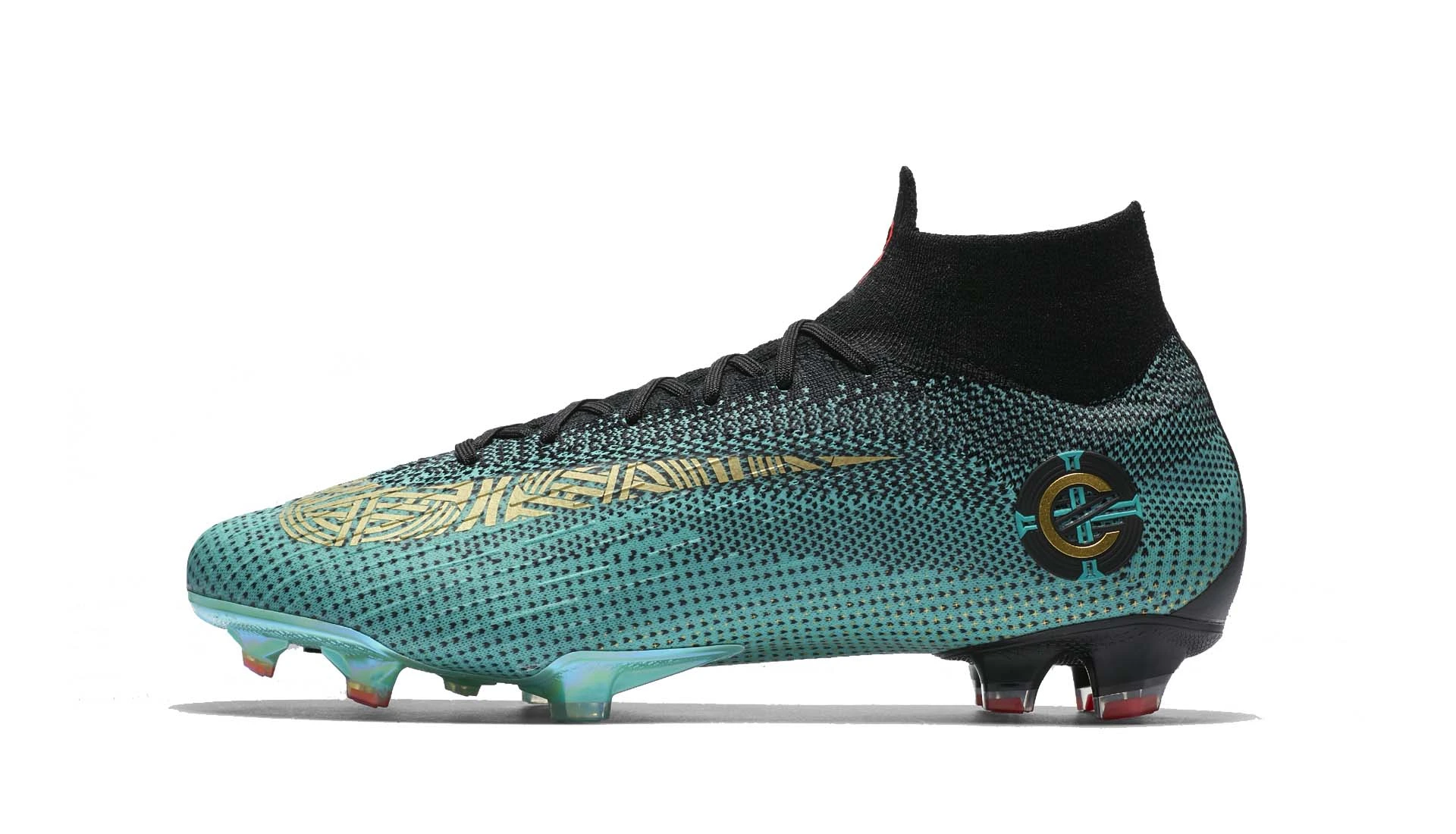
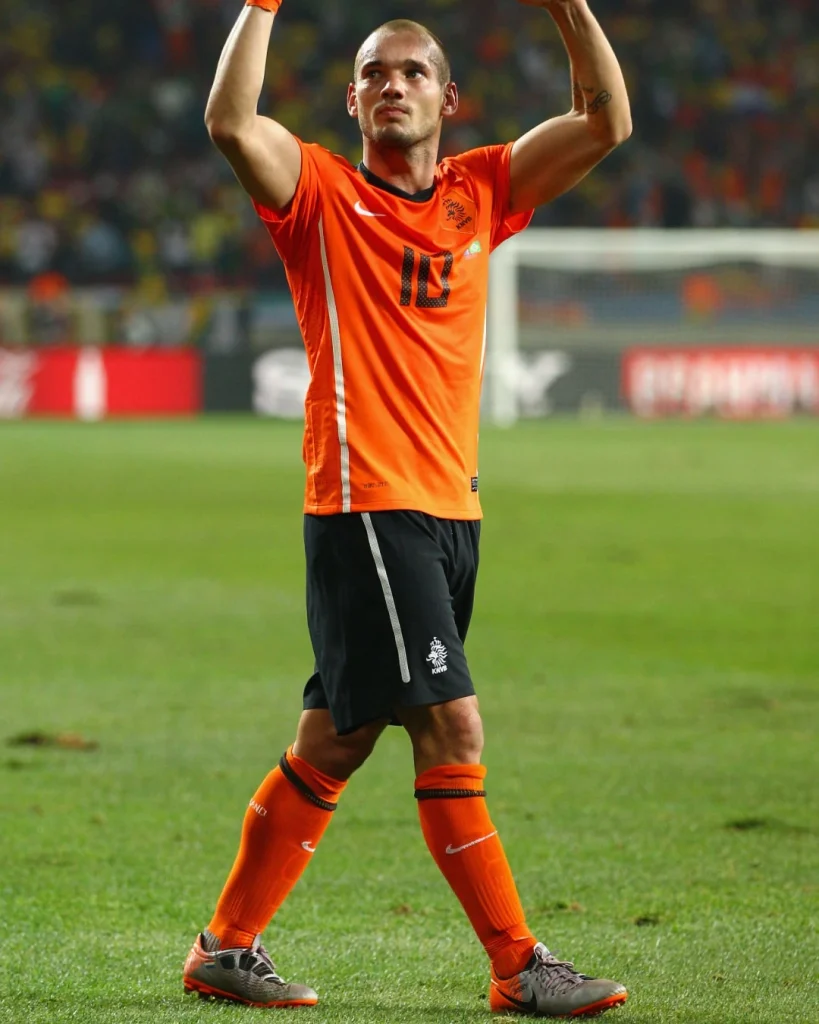
Sixteen years later, that palette remains burned into the memory of a generation. It was the summer Andrés Iniesta dropped his shoulder at Soccer City, driving a low strike past Maarten Stekelenburg in the 116th minute to win the World Cup for Spain. On his feet were the CTR360 Maestri. Wesley Sneijder had spent the preceding month dictating games for the Netherlands in the Total 90 Laser III, while Cristiano Ronaldo led Portugal wearing the Mercurial Superfly II.
The Birth of the Unified Tournament Pack
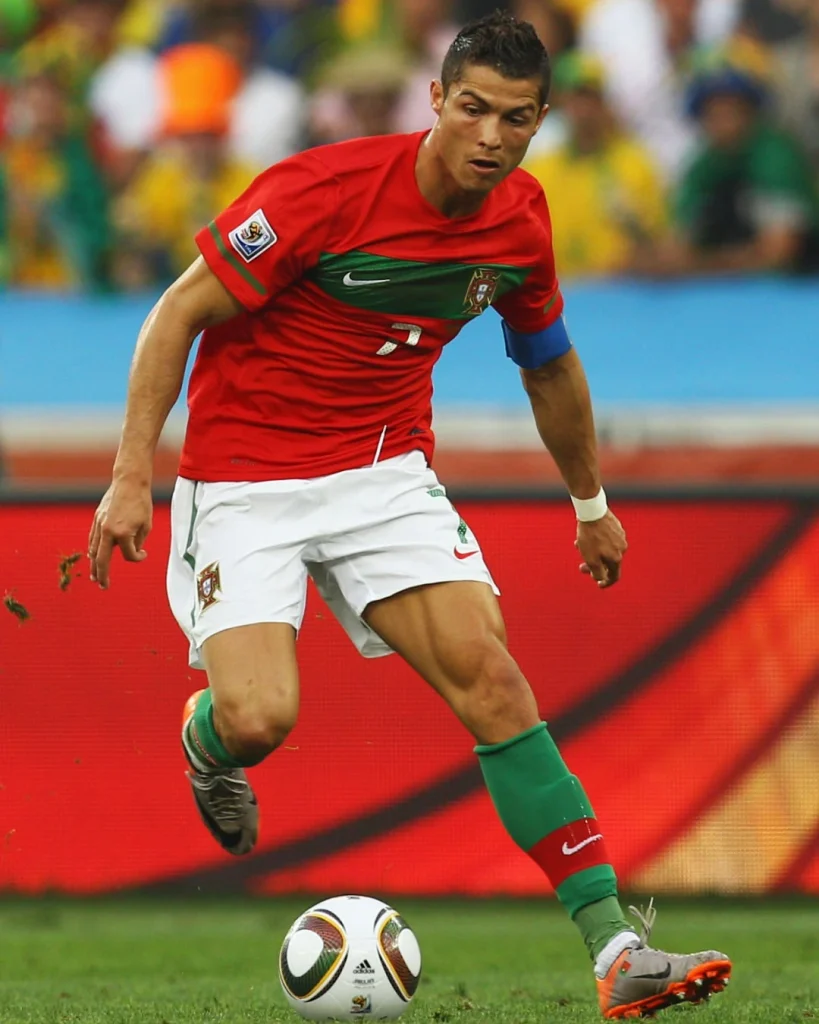
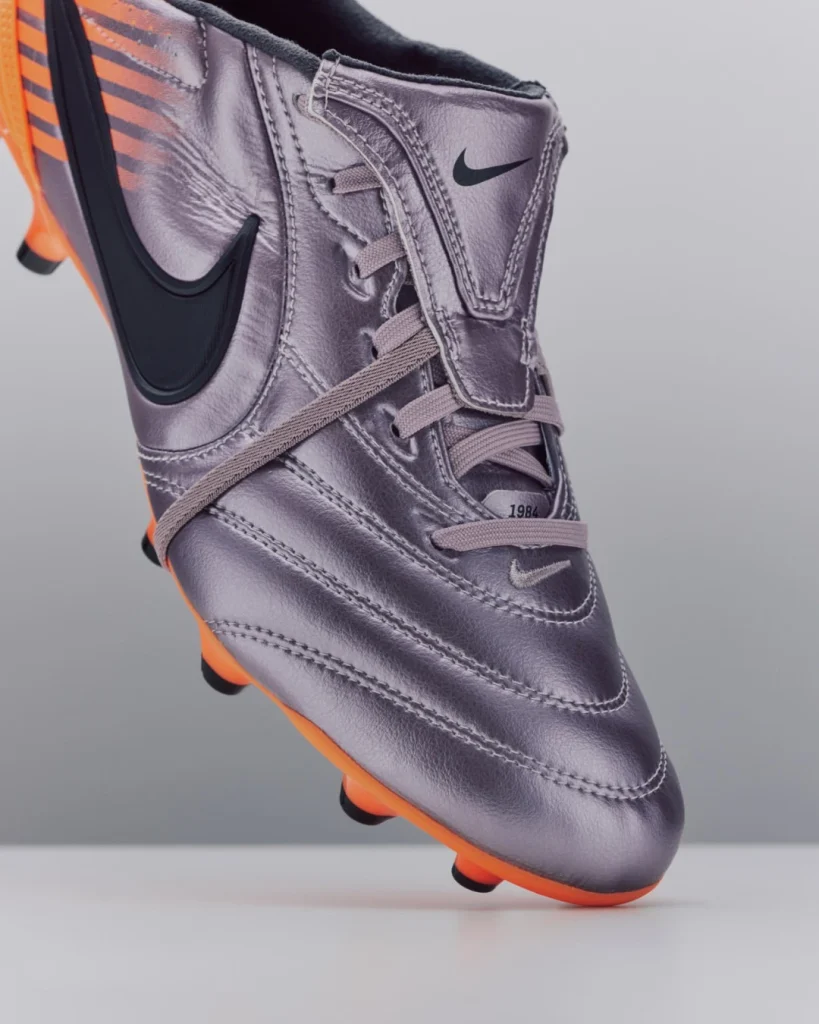
Before South Africa, major tournament collections were often disjointed. Brands let players pick whatever colourway suited their personal preference or club contract. With the 2010 Elite Series, Nike changed that approach entirely, unifying all four of its boot silos under a single high-contrast livery. The purple forefoot blended into green grass, while the bright orange heel counter popped in peripheral vision. More importantly, the boots looked striking on television.
Extreme Exclusivity and Carbon Fibre
In 2010, the Elite Series was an exercise in extreme exclusivity. Every boot featured a full-length carbon-fibre soleplate to shed weight, pushing retail prices to unprecedented levels. They were luxury items built strictly for elite international competition.
Avoiding the Modern Collector Trap
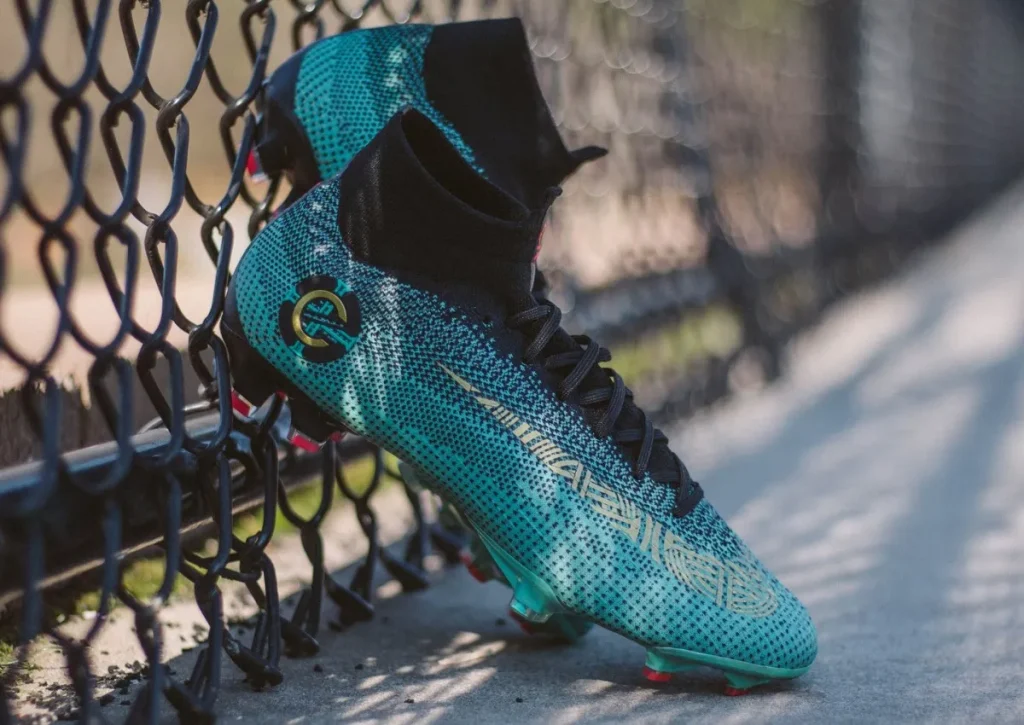
When modern football brands look back at that era, they almost always reach for the collector market. The standard formula is predictable: build a limited-run remake of an original flagship, produce a few thousand numbered pairs, price them north of £250, and watch them disappear into display cabinets. Almost none of those boots ever touch a pitch.
Mapping Elite History onto Accessible Silos
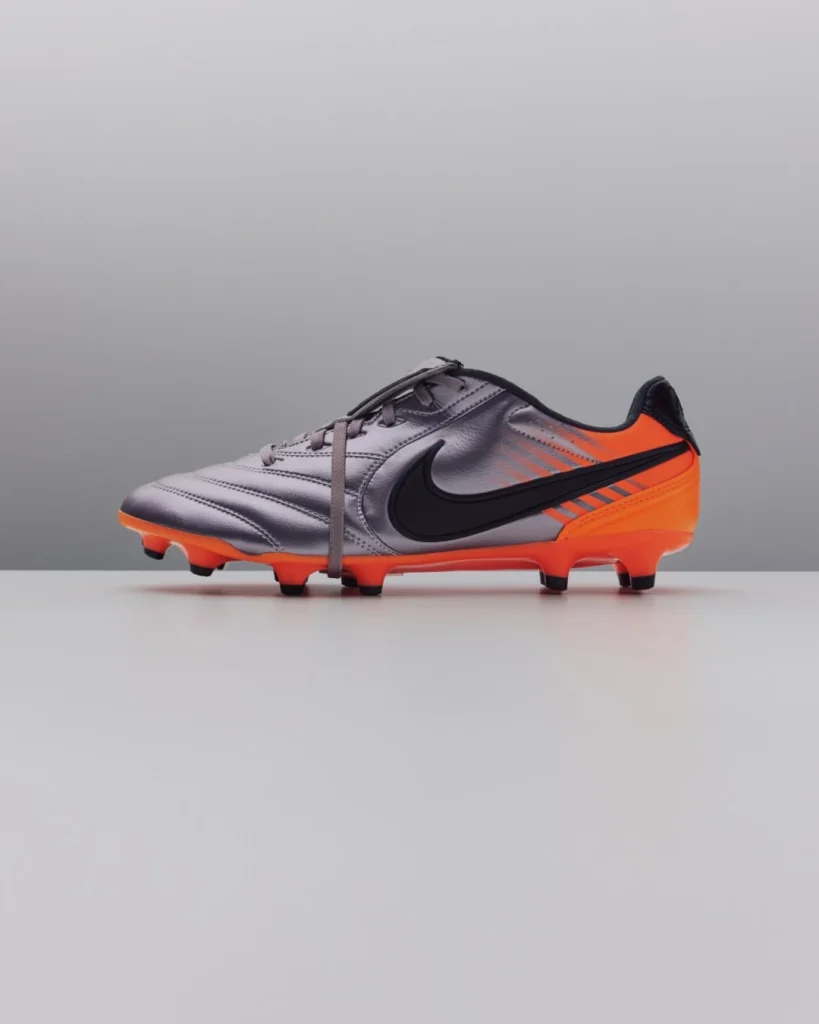
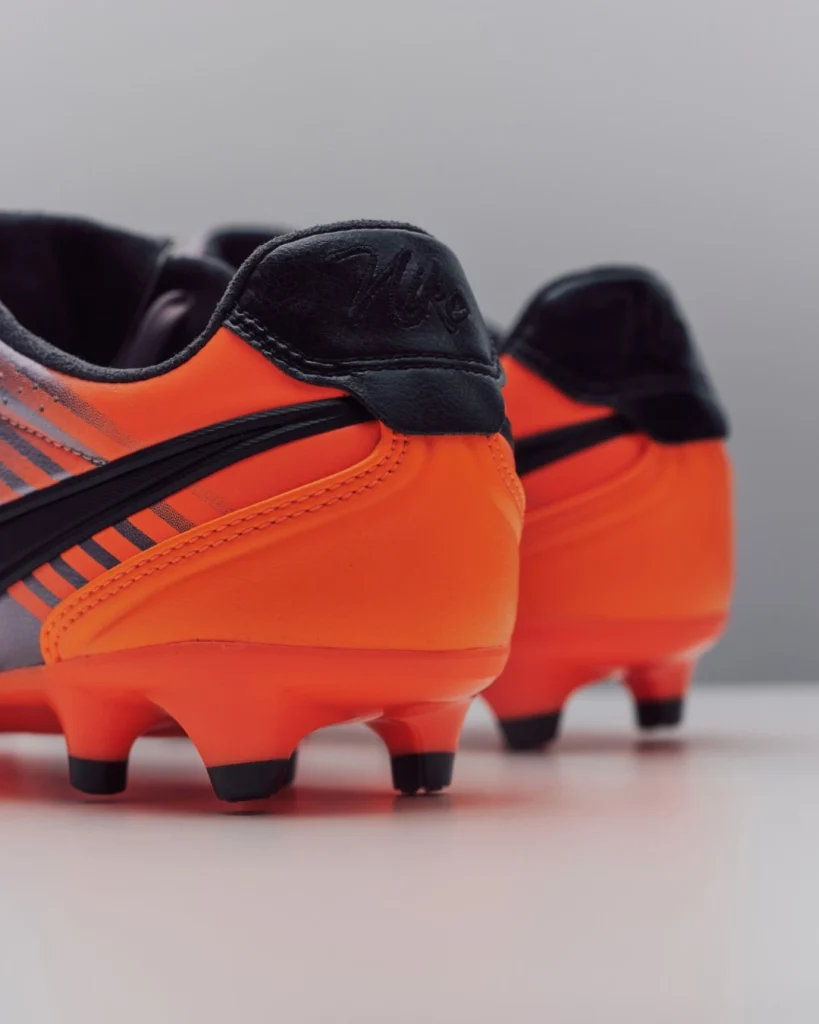
This time, Nike avoided that route. Instead of rebuilding a carbon-plated Superfly II or a CTR360 Maestri for collectors, Nike applied the Mach Purple and Total Orange palette to the Tiempo Ligera Pro and the small-sided Streetgato PRM.
The Tiempo Ligera Pro: A Grassroots Canvas
The Tiempo Ligera Pro is an unapologetic grassroots boot. It exists for wet Tuesday evening training sessions, Sunday league matches on uneven grass, and players who want reliable synthetic leather without spending a week’s wages. Dressing it in South Africa’s signature colours instantly changes its personality. The TechLeather forefoot carries that familiar metallic sheen, while the rear quarter provides the sharp orange contrast.
The Return of the Fold-Over Tongue
Nike also added a deliberate nod to boot purists. The firm-ground version of the Ligera Pro features a classic fold-over tongue. Fold-over tongues have practically vanished from modern top-tier match boots, replaced by one-piece knit collars and tight compression sleeves. Bringing the tongue back on a mid-tier boot gives the Ligera a physical connection to retro football culture that pure colour alone cannot achieve.
The Streetgato PRM Enters the Cage
Alongside the Ligera sits the Streetgato PRM. While the 2010 originals were engineered for pristine World Cup surfaces, the Streetgato is built for concrete cages, asphalt playgrounds and indoor courts. Its construction reflects that environment, pairing a Mach Purple suede upper with breathable mesh panels and a flat gum-rubber outsole.
Subverting International Marketing
Transferring a World Cup final palette onto a street shoe strips away the self-importance of international tournament marketing. It takes colours designed for the biggest stadium in Africa and drops them into small-sided five-a-side games under floodlights.
Nostalgia Built for the Pitch, Not the Shelf
There is something honest about this approach to nostalgia. The 2010 World Cup belongs to players who were kids or teenagers during that tournament, watching matches on summer holidays and trying to bend the Jabulani in local parks. They do not need pristine collector boots sitting in acrylic boxes. By skipping the elite flagship reissue and delivering the colours on the Ligera and Streetgato, Nike has allowed the memory of 2010 to go back to where most people actually play.