
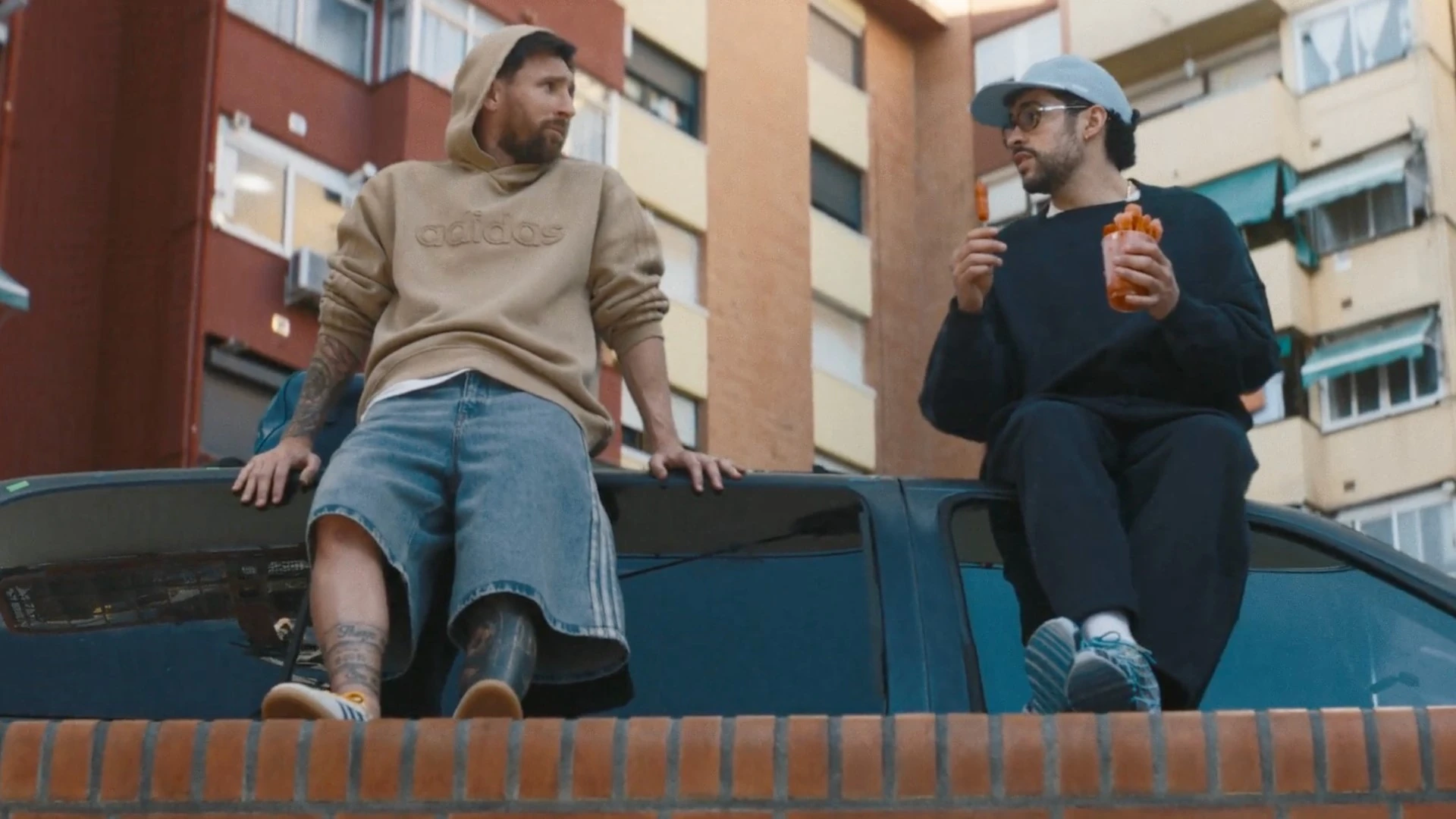
If you want to understand exactly why the modern football machine sometimes feels completely broken, look closely at the faces of the players walking out of the tunnel at the World Cup. They rarely look like guys about to play a game they love. They look like men walking to the gallows. The crushing weight of the billion-dollar stadiums, the endless sea of cameras, the suffocating expectations of entire nations, it paralyzes them.
Adidas looked at that terrifying pressure cooker and decided to do something completely insane. For the 2026 World Cup, they didn’t make another sterile, slow-motion commercial about lifting a golden trophy under artificial floodlights. They spent £50 million to take the biggest, most commercialized sport on the planet and throw it straight back into the dirt.
They built the “Backyard Legends” campaign. And before the first whistle of the tournament has even been blown, that £50 million gamble has already generated a staggering €250 million in product sales.
Pull up a stool, because this isn’t just a story about a cool video going viral. This is the story of how a brand realized that the only way to save the soul of the World Cup was to remind everyone how it feels to play without the weight of the world on your shoulders.
The whole film is built around a brilliant, ridiculous piece of street mythology. It introduces us to Clive, Ruthie, and Isaak, a fictional, legendary local trio who have supposedly been running their cracked, overgrown backyard pitch without losing a single game since 1996. They are the undisputed, heavy-handed rulers of the concrete.
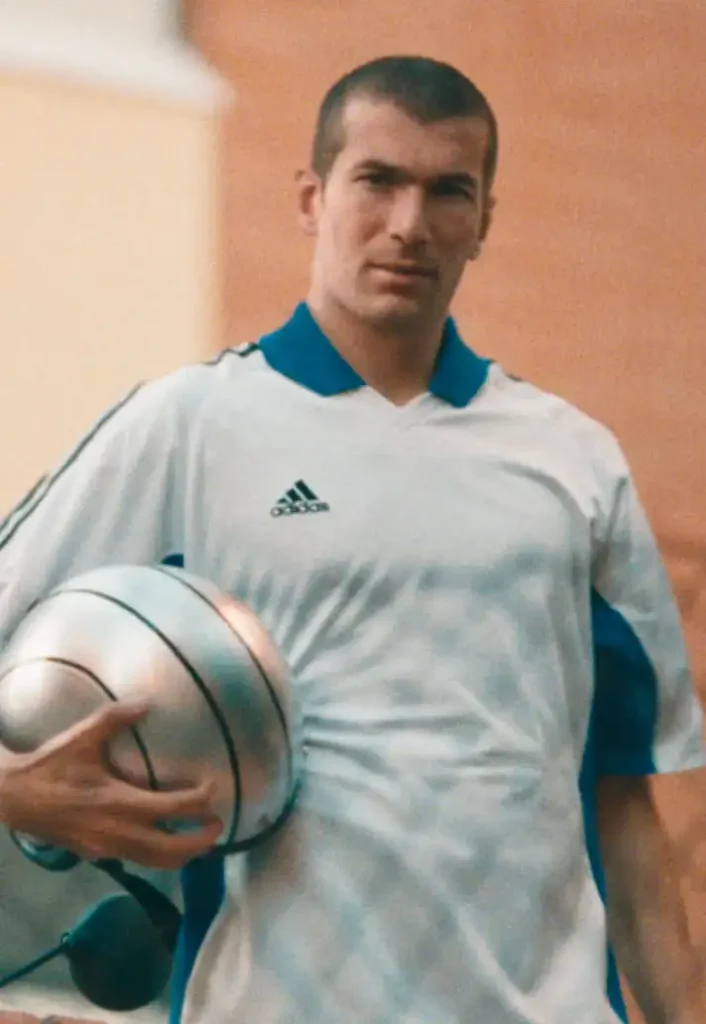
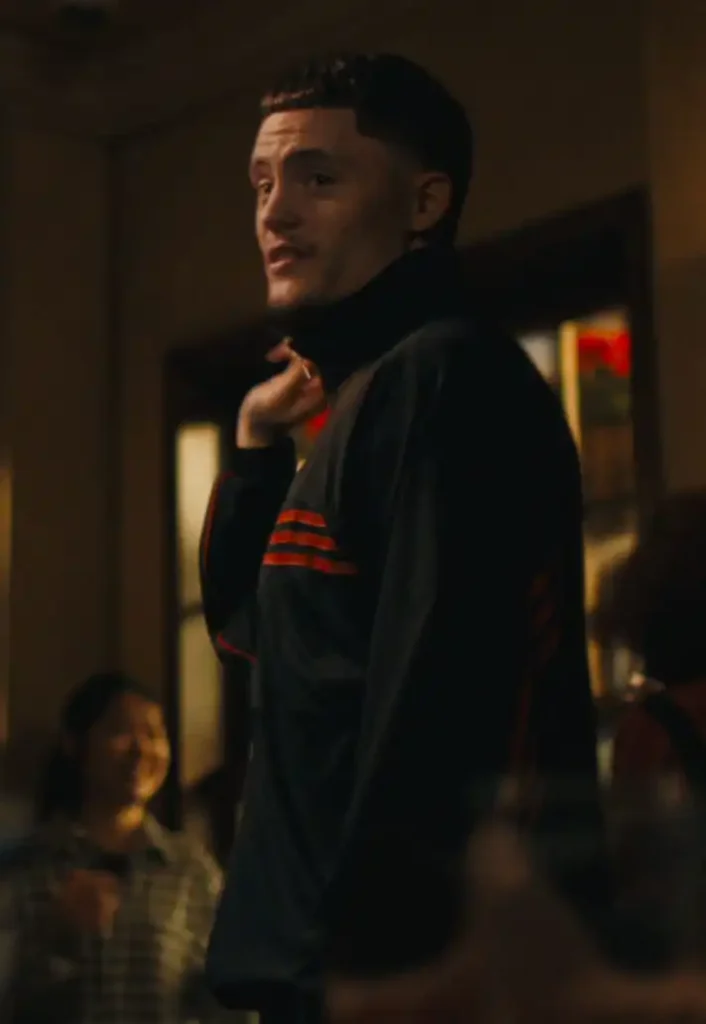
Enter Timothée Chalamet. He’s not just a Hollywood actor cashing a check here; he’s the narrator and the ultimate football romantic. He actually grew up playing at Pier 40 in New York City, scraping his knees on the artificial turf, pretending to hit volleys like Zinedine Zidane and bend free-kicks like David Beckham. In the film, Chalamet decides to build a modern dream team to finally dethrone this neighborhood cartel.
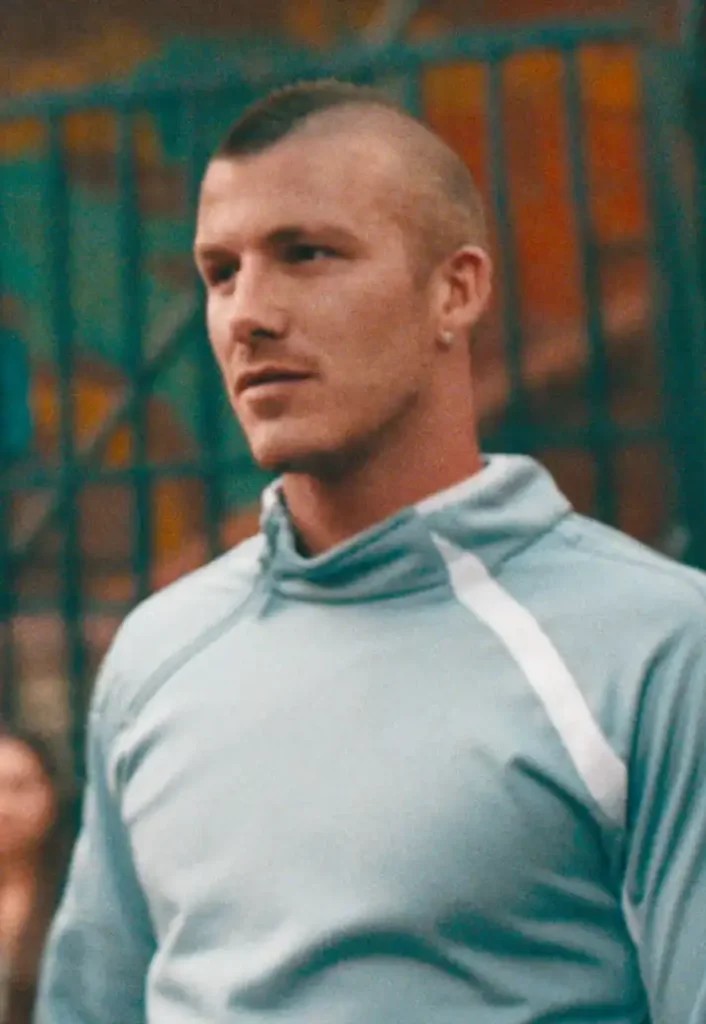
He calls in Lionel Messi. He brings in Jude Bellingham, Lamine Yamal, Trinity Rodman, and Bad Bunny. But the local trio doesn’t flinch. Because the legend goes that they’ve already sent the absolute gods of the 90s packing. And then, right there on the screen, through some terrifyingly flawless CGI, you see them. A digitally de-aged Beckham, Zidane, and Alessandro Del Piero, looking exactly like they did when they owned the world, stepping onto the cracked pavement.
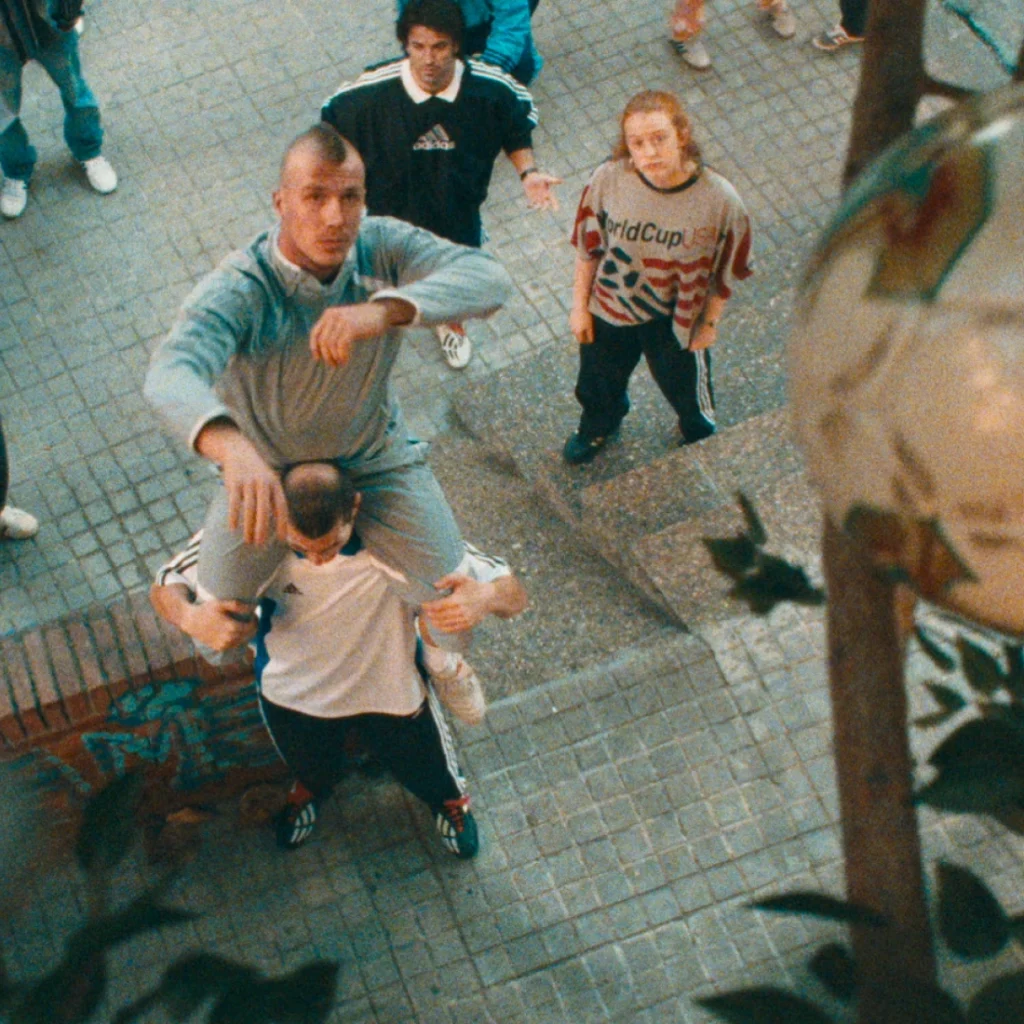
It hits you right in the gut. It’s a massive, intoxicating dose of 90s nostalgia mixed with modern streetwear, retro haircuts, and heavy gold chains. It is a pure, unadulterated love letter to the street game.
But don’t let the romance fool you. Behind the baggy vintage shirts and the analogue cameras, this is the most ruthless, heavily calculated marketing strike of the modern era.
The traditional playbook for World Cup marketing is dead. You can no longer just pay a famous guy millions of dollars, film him running in a shiny new stadium, and watch the sales roll in. People see right through the plastic. adidas completely ripped up that script and replaced it with cultural alignment.
They realized that mixing pure, unfiltered nostalgia with massive cultural icons creates a financial earthquake. The data proves it: nostalgia campaigns naturally lift sales by 23% and make the content far more likely to go viral. Then you throw Bad Bunny into the mix. This isn’t just about him looking cool leaning against a chain-link fence. The man is a verified financial powerhouse. When he showed up to the Super Bowl wearing adidas gear, he drove $1.6 million in brand value just by standing there.

But the real secret weapon here isn’t the data or the celebrity ROI. It’s the undeniable authenticity. You cannot fake the dirt. Adidas could digitally de-age David Beckham because Beckham actually bled in the three stripes. He built his entire legacy wearing the Predators. When the brand tells you that greatness starts in cages, parking lots, and dusty backyards, you believe them, because that is the exact history they own.
Adidas has actually been setting this trap for months. Back in November, they dropped La Preparación Americana, a bizarre, brilliant short film showing stars doing wild, unconventional training, like Lamine Yamal riding a mechanical bull or Messi bowling in a neon alley. They were already deliberately moving away from the sterile, ultra-serious side of the sport and leaning heavily into entertainment, humor, and raw culture.
The entire “Backyard Legends” campaign is built on a brutally simple message: “You got this.”
Florian Alt, the brand’s VP of global communications, said it straight. They know the athletes are crushed by the expectations of the modern game. This film is a desperate, beautiful attempt to disarm that pressure. It is a reminder that the pitch, whether it’s a billion-dollar coliseum in Dallas or a chain-link cage in your neighborhood, is exactly the same piece of geometry. It is an equal ground for chaos, creativity, and expression.

When you watch the film, you don’t feel like a consumer being sold a pair of boots. You feel like a kid again. You remember what it was like to play football just for the absolute, unadulterated joy of it, long before the world told you it had to be a serious, stressful business.
That is why “Backyard Legends” is a masterpiece. It proved that in an era obsessed with perfection, algorithms, and corporate sterility, the most valuable thing on the planet is still a scuffed ball, a patch of concrete, and the freedom to just play.