Why Your Football Boot Soleplate Matters
Walk into a dressing room on a Sunday morning, and listen to how players talk about their footwear. You will hear heated debates about laceless collars, the benefits of premium kangaroo leather versus ultra-thin synthetics, and complaints about the latest toxic-neon colorway. Players obsess endlessly over the upper of the boot.
Yet, the upper is merely the cabin; the soleplate is the engine room.
The soleplate is one of the most important elements of any football boot. It is the only part of the equipment that actually interacts with the pitch, dictating every explosive sprint, every change of direction, and every moment of deceleration. Despite this, a massive percentage of amateur and semi-professional players are wearing the wrong soleplate for their playing surface.
This is not just a matter of sub-optimal performance. Wearing the wrong stud configuration is a biometric hazard that routinely leads to catastrophic joint injuries and voided manufacturer warranties. If you want to survive a grueling ten-month season, you have to stop buying boots based on the aesthetics of the upper and start buying them for the chassis underneath.
The Danger of Artificial Turf: Why Wearing FG on AG Causes Injuries
You should never wear Firm Ground (FG) football boots on Artificial Grass (AG). FG soleplates feature aggressive plastic studs designed to bite into natural dirt. On artificial turf, these studs create “rotational lock,” anchoring the foot to the plastic surface. If your body twists while your foot remains anchored, the torque is transferred directly to your knee, severely increasing the risk of ACL and meniscus tears. Furthermore, wearing FG boots on AG surfaces instantly voids the manufacturer’s warranty.
The most pervasive and dangerous mistake in modern football occurs on Artificial Grass (AG) and 3G/4G pitches.
Because Firm Ground (FG) boots are the most heavily marketed and widely available models on retail shelves, players naturally default to buying them. They then take these highly aggressive FG soleplates and play on modern artificial turf.
Natural grass is designed to give way. When you plant an FG stud into a natural grass pitch and twist your body, the dirt and grass will eventually rip, allowing your foot to pivot. Artificial turf does not give way. It is a dense mat of plastic fibers atop recycled rubber crumb.
When you wear an aggressive FG chevron stud on artificial turf, you create the “rotational lock” mentioned above. The boot bites so deeply into the synthetic fibers that it becomes anchored to the pitch. When your upper body suddenly twists to track a runner, but your foot remains completely cemented to the floor, that massive kinetic torque has to go somewhere. It bypasses the ankle and transfers directly into the knee. This is precisely how non-contact ACL, MCL, and meniscus tears happen.
Does Wearing FG on AG Void Your Return?
Beyond the physical danger, wearing the wrong soleplate is a massive financial liability.
Legacy brands are entirely aware of the rotational lock issue. They know that the extreme friction of an artificial pitch will quickly degrade TPU plastics, melt glue linings, and snap FG studs clean off the baseplate.
To protect their bottom line, manufacturers bury a crucial clause in their fine print: wearing a Firm Ground boot on an Artificial Grass surface instantly voids the warranty. If you spend £250 on an elite-tier FG speed boot, take it onto a 4G pitch, and the soleplate cracks right down the middle, you have no recourse. You cannot return it. The brand will inspect the plastic scuff marks, determine you played on the wrong surface, and reject your claim.
Football Boot Acronyms Explained: SG, FG, AG, MG, TF, and IC
To protect your knees and your wallet, you must decipher the industry’s surface acronyms. BootCulture’s guide gives you all the information you need to make a truly informed choice[cite: 1], and the rules of engagement are strictly defined.
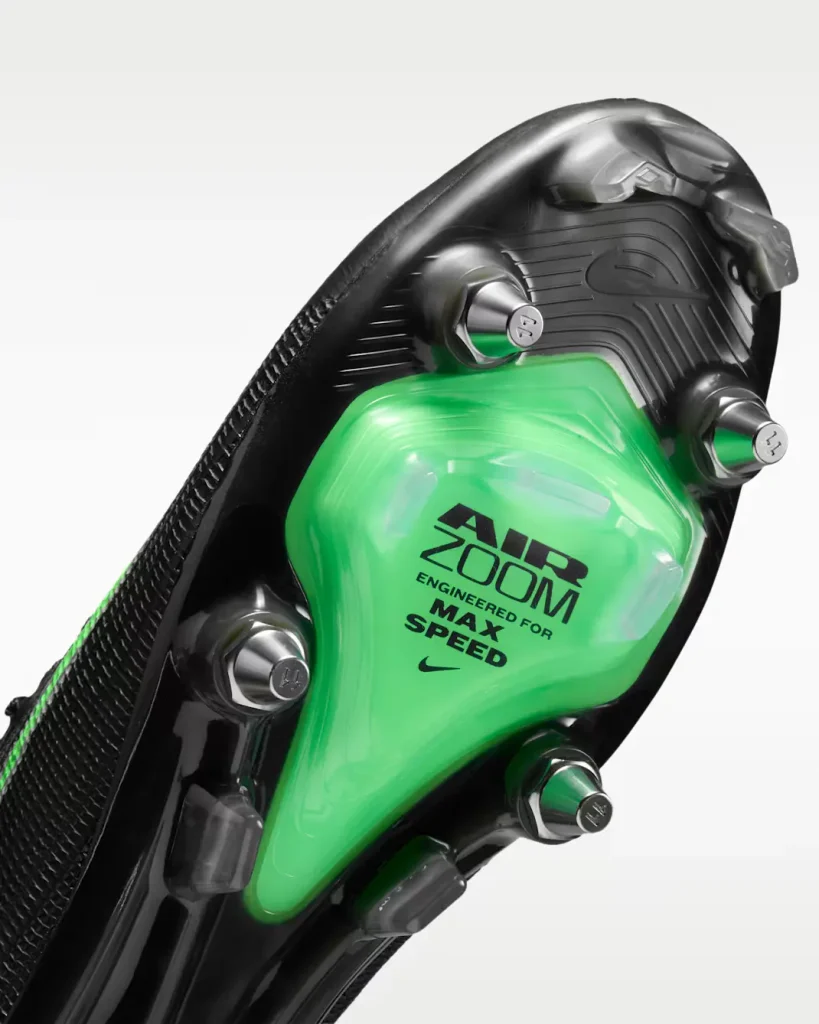
SG (Soft Ground)
- The Build: Features long, screw-in aluminum or magnesium metal studs, usually in a classic six-stud configuration.
- The Surface: Strictly for wet, muddy, waterlogged natural grass.
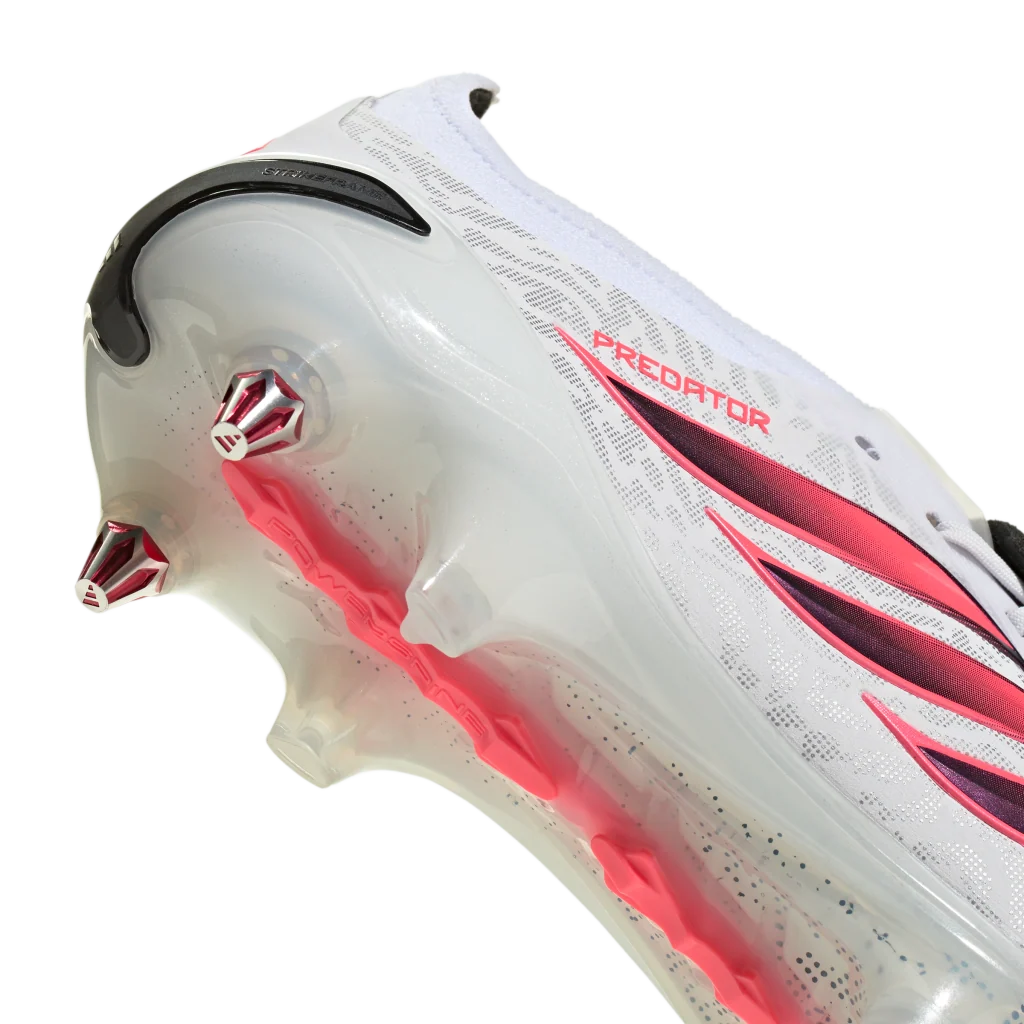
- The Verdict: Do not wear these on dry pitches unless you want the stud pressure to bruise the bottom of your feet. Absolutely forbidden on artificial turf for safety reasons.
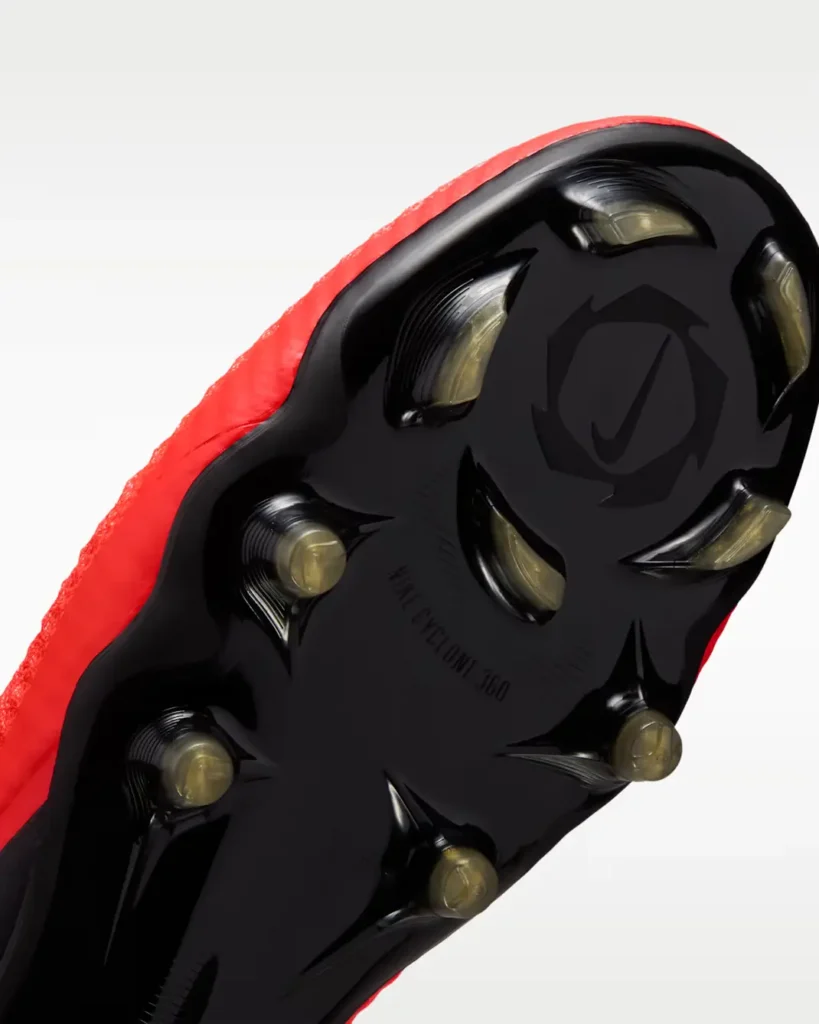
FG (Firm Ground)
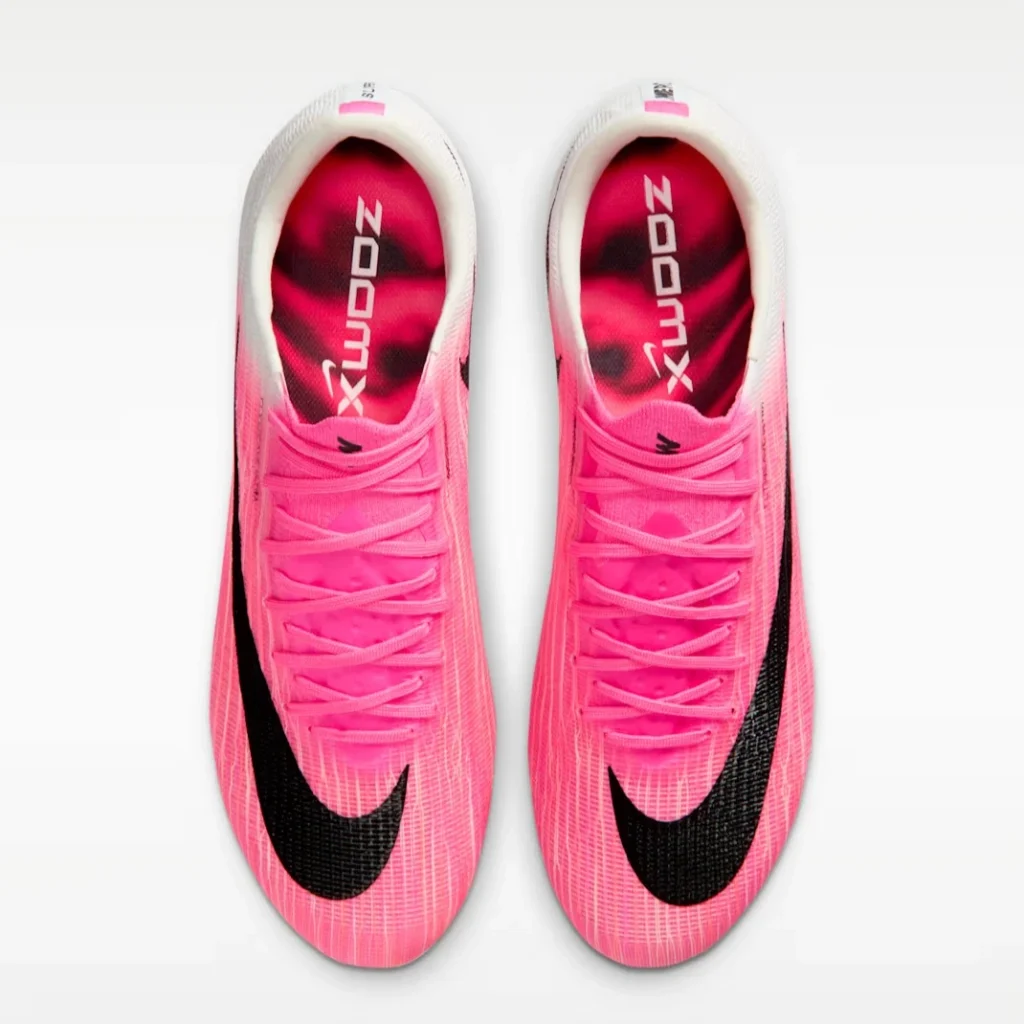
- The Build: Fixed plastic (TPU/Pebax) studs in various shapes (bladed, chevron, conical).
- The Surface: Dry or slightly damp natural grass.
- The Verdict: The industry standard, but wildly misused. Wearing these on 3G/4G pitches dramatically increases your risk of knee injuries and voids your warranty.
AG (Artificial Grass)
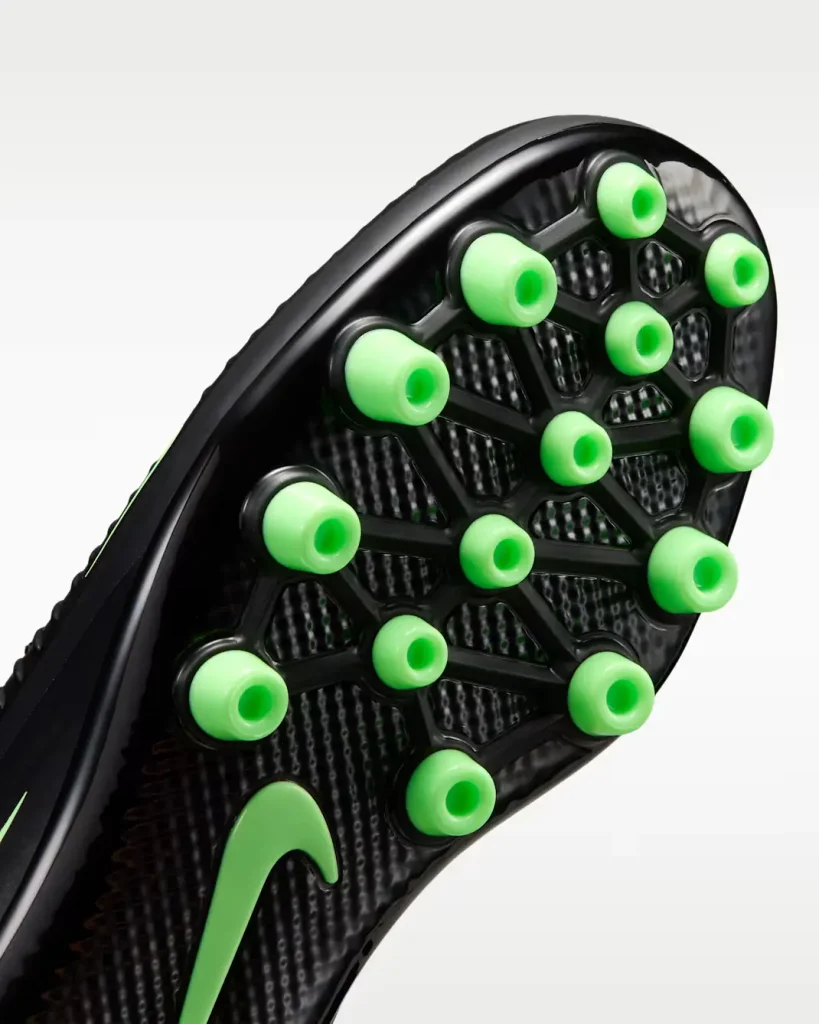
- The Build: A higher density of short, hollow, conical (round) studs.
- The Surface: 3G and 4G artificial turf.
- The Verdict: The hollow, round studs are designed to allow your foot to pivot smoothly through plastic turf without catching. If you play your winter league on an artificial pitch, this soleplate is a non-negotiable requirement.
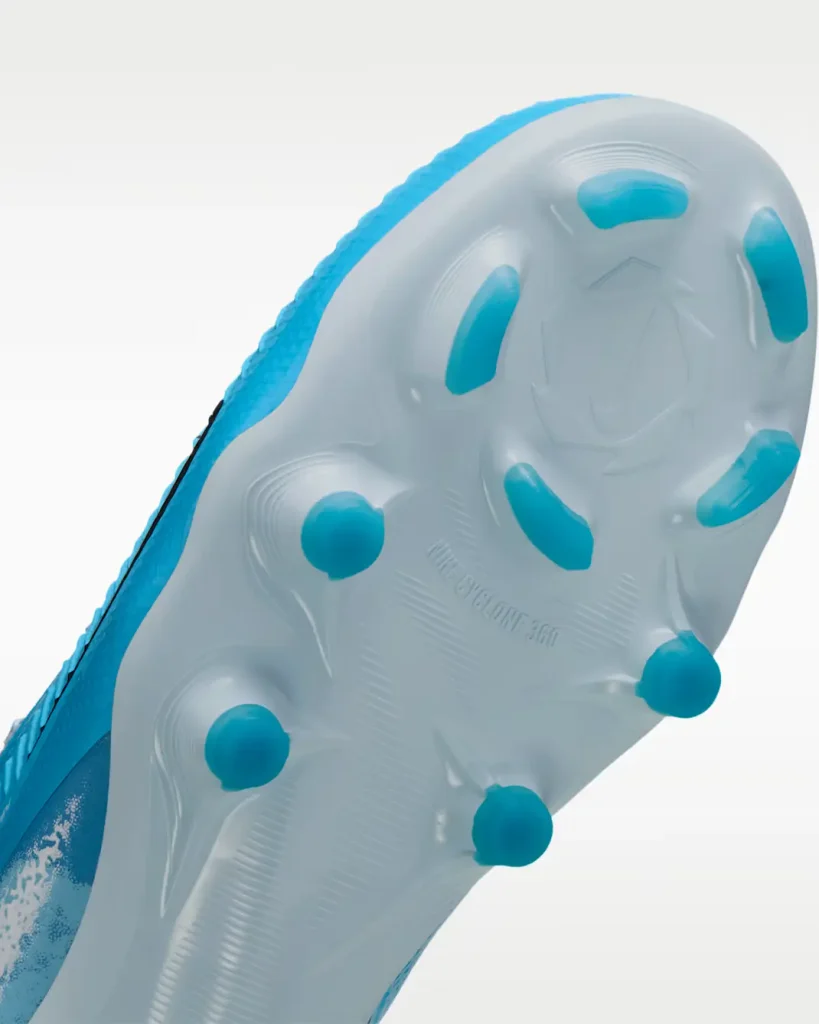
MG (Multi-Ground)
- The Build: A high-volume mix of very short plastic studs.
- The Surface: Dry natural grass, artificial grass, and hard dirt.
- The Verdict: The hybrid compromise. Usually found on lower-tier takedown models, it is a safe, jack-of-all-trades option for players who constantly switch between dry grass and turf, though it lacks the elite bite of a dedicated FG or AG plate.
TF (Turf)
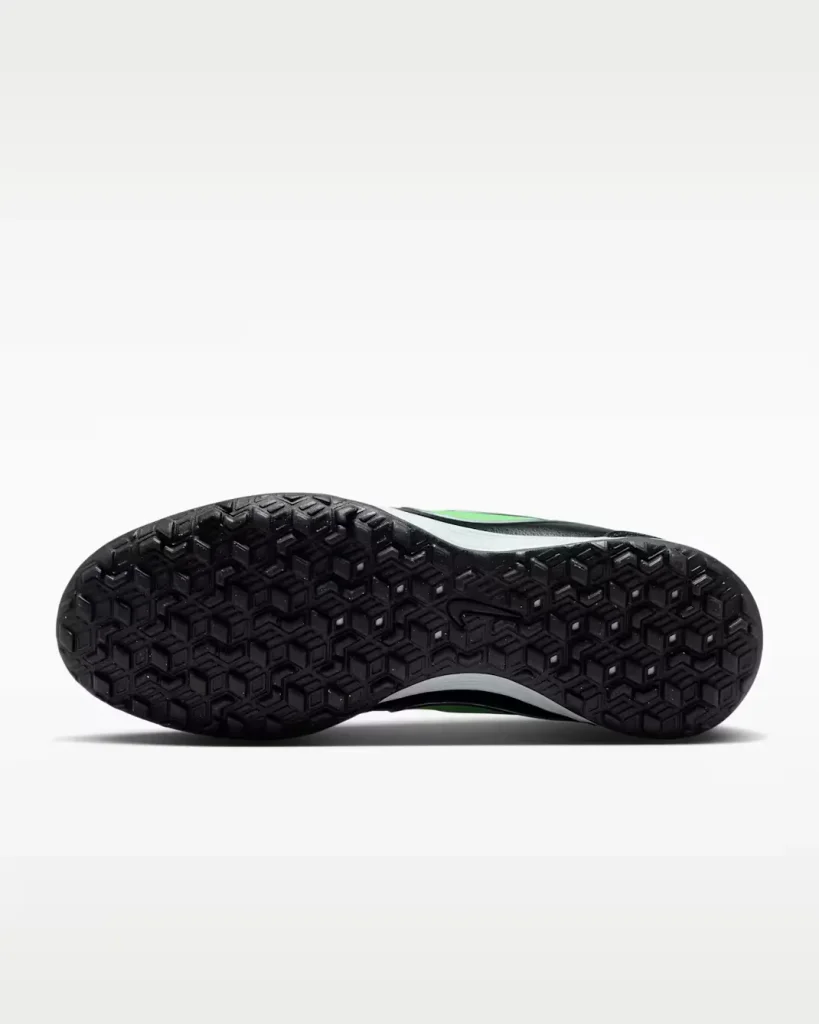
- The Build: A flat rubber outsole covered in dozens of tiny, dimpled rubber nubs.
- The Surface: Old-school sand-based astroturf (2G) or concrete cages.
- The Verdict: Essential for five-a-side cage football. Using plastic studs on these shallow, carpet-like surfaces is a recipe for a rolled ankle.
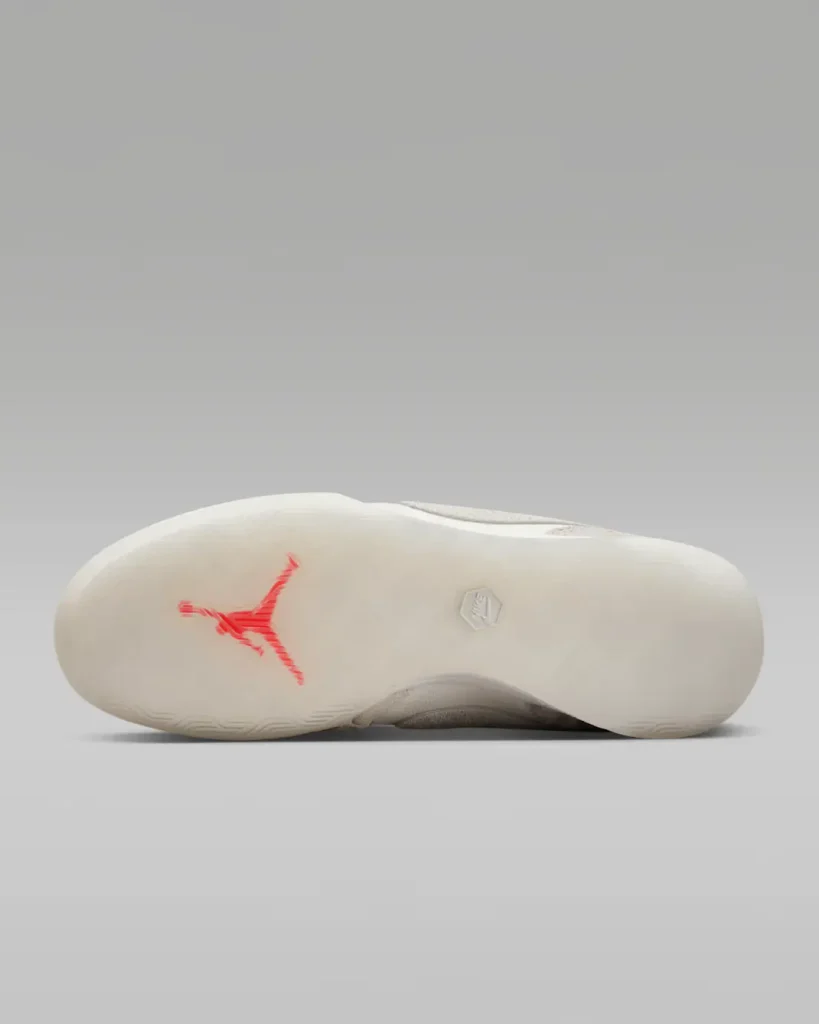
IC (Indoor Court)
- The Build: A completely flat, non-marking rubber outsole, often featuring a herringbone tread pattern.
- The Surface: Hardwood gymnasium floors or smooth indoor futsal courts.
- The Verdict: Operates exactly like a traditional basketball shoe to maximize flat-surface friction.
How to Choose the Right Soleplate
The modern football boot market is deliberately designed to distract you. It wants you to look at the vibrant colorways, the knitted collars, and the superstar endorsements. It wants you to impulse-buy the FG model because it is the one sitting directly in the store window.
As a consumer and an athlete, your job is to ignore the noise. You must buy your boots for the pitch you actually play on 90% of the time, not the pitch you wish you played on. If your Sunday league takes place on a 4G artificial surface, swallowing your pride and buying the AG soleplate is the smartest decision you can make. It might not look as aggressive on the retail shelf, but it will keep your warranty intact, and more importantly, it will keep you off the operating table.
The Soleplate Cheat Sheet
| Acronym | Stands For | The Studs | The Surface |
| SG | Soft Ground | Metal / Aluminum | Wet, muddy natural grass |
| FG | Firm Ground | Plastic (Blades/Chevrons) | Dry natural grass |
| AG | Artificial Grass | Hollow, short conical | 3G / 4G plastic turf |
| MG | Multi-Ground | High-density short plastic | Dry grass / Artificial turf |
| TF | Turf | Dimpled rubber nubs | Sand-based astroturf / Concrete |
| IC | Indoor Court | Flat rubber tread | Hardwood / Futsal courts |